Doodle Dog: Types, Temperament, Grooming, Health and Complete Guide
 Written by Sofia Marin
 Fact checked by Dr. Tomas Ellery, DVM
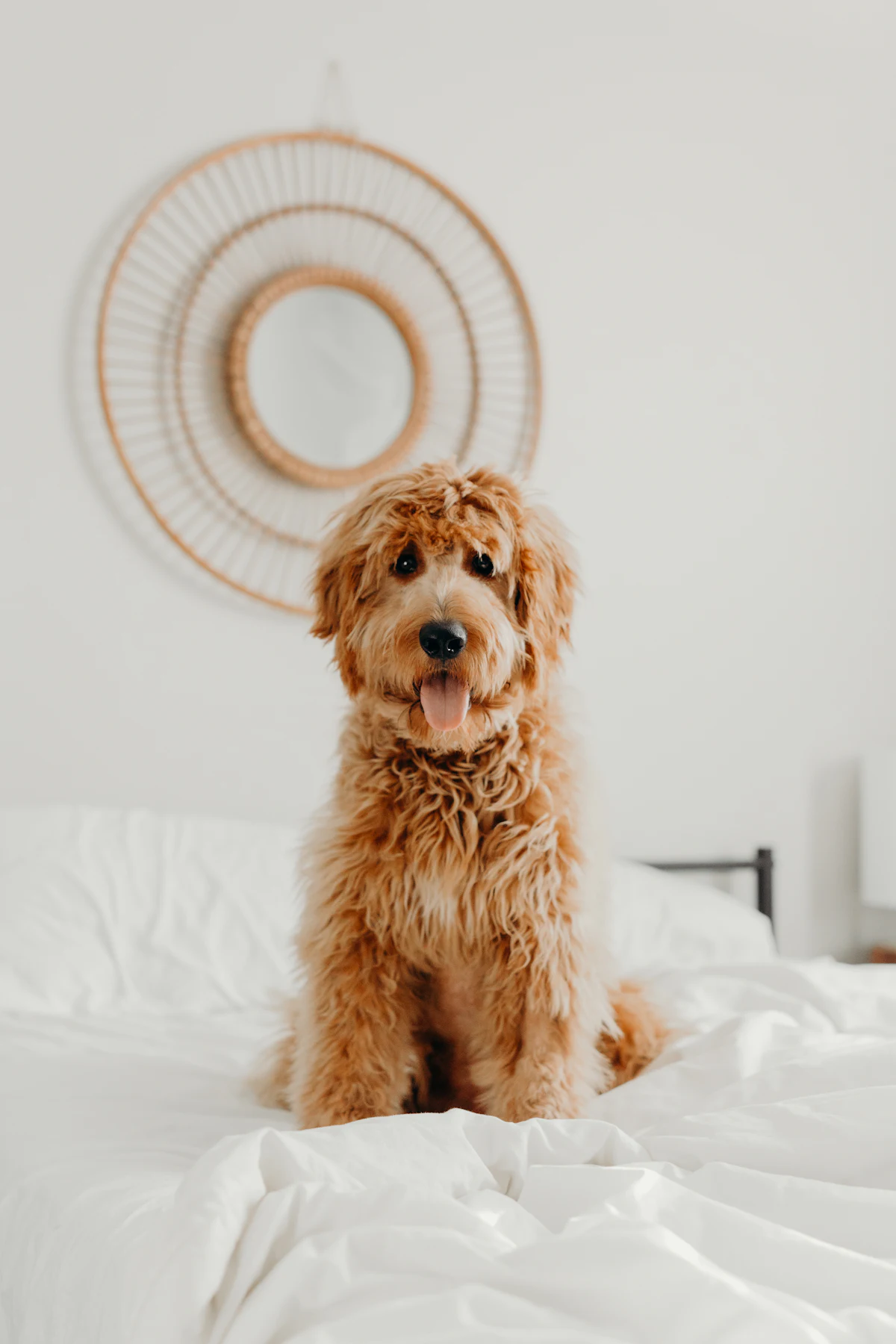
A Doodle dog is a Poodle crossed with another breed such as a Labrador, Golden Retriever or Cocker Spaniel. It is not a single breed, so coat, shedding, size and temperament vary widely, and no Doodle is guaranteed hypoallergenic or low-maintenance.
The information is current and up-to-date in accordance with the latest veterinary research. Learn more »
Doodle dogs have become popular with families looking for an affectionate, intelligent companion with the distinctive curly or wavy appearance often associated with Poodles. But a Doodle dog is not one single breed.
The term generally describes a dog produced by crossing a Poodle with another dog breed, such as a Labrador Retriever, Golden Retriever or Cocker Spaniel.
Because Doodles are crossbred dogs, their size, coat, temperament, exercise requirements and health risks can vary considerably, even between puppies from the same litter.
If you're considering bringing a Doodle dog home, understanding this variability is one of the most important things to know.
Key Takeaways
- A Doodle is a Poodle cross, not a single breed, so size, coat, shedding and temperament vary even within one litter.
- No Doodle is guaranteed low-shedding or hypoallergenic; spend time with the individual dog first.
- Curly and wavy coats mat easily and usually need brushing several times a week plus professional grooming.
- Research both parent breeds and ask for health-test results before buying a puppy.
What Is a Doodle Dog?
A Doodle dog is generally a Poodle crossbreed.
The name of each type usually combines part of the other parent's breed name with Poodle or "Doodle."
Common examples include:
- Labradoodle: Labrador Retriever × Poodle
- Goldendoodle: Golden Retriever × Poodle
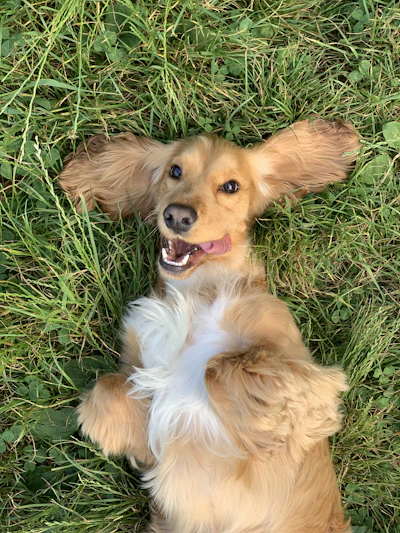
- Cockapoo: Cocker Spaniel × Poodle
- Cavapoo: Cavalier King Charles Spaniel × Poodle
- Bernedoodle: Bernese Mountain Dog × Poodle
- Aussiedoodle: Australian Shepherd × Poodle
- Sheepadoodle: Old English Sheepdog × Poodle
- Maltipoo: Maltese × Poodle
- Schnoodle: Schnauzer × Poodle
A crossbred dog has parents representing different breeds, according to the American Kennel Club's terminology.

Are Doodle Dogs an Official Breed?
"Doodle" is better understood as a general description for a group of Poodle crosses rather than one standardized dog breed.
This distinction matters because established breeds are bred toward defined standards for characteristics such as appearance and structure. Doodle puppies can inherit different combinations of characteristics from either parent.
That means two Goldendoodles, for example, may have noticeably different:
- coat textures
- adult sizes
- shedding levels
- energy levels
- temperaments
- grooming requirements
You should therefore research the specific parent breeds, not simply assume that every Doodle will behave or look the same.
Why Are Doodle Dogs So Popular?
Several characteristics help explain their popularity.
Poodles themselves are intelligent, athletic and people-oriented dogs. Crosses can inherit an appealing mix of traits from both parent breeds.
Owners may be attracted by:
- curly or shaggy coats
- affectionate personalities
- intelligence
- trainability
- playful behaviour
- family companionship
- variety of sizes
However, crossbreeding does not guarantee that a puppy will inherit only the most desirable traits from each parent.
What Does a Doodle Dog Look Like?
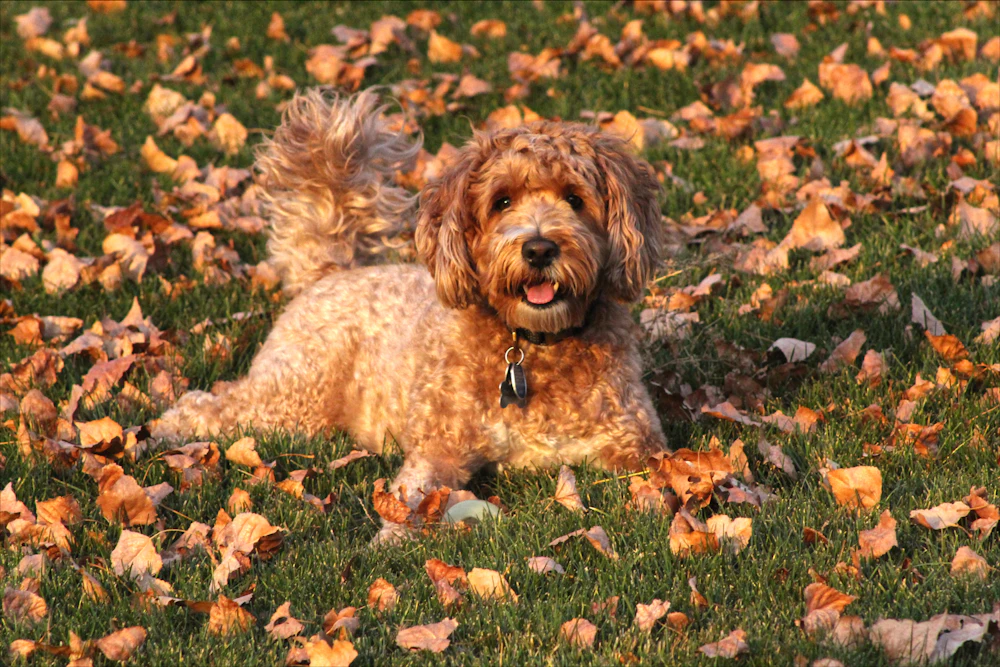
There is no single Doodle appearance.
Many have the fluffy "teddy bear" look associated with modern Doodle dogs, but coats can range from relatively straight to wavy, shaggy or tightly curled.
Common coat colours may include:
- cream
- white
- apricot
- red
- chocolate
- black
- grey
- golden
- parti-coloured
- combinations of several colours
Their appearance depends heavily on the two parent breeds and the particular genes inherited by the puppy.
Even within one litter, coat texture and colour can differ.
Do Doodle Dogs Shed?
Doodle dogs are frequently marketed as low-shedding dogs, but a Doodle is not automatically non-shedding.
Some inherit more of the Poodle-type coat and may shed comparatively little. Others inherit characteristics from the non-Poodle parent and may shed considerably more.
Are Doodle Dogs Hypoallergenic?
No dog can simply be assumed to be completely hypoallergenic.
A Doodle puppy's coat cannot guarantee how an individual person with allergies will react to the dog.
If allergies are an important consideration, spend time around the individual dog before making a long-term commitment and discuss significant allergies with an appropriate medical professional.
Choosing a Doodle solely because someone promises that it will be "100% hypoallergenic" is risky.
Doodle Dog Coat Types
Doodle coats are often informally described as:

Straight Coat
The coat may resemble the non-Poodle parent more strongly and can potentially shed more.
Wavy or Fleece-Like Coat
This is the loose, shaggy appearance many people associate with Doodles.
Curly Coat
A curlier coat may resemble Poodle hair more closely, although this doesn't remove the need for regular maintenance.
Coat appearance alone should not be used as a guarantee of future shedding or allergy suitability.
Do Doodle Dogs Need a Lot of Grooming?
Potentially, yes.
One of the biggest misconceptions surrounding Doodles is that a low-shedding-looking coat also means low maintenance.
In reality, curly and wavy coats can tangle and mat.
A typical Doodle grooming routine may involve:
- brushing several times each week
- checking behind the ears and under the legs for tangles
- coat trimming
- professional grooming when necessary
- nail trimming
- ear checks
- appropriate bathing
- regular dental care
Dogs with longer or curlier coats may require even more frequent attention.

Why Matting Matters
Matted hair isn't simply a cosmetic issue.
Severe tangles can pull against the skin and make normal movement and grooming uncomfortable. Regular brushing is much easier than dealing with a heavily matted coat later.
Anyone considering a Doodle should therefore budget both time and money for grooming.
What Is a Doodle Dog's Temperament Like?
There isn't one universal Doodle temperament.
Personality depends on:
- parent breeds
- genetics
- early socialisation
- training
- environment
- individual personality
Many Poodle crosses are described by owners as affectionate, sociable, energetic and intelligent, but these characteristics should never be guaranteed simply because the dog has "Doodle" in its name.
Consider a Labradoodle as an example. A Labrador Retriever and a Poodle are both active dogs with histories of working closely with people. A puppy may therefore need considerably more physical and mental activity than someone choosing the dog primarily for its cute appearance expects.
An Aussiedoodle may have very different behavioural tendencies because an Australian Shepherd contributes herding genetics.
A Bernedoodle can again present a different combination.
Research both parent breeds before choosing a Doodle.
Are Doodle Dogs Easy to Train?
Many Doodle dogs can respond very well to training, particularly because Poodles are intelligent and capable working dogs.
But intelligence does not automatically mean effortless ownership.
An intelligent dog that lacks enough stimulation can become frustrated or develop unwanted behaviours.
Positive training should begin early and include skills such as:
- recall
- loose-lead walking
- settling calmly
- toilet training
- handling and grooming tolerance
- polite greetings
- being comfortable alone for appropriate periods
- socialisation around different environments
Short, consistent and reward-based sessions are usually more useful than waiting until unwanted habits have already developed.
How Much Exercise Does a Doodle Dog Need?
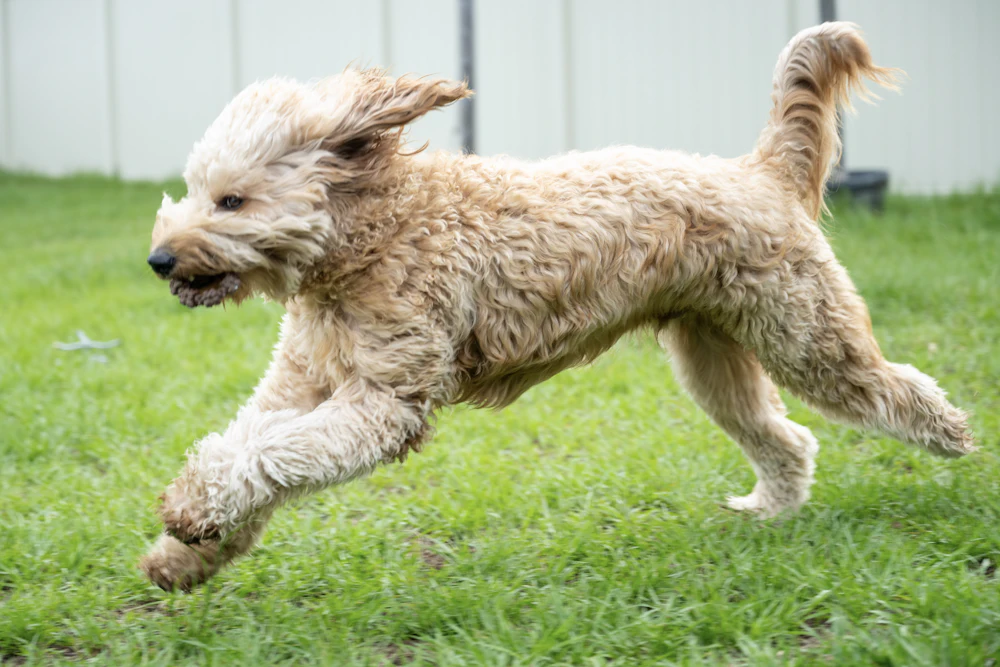
Exercise requirements vary significantly by Doodle type, age and individual dog.
A dog produced from two active breeds may need substantial daily activity.
Exercise shouldn't consist only of walking. Mental stimulation is important too.
Useful activities can include:
- sniffing walks
- retrieving games
- puzzle toys
- obedience training
- scent games
- appropriate play
- swimming where safe
- dog sports
Puppies should not simply be given the same exercise programme as mature adult dogs. Ask your veterinarian for guidance if you're uncertain about exercise appropriate for your dog's age or physical development.
Are Doodle Dogs Good Family Dogs?
A well-bred, appropriately socialised and trained Doodle can make an excellent companion for the right household.
However, whether an individual dog is suitable for children depends on much more than its label.
Consider:
- expected adult size
- energy level
- previous socialisation
- individual temperament
- training
- children's ages and behaviour
- space available
- household routine
Children and dogs should always be appropriately supervised together.
A cute puppy can eventually become a large, energetic adult, so prospective owners should choose based on adult needs rather than puppy appearance alone.
Are Doodle Dogs Good With Other Dogs?
Many can live successfully with other dogs, particularly when appropriately socialised.
Again, there is no universal guarantee.
Some individuals may be highly sociable, while others may be selective, nervous or overly excitable.
Good introductions, training and appropriate social experiences matter far more than assuming every Doodle is automatically friendly.
Common Doodle Dog Health Considerations
Crossbreeding does not make a dog immune to inherited disease.
A Doodle can potentially inherit health conditions associated with either parent breed.
The exact risks therefore depend on the cross.
The other parent breed can introduce its own inherited health risks.
That's why responsible breeding should involve relevant health screening rather than simply breeding two dogs because they look healthy.
Before Buying a Doodle Puppy
Ask the breeder:
- What health tests were performed on both parents?
- Can I see the actual results?
- Why were these two dogs selected for breeding?
- What are the temperaments of both parents?
- Can I meet the mother?
- Where were the puppies raised?
- How have the puppies been socialised?
- What veterinary care have they received?
- What support does the breeder provide after purchase?
Be cautious if a seller focuses heavily on unusual colours, tiny sizes or marketing terms but avoids discussing health testing and temperament.
What Do F1, F1B and F2 Doodle Mean?
You may see labels such as F1 or F1B when researching Doodles.

F1 Doodle
Usually refers to the first generation produced by crossing two different parent breeds, for example:
Golden Retriever × Poodle = F1 Goldendoodle
F1B Doodle
Usually describes an F1 dog bred back to one of the original parent breeds, commonly a Poodle.
For example:
F1 Goldendoodle × Poodle = F1B Goldendoodle
F2 Doodle
Generally refers to breeding two first-generation dogs together.
These labels describe ancestry. They should not be interpreted as guarantees about coat, temperament, shedding, health or allergy suitability.
Popular Types of Doodle Dogs
Goldendoodle
A Golden Retriever and Poodle cross. Goldendoodles are among the most recognisable members of the Doodle group.
Labradoodle
A Labrador Retriever and Poodle cross. Labradoodles are associated with the early development of modern Doodle popularity.
Cockapoo
A Cocker Spaniel and Poodle cross. Cockapoos are often smaller than Labradoodles or Standard Goldendoodles, depending on the parents used.
Cavapoo
A Cavalier King Charles Spaniel and Poodle cross. Their small size has made them popular companion dogs.
Bernedoodle
A Bernese Mountain Dog and Poodle cross. Adult size can vary considerably depending on the Poodle parent.
Aussiedoodle
An Australian Shepherd and Poodle cross. Prospective owners should consider the intelligence, activity and working tendencies found in the parent breeds.
How Big Do Doodle Dogs Get?
There is no standard Doodle dog size.
Poodles themselves come in different sizes, and the other parent breed has an enormous influence on adult height and weight.
A Doodle could therefore be a relatively small companion dog or a large dog requiring considerably more space.
Do not rely entirely on marketing labels such as:
- mini
- medium
- standard
- micro
- petite
Ask for the actual size and weight of the parents and discuss realistic adult-size expectations with the breeder.
Even then, an exact adult size cannot always be guaranteed.
How Long Do Doodle Dogs Live?
There isn't one reliable lifespan for all Doodle dogs because "Doodle" covers many different crosses.
Longevity depends on factors such as:
- parent breeds
- genetics
- adult size
- health
- veterinary care
- diet
- exercise
- environment
Rather than relying on a universal "Doodle lifespan," research the health and typical longevity of the specific cross you're considering.
How Much Does a Doodle Dog Cost?
The purchase price is only one part of Doodle ownership.
Lifetime expenses may include:
- food
- veterinary care
- vaccinations
- parasite prevention
- insurance
- grooming
- training
- toys and enrichment
- bedding
- leads and harnesses
- boarding or pet sitting
- emergency veterinary treatment
Professional grooming can become a significant recurring expense for dogs with coats requiring clipping and careful maintenance.
Always calculate ongoing costs before choosing a puppy.
Pros and Cons of Doodle Dogs
Potential advantages
- Often intelligent
- Many are affectionate companions
- Wide variety of sizes
- Can respond well to training
- Many appealing coat types
- Different crosses suit different households
Potential challenges
- Coat can require extensive grooming
- Shedding cannot always be predicted
- Adult size may be less predictable
- Exercise needs may be significant
- Temperament can vary
- Health screening of both parent breeds is important
Is a Doodle Dog Right for You?
A Doodle may suit you if you're prepared to provide:
- regular grooming
- ongoing training
- adequate exercise
- mental stimulation
- veterinary care
- companionship
- long-term financial commitment
A Doodle may be less suitable if you're specifically looking for a dog requiring almost no grooming, guaranteed not to shed or guaranteed to have a particular temperament.
Choose the individual dog based on its expected needs rather than trends or appearance.
Questions to Ask Before Getting a Doodle Dog
Before making a decision, ask yourself:
- Which specific Doodle cross suits my lifestyle?
- How large could the dog become?
- Can I meet its exercise requirements?
- Can I maintain its coat?
- Can I afford regular professional grooming if necessary?
- Have both parent dogs received appropriate health screening?
- Do I have enough time for training and socialisation?
- Can I afford routine and unexpected veterinary bills?
- Is my household suitable for an active dog?
- Am I prepared to care for this dog throughout its life?
Final Thoughts
The Doodle dog has become one of the most recognisable types of companion dog, but the name covers a remarkably diverse group of Poodle crossbreeds.
Their fluffy appearance, intelligence and potential for affectionate personalities make them appealing, but prospective owners should also understand the grooming demands, exercise requirements, health considerations and unpredictability associated with crossbreeding.
The most important question isn't simply, "Should I get a Doodle?"
It's:
"Does this particular dog's expected size, temperament, health background and daily needs fit my lifestyle?"
Research both parent breeds, look for responsible health testing, meet the dogs where possible and choose health and temperament ahead of appearance or trends.
Frequently Asked Questions
?What breeds make a Doodle dog?
A Doodle dog usually has a Poodle somewhere in its ancestry combined with another breed. Popular examples include Labradoodles, Goldendoodles, Cockapoos, Cavapoos and Bernedoodles.
?Are Doodle dogs purebred?
Most dogs commonly described as Doodles are crossbred dogs rather than a single standardized pure breed.
?Do Doodle dogs shed?
Some shed relatively little, while others shed noticeably. Coat inheritance varies, so low shedding cannot be guaranteed simply because a dog is a Doodle.
?Are Doodle dogs hypoallergenic?
A Doodle should not automatically be considered hypoallergenic. Individual dogs produce allergens, and people's reactions differ.
?Do Doodle dogs need grooming?
Yes. Many require frequent brushing and regular coat maintenance. Poodle crosses can be particularly prone to tangling and matting.
?Are Doodle dogs smart?
Many inherit high intelligence from their Poodle parent and potentially from the other parent breed. However, individual behaviour and trainability vary.
?Are Doodle dogs good for first-time owners?
Some can be excellent companions for committed first-time owners, but grooming, training and exercise requirements can be substantial. Research the particular cross rather than assuming all Doodles are beginner-friendly.
Help us do better!
Was this article helpful and relevant?
Thanks for your feedback!
About Sofia Marin
Sofia Marin is VetsExplained's senior editor. She has edited pet and consumer titles for fifteen years and is responsible for the site's editorial standards and breed coverage.
View all posts by Sofia Marin →