Dog Litter and Litter Boxes for Dogs: Does It Work and How To Start
 Written by Lena Fischer, CPDT-KA
 Fact checked by Dr. Tomas Ellery, DVM
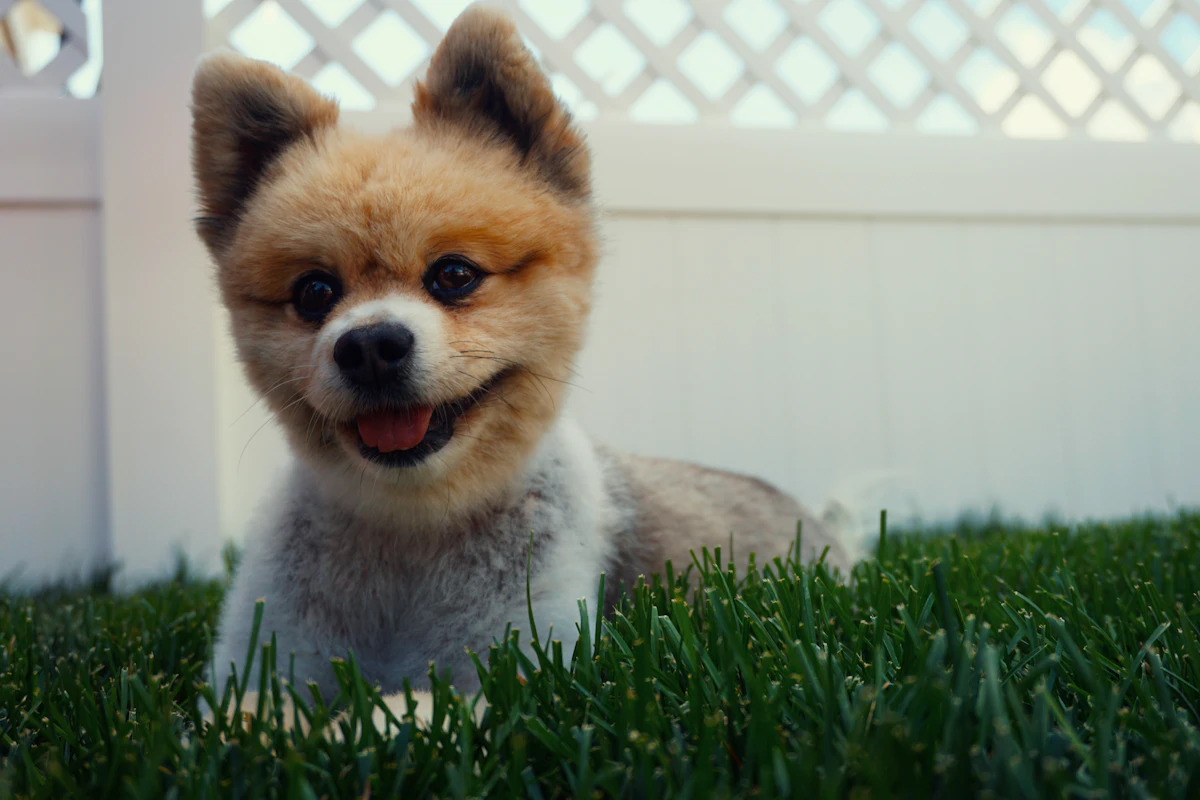
Dog litter is an absorbent material, usually paper pellets, used in a shallow tray so a dog can toilet indoors. It suits small dogs, apartment living, puppies with limited outdoor access and seniors who struggle with stairs. It works best with reward-based training and should add to outdoor time, not replace it.
The information is current and up-to-date in accordance with the latest veterinary research. Learn more »
Cats are not the only pets that can learn a tray. Dog litter gives a dog somewhere acceptable to go when the outdoors is too far away, too many floors down or too hard on aging joints.
It is not a shortcut, though. A dog learns this the same way it learns any toilet routine: through repetition, good timing and rewards.
This guide helps you decide whether a litter setup makes sense for your household, then covers the equipment and a training plan that also works for an older dog changing habits late in life.
Key Takeaways
- Best fit: small dogs, puppies with limited outdoor access, high-rise homes and seniors with mobility problems.
- Size is the main limit. A big dog produces more urine than a tray of pellets handles comfortably, so turf or a large washable setup usually makes more sense.
- Choose a liner that is safe if chewed. Some dogs will mouth or eat whatever is in the tray.
- Keep the box in one quiet place. If it has to move, shift it a few inches a day.
- Never punish accidents. Go back to closer supervision instead.
- New accidents in a house-trained dog deserve a vet check. A litter box can hide a medical problem.
1What Is Dog Litter?
The term covers any loose absorbent material placed in a low-sided tray for a dog to use as a toilet. The usual product is pelleted recycled paper.
People also use "litter box for dogs" more loosely. In everyday use it can mean a tray lined with potty pads, a frame topped with artificial turf, or a real grass patch. All of them do the same job, so choose the surface your dog is most likely to accept and you are most likely to keep clean.
2Is a Litter Box Right for Your Dog?
A tray tends to make sense in these situations:
- Apartment or high-rise living. The AKC points out that the elevator ride can outlast a young puppy's bladder.
- Puppies not yet going out often. Those still finishing their vaccinations are one example, and your vet can advise on when outdoor outings are appropriate.
- Owners with limited mobility. Frequent trips outside may simply not be realistic.
- Older dogs. Stairs, arthritis, weaker bladder control and cognitive decline can all make it hard to get outside in time. Dogs with hip dysplasia may also appreciate a toilet spot with no steps involved.
It is usually a weaker fit in these cases:
- Large and giant dogs. Volume alone makes loose litter awkward, and most commercial trays are built for small bodies.
- Dogs that eat non-food items. Loose pellets are a poor match for a determined chewer.
- Households hoping to skip walks. The AKC is clear that indoor toileting does not replace exercise, play, socializing or mental stimulation.
If you are still deciding on a dog, these questions to answer before bringing a dog home can help you think through daily routines like this one.
3Choosing the Box
The right tray is one your dog can walk into without effort. Look for these features:
- Low sides or a cut-out doorway. A tiny puppy or a stiff senior should be able to step in without climbing. A shallow bin with an entry cut into one side works well.
- Enough room to turn. Your dog should fit fully inside, circle and squat without hanging over the edge. Measure your dog from nose to tail base and allow for growth if you have a puppy.
- No enclosed lid to start. An open tray is easier to enter, and it lets you see what is happening and reward at the right moment.
- Easy-to-wash material. Smooth plastic is simple to scrub. Rough or scratched surfaces are harder to get clean.
A large cat litter tray can do the job for a very small dog, provided the sides are low enough.
We have not tested any litter or tray for this guide, so we are not naming a winner. Judge products on the features above.
4Choosing the Liner
There is no single best material. Dogs often develop a surface preference, and if one option gets refused, trying another is reasonable.
- Paper pellets: Absorbent and the most common choice. Pick one labeled nontoxic and watch for dogs that carry or chew the pieces.
- Potty pads: Cheap and easy to swap. Some dogs shred them, so they suit non-chewers best.
- Artificial turf: A familiar feel for dogs that already go on grass, and easier for a larger dog. It needs regular washing.
- Real grass or sod: The closest match to outdoors, but it wears out and must be replaced.
- Newspaper: Inexpensive, but it soaks through and controls odor poorly.
Whichever you choose, safety comes first. A liner should do no harm if your dog chews it. If your dog swallows a quantity of litter, call your vet for advice. Do not try to make your dog vomit unless told to; our guide to when vomiting should and should not be induced explains why.
5Where To Put It
Location often decides whether the training works.
- Pick a quiet spot with little foot traffic, away from your dog's bed and bowls.
- Choose hard flooring such as tile or linoleum, since misses will happen.
- Make sure a senior can reach it without steps or slippery patches.
- Leave it in place once you start. If you need to move it later, shift it just a few inches each day.
6How To Litter Train a Dog
The approach below combines the methods the AKC recommends for puppies and older dogs. Expect a learning curve of weeks rather than days, and let your dog set the pace.
Step 1: Make the box a good place
Put the empty or lightly filled tray down and reward your dog for approaching it. Then reward stepping in, and then stepping back out. Keep it fun and short, and do not push or lift your dog in.
Step 2: Add a familiar scent
Blot a little of your dog's urine with a paper towel during a walk or after an accident, then tuck it into the tray. Scent gives a clear hint about what the spot is for.
Step 3: Go at likely times
Lead your dog to the box when a toilet break is likely: after waking, after eating, after play, or when you notice sniffing and circling. Stand quietly and wait.
Step 4: Name it and reward it
Just as your dog starts to go, say a cue such as "Go potty." As soon as your dog finishes, give a treat and praise while still next to the tray. Delayed rewards teach far less.
Step 5: Limit freedom until it is reliable
Keep your dog within sight, or in a small safe area, between toilet breaks. Most accidents happen when a learner has too much house and too little supervision.
Step 6: Handle accidents calmly
Clean up without comment and never punish your dog. If misses pile up, go back a step and increase supervision.
7Teaching a Senior Dog
An older dog has years of outdoor habits, so it helps to bring the outdoors inside. Set up the surface your dog already knows, such as a piece of sod or a patio tile. Another option is to put a pad at the usual outdoor spot first, then bring it indoors once your dog uses it.
Teaching the toilet cue outside first also helps, because you can then ask for the same behavior at the indoor station.
8Keeping It Clean
A clean tray is more pleasant for everyone, and the smell can spread quickly in a small home.
- Remove solids as soon as you can.
- Scoop out wet litter daily and top up with fresh.
- Empty and wash the tray regularly with soap and water, then dry it before refilling.
- Wash your hands after handling waste. Worm eggs and larvae can be passed in feces, which is one more reason to check for worms in dog poop and follow your vet's parasite plan.
9When Accidents Point to a Health Problem
A dog that was doing well and suddenly stops using the tray may not have a training problem. Book a vet visit if you see any of these:
- Frequent small puddles or straining
- Blood in the urine or stool
- Drinking far more than usual; here is how much water a dog normally needs
- Repeated diarrhea
- Pain, reluctance to step into the tray, or confusion in a senior
Go to a vet or emergency clinic right away if your dog is straining and passing little or no urine, as a blocked urinary tract is an emergency.
10Moving From Indoors to Outdoors
Many puppies only need a tray for a while. When yours can hold on for longer, take a piece of the used liner outside to the chosen spot and use the same cue. Work on one location at a time so the message stays clear.
Sources
- American Kennel Club: Indoor Potty Training for Puppies
- American Kennel Club: Why Senior Dogs Might Benefit From Indoor Potty Training
- VCA Animal Hospitals: Bladder Stones in Dogs
- VCA Animal Hospitals: Hookworm Infection in Dogs
Frequently Asked Questions
?Can dogs use cat litter?
A cat litter tray can work for a very small dog, and the AKC lists cat litter among the possible liners. The key question is whether your dog tries to eat it. Paper pellets or a washable surface are often easier to manage, and your vet should hear about any significant amount swallowed.
?Do litter boxes for dogs work for big dogs?
They can, but loose litter rarely suits them. A large dog can saturate a small tray in one go. A big turf station or a real grass patch handles the volume better.
?Is dog litter better than pee pads?
Neither is always better. The AKC describes a litter box as the cleanest and most hygienic of the common indoor options. Pads are cheaper and simpler, but they appeal to dogs that like to shred.
?Can dogs be trained to poop in a litter box as well as pee?
Yes, the same process applies. Watch for your dog's usual signs, and guide them to the box at the times they tend to poop.
?How long does litter training take?
It varies with age, breed, past habits and how consistent the routine is. Expect weeks, and do not give your dog full run of the house until accidents have become rare.
?Should I still walk a dog that uses a litter box?
Yes. A tray solves the toilet question only. Dogs still need walks, play, social contact and mental stimulation if their health allows it.
Help us do better!
Was this article helpful and relevant?
Thanks for your feedback!
About Lena Fischer
Lena Fischer is a certified professional dog trainer and behavior consultant who has worked with family dogs, shelter dogs and working dogs for over a decade. She uses reward-based methods only and writes the training and behavior guides on VetsExplained.
View all posts by Lena Fischer →More from Dog Basics



You Might Like
 Dog BreedsLabradoodle Dog Breed Guide: Temperament, Size, Grooming, Health and Care
 Dog BehaviorWhy Does My Dog Eat Grass? A Vet Separates Myth From Evidence
 Dog BreedsBernedoodle Dog Breed Guide: Temperament, Size, Coat, Health and Cost
 Dog BreedsCavapoo Dog Breed Guide: Size, Temperament, Health, Grooming and Cost