Dog Treats for Small Dogs: How To Choose Safe, Low-Calorie Options
 Written by Dr. Priya Natarajan, DVM, DACVN
 Edited by Sofia Marin
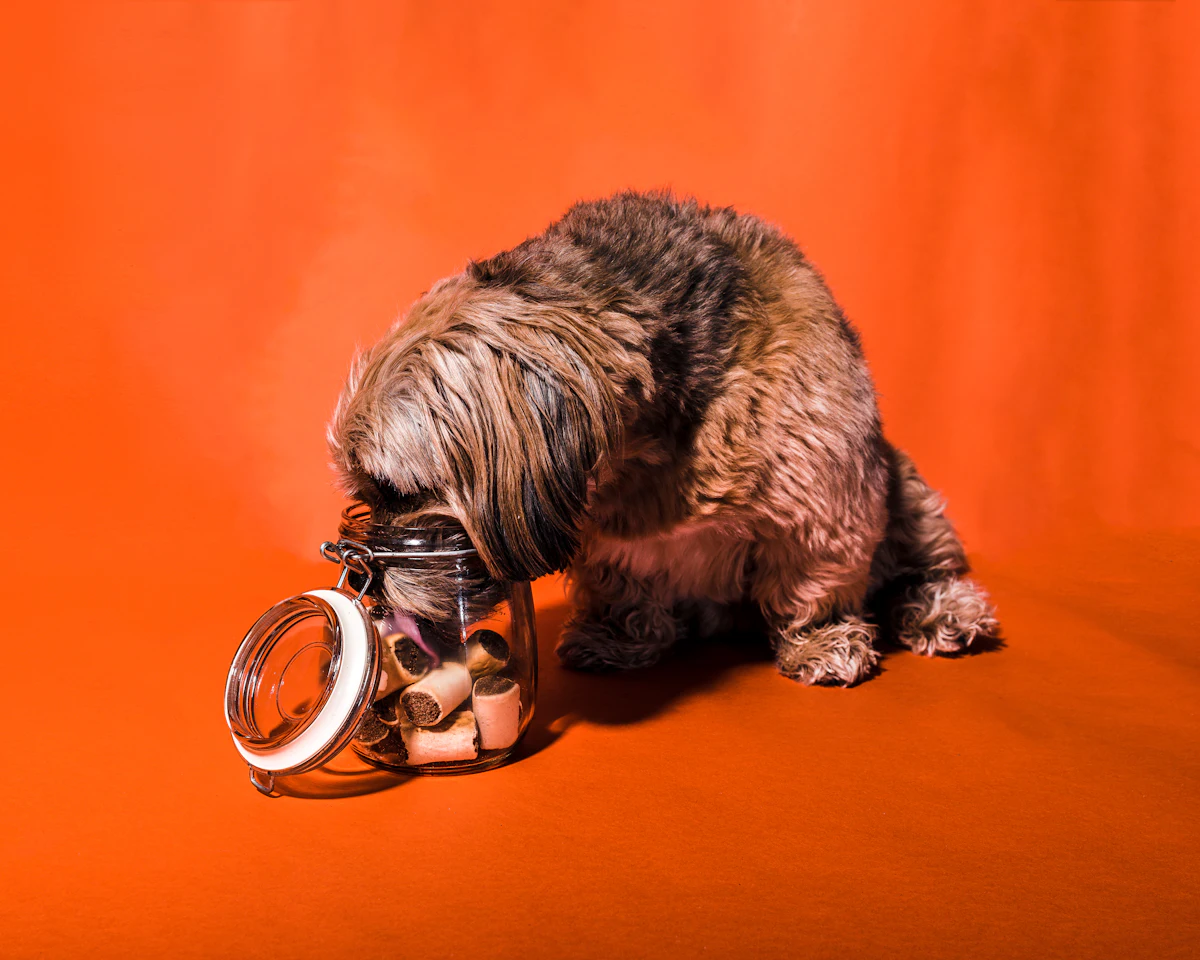
The best dog treats for small dogs are small, soft or easily broken pieces with a known calorie count, ideally under 10 calories each. Treats should stay below 10 percent of daily calories. Avoid real bone treats and anything containing xylitol, and ask your vet first if your dog has a medical condition.
Every detail in this story has been checked with the people involved before publication. Learn more »
Dog treats for small dogs need to be judged differently from treats for bigger dogs. A biscuit that barely registers for a Labrador can use up a large part of a tiny dog's treat allowance in a single bite.
The good news is that choosing well is mostly simple math and some basic safety checks. Size, calories and ingredients matter more than the claims on the front of the package.
This is a research-based guide. We did no hands-on testing, and we are not ranking brands. Use it to judge any treat you find, and check with your vet if your dog has a health condition.
Key Takeaways
- Follow the 10 percent rule. VCA, Merck and the World Small Animal Veterinary Association all advise keeping treats at or below about 10 percent of daily calories.
- Look for very small pieces. VCA suggests low-calorie treats of under 10 calories per piece for older dogs, and it is a useful target for most small dogs.
- Use your dog's regular food if it works. Kibble from the daily portion is a treat with no added calories.
- Skip real bone treats. The FDA has received reports of choking, obstruction and deaths linked to them.
- Never give products containing xylitol. It is a veterinary emergency in dogs.
1How Many Treats Can a Small Dog Have?
Start with your dog's daily calorie target from your vet, then divide by 10. Some simple examples:
- A dog eating 200 kcal per day has about 20 kcal for treats.
- A dog eating 300 kcal per day has about 30 kcal for treats.
- A dog eating 400 kcal per day has about 40 kcal for treats.
These are illustrations, not feeding recommendations. Merck notes that individual dogs of the same weight can differ in energy needs by as much as 30 percent, so body condition is the final check.
To see how quickly a treat can use up that budget, VCA cites a large Milk-Bone at about 85 calories. That would be over four times the treat budget of the 200 kcal dog in the first example.
Remember that the budget includes everything extra, such as chews, training rewards and bites from your plate.
2What To Look For in Small Dog Treats
Run any product through this short checklist.
- A listed calorie count. VCA advises checking package labels for this. If you cannot find one, ask the manufacturer or choose a treat that shows it.
- A suitable size. Pick a piece your dog can chew comfortably, or one you can break into smaller bits.
- A suitable texture. Soft treats or ones that break easily are often more practical for small mouths. Very small dogs, older dogs and those with dental problems may struggle with hard pieces.
- Readable ingredients. This is especially important for dogs with known food allergies.
- No xylitol. Check this on any human food you use as a treat too.
- Realistic label claims. VCA notes that treats labeled "light" or "lower calorie" are not necessarily much lower in calories, so compare the actual numbers.
Most treats are not complete and balanced, Merck explains, which is one reason they should not replace meals. For help with the wording on packaging, see our guide to reading a dog food label.
3Good Types of Treats for Small Dogs
These product types and foods are examples rather than ranked picks.
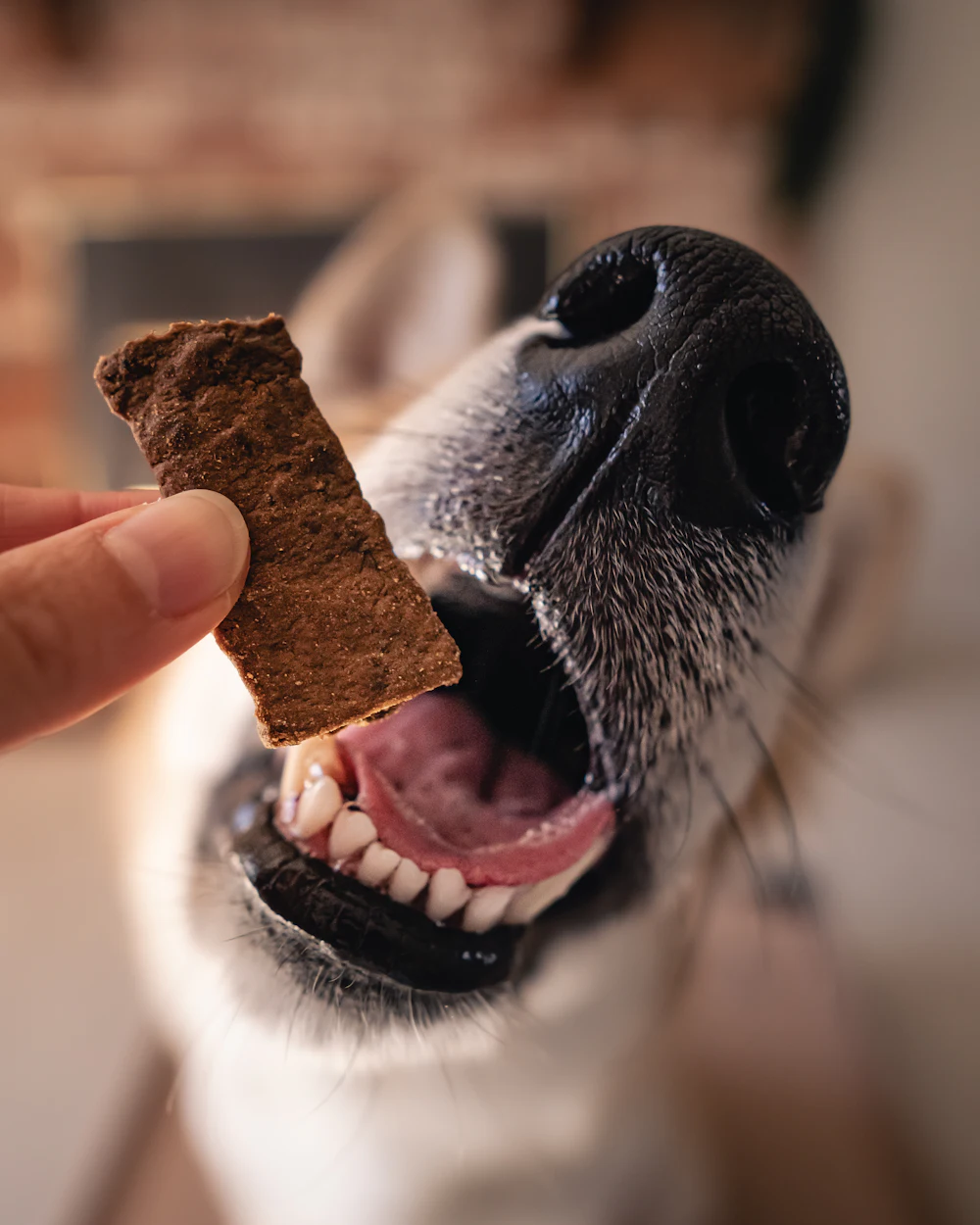
- Regular kibble. VCA suggests this for food-motivated dogs. Take it from the day's measured portion.
- Small training treats. They are designed for frequent use, but calories per piece vary, so check the label.
- Nonstarchy vegetables. Tufts University's nutrition team describes these as good low-calorie treats. Green beans and carrots are common choices. Cut them small and offer new foods gradually.
- Small pieces of fruit. VCA lists small servings as an option. Avoid foods that are toxic to dogs, including grapes and raisins.
- Stuffed toys or lick mats with part of a meal. VCA recommends these and snuffle mats as enrichment that does not require extra treats.
Introduce one new treat at a time, starting with a small piece, especially if your dog has a sensitive stomach.
4Treats To Avoid or Use With Care
- Real bone treats. The FDA reported about 68 illness reports linked to bone treats between 2010 and 2017, including choking, obstruction, mouth injuries and deaths.
- Raw, freeze-dried raw and dehydrated raw treats. VCA warns about bacterial contamination, which can affect the dog, other pets and people in the household.
- High-fat treats for at-risk dogs. VCA specifically advises avoiding these in chronic pancreatitis. Our pancreatitis guide explains why fat can matter.
- Poultry jerky from unverified sources. The FDA maintains an import alert on certain jerky-type treats after testing found drug residues. Be cautious when you cannot identify where a product came from.
Check with your vet before giving treats if your dog has a medical condition, follows a prescription diet or has food allergies. Some prescription diets work only if fed as directed, so ask whether a compatible treat is available.
5High Protein Dog Treats: Are They Better?
High protein is not automatically better. The sources we reviewed do not set a standard definition for a high protein treat, and because treats are a small part of the diet, the overall food matters much more.
Treats based on a single meat can be practical for training, since many dogs find them highly rewarding. Still, compare calories, because a high-protein treat may also be high in fat.
Ask your vet first if your dog has kidney or liver disease. VCA says protein and phosphorus should be reassessed when kidney function declines, and Merck notes that protein restriction may be part of medical management for some dogs with a liver shunt.
6How Dog Treats for Large Dogs Differ
Large dogs have larger calorie budgets, but the same 10 percent rule applies. A dog eating 1,200 kcal per day, for example, would have about 120 kcal for treats. Large dogs also need treats suited to their size, because small hard pieces can be swallowed without chewing.
If your household has both sizes, keep the treats and feeding areas separate. A chew that suits a big dog can be a choking risk or an excessive calorie load for a small one. If treats trigger tension between dogs, read our guide to resource guarding.
7Training Without Overdoing It
Small dogs can still enjoy plenty of reward-based training. Try these approaches:
- Cut treats into tiny pieces. Most dogs care about getting a reward more than its size.
- Keep very high-value treats for hard exercises or distractions.
- Use part of your dog's daily kibble during short sessions.
- Reduce the meal slightly on heavy training days, using your vet's guidance.
Toy and small dogs can gain weight quickly on extra calories. If your dog's waist is disappearing, reduce treats first and ask your vet for a weight check.
8When To Call the Vet
Get urgent help if your dog:
- Is choking or struggling to breathe
- Ate anything containing xylitol, even if it seems fine
- Vomits repeatedly, seems painful or has a swollen belly after a chew
- Has bloody stool or stops passing stool after eating a treat or chew
Merck explains that xylitol can cause low blood sugar and that some dogs develop liver failure. Because low blood sugar can be delayed, dogs that eat it generally need veterinary monitoring.
Contact your vet during normal hours if a new treat causes mild diarrhea or itching, and stop that treat until you have spoken with them.
Sources
- VCA Animal Hospitals, Dog Treats
- VCA Animal Hospitals, Feeding Mature and Senior Dogs
- Merck Veterinary Manual, Feeding Practices in Small Animals
- Merck Veterinary Manual, Xylitol Toxicosis in Dogs
- Merck Veterinary Manual, Congenital and Inherited Anomalies of the Liver in Animals
- World Small Animal Veterinary Association, Feeding Treats to Your Dog
- Tufts University Cummings School, Petfoodology, Treat Options for Dogs and Cats
- US Food and Drug Administration, No Bones (or Bone Treats) About It; Import Alert 72-07
Frequently Asked Questions
?What are the healthiest dog treats for small dogs?
Look for small pieces with a known calorie count and suitable ingredients. Kibble from the daily portion and nonstarchy vegetables such as green beans are simple low-calorie choices. Your dog's health conditions may change the best option.
?How many treats can a small dog have a day?
It depends on the calories in the treat and your dog's daily needs. Keep the total under 10 percent of daily calories. For a dog eating 200 kcal, that means about 20 kcal.
?Are carrots good treats for small dogs?
They are a common low-calorie option, and VCA includes them in its list for older dogs. Cut them small to reduce choking risk, because a large raw piece can be hard for a small dog to manage.
?Are high protein dog treats better?
Not automatically. They can be useful as a tasty training reward, but they may be high in calories or fat. Ask your vet first if your dog has kidney or liver disease.
?Are bones or hard chews safe for small dogs?
The FDA warns against real bone treats because of choking, obstruction and other injuries. Ask your vet for suggestions on other chews, and supervise your dog with any chew you do choose.
?Can puppies eat small dog treats?
Check that the label says the treat is suitable for puppies, and keep pieces very small. Puppies need most of their calories from complete puppy food, so the 10 percent limit still matters.
Help us do better!
Was this article helpful and relevant?
Thanks for your feedback!
About Dr. Priya Natarajan
Dr. Priya Natarajan is a board-certified veterinary nutritionist who formulates diets for both commercial brands and individual patients. She covers nutrition, feeding and food-label topics on VetsExplained.
View all posts by Dr. Priya Natarajan →More from Food



You Might Like
 Dog BreedsLabradoodle Dog Breed Guide: Temperament, Size, Grooming, Health and Care
 Dog BehaviorWhy Does My Dog Eat Grass? A Vet Separates Myth From Evidence
 Dog BreedsBernedoodle Dog Breed Guide: Temperament, Size, Coat, Health and Cost
 Dog BreedsCavapoo Dog Breed Guide: Size, Temperament, Health, Grooming and Cost