Hip Dysplasia in Siberian Huskies: Risk, Signs, Screening and Care
 Written by Dr. Hannah Reyes, BVSc MRCVS
 Fact checked by Dr. Priya Natarajan, DVM, DACVN
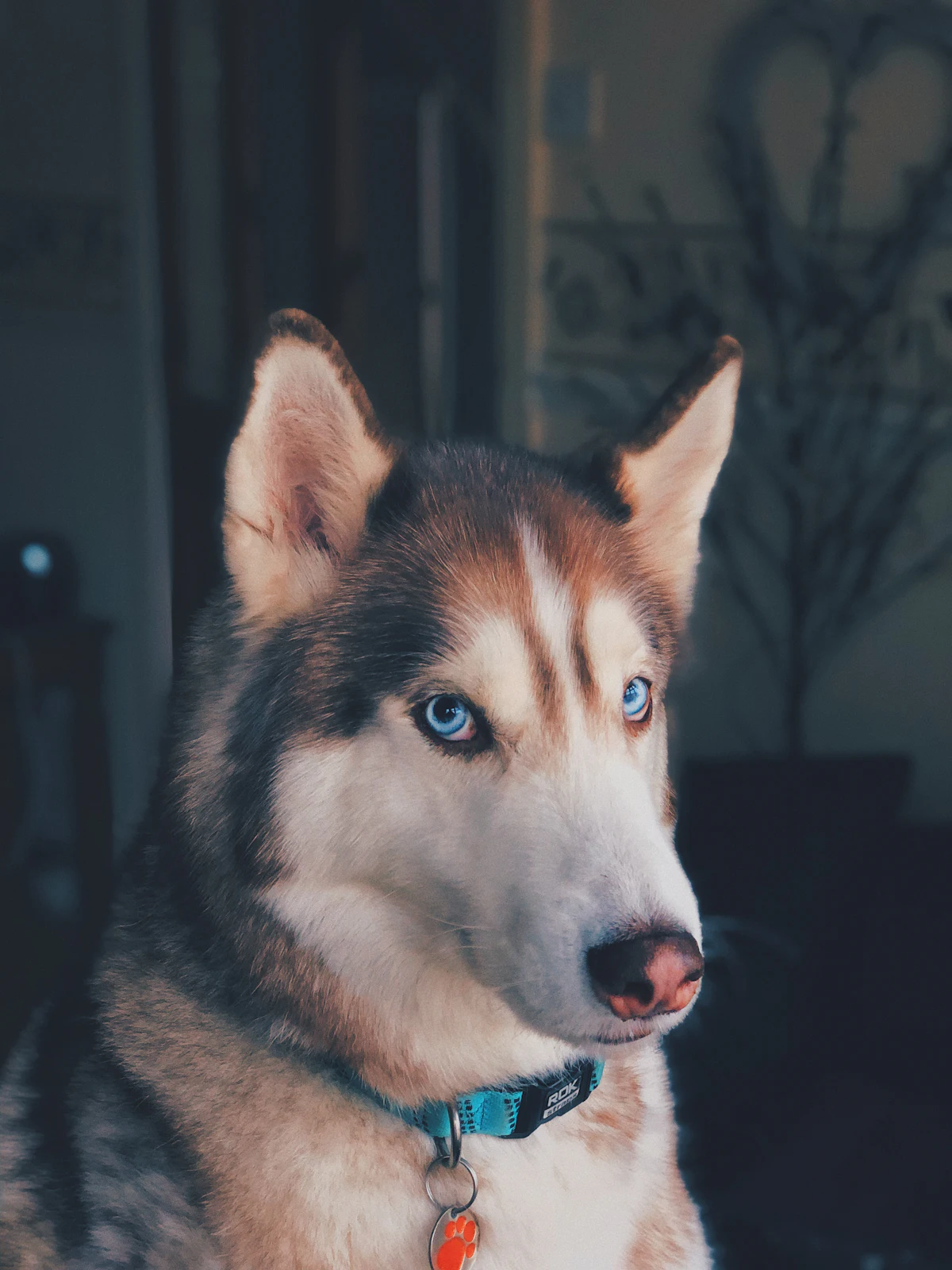
Hip dysplasia is less common in Siberian Huskies than in many large breeds, with published screening studies reporting roughly 2% to 6% of screened dogs affected, but it is not rare enough to ignore. Watch for bunny hopping, stiffness after exercise and reluctance to jump, keep your Husky lean, and ask breeders for OFA or PennHIP hip results on both parents.
The information is current and up-to-date in accordance with the latest veterinary research. Learn more »
Siberian Huskies have a reputation for tough, athletic bodies, and compared with many large breeds their hips really are healthier on average. That is exactly why hip dysplasia in a Husky is often missed. Owners assume the breed is "safe", so a dog that bunny hops or hesitates at the car door gets put down to attitude rather than pain. This guide gives you the actual numbers, the signs worth acting on and what to do if your Husky is affected.
Key Takeaways
- Risk is lower than in many breeds, not zero. Published screening data put the share of dysplastic Huskies at roughly 2% to 6%, depending on the registry, country and years studied.
- Screening results are not the whole population. Hip films are submitted voluntarily, so true rates in pet Huskies may be higher than registry figures.
- Signs are easy to misread. Bunny hopping, stiffness after exercise and a reluctance to jump or climb can look like laziness in a stoic breed.
- Screening starts early. OFA accepts preliminary hip films from 4 months, and a final registry result needs films at 24 months or older.
- Weight and surface matter. Keeping a Husky lean and limiting hard-surface exercise are the first treatments for mild to moderate cases.
1How common is hip dysplasia in Siberian Huskies?
Huskies sit near the bottom of the risk list for hip dysplasia, but the figures depend heavily on where and when they were measured.
- The Siberian Husky Club of America reports that the Orthopedic Foundation for Animals (OFA) evaluated 12,087 Huskies between 1994 and 1998, and about 2.2% were dysplastic.
- A French study of ten breeds screened between 1997 and 2017 found Huskies had the lowest prevalence of the group at about 5%, compared with 51.9% in the Cane Corso. In that same study, the Husky rate rose from 2.9% to 4.3% to 6% across three seven-year periods, and the first-to-last increase was statistically significant.
Two cautions go with these numbers. First, hip screening is voluntary, and owners of dogs with obviously poor hips often never submit films, so registry rates are probably an underestimate. Second, a lower risk breed can still produce dysplastic dogs, especially from parents whose hips were never checked.
If you want the general picture first, read our guide to hip dysplasia in dogs.
2What causes it?
Hip dysplasia is a developmental problem of the hip joint that leads to a loose joint and, over time, osteoarthritis. Heredity is a major factor, but growth rate, nutrition and exercise also influence whether it develops and how severe it becomes. That mix is why two Husky littermates can have very different hips.
3Signs of hip dysplasia in a Husky
The Merck Veterinary Manual lists the typical signs as lameness that ranges from mild to severe and is worse after exercise, a "bunny hopping" gait, a loose or stiff joint with reduced range of motion, and pain when the hip is fully extended. In a Husky, watch for these in daily life:
- Bunny hopping, with both back legs moving together at a run
- Stiffness when getting up, especially after rest or a long run
- Reluctance to jump into the car, climb stairs or leap onto a sofa
- Shorter strides or a swaying walk in the back end
- Less enthusiasm for running or pulling than before
- Sitting with the legs to one side
- Muscle loss over the thighs, with the shoulders looking comparatively heavy
Clinical signs do not always match what shows on X-rays, so a dog with mild-looking films can still be sore, and a dog with bad films can seem fine. Huskies are good at hiding discomfort, so changes in behaviour count even when there is no obvious limp.
4How hip dysplasia is diagnosed
Diagnosis combines a hands-on orthopaedic examination with X-rays taken under sedation so the hips can be positioned correctly. X-rays show how much arthritis is present and help plan treatment. Some vets also use the PennHIP method, which measures joint laxity and can estimate future risk.
OFA grades hips into seven categories: Excellent, Good and Fair are within normal limits, Borderline is unclear, and Mild, Moderate and Severe are dysplastic. Dogs from 4 to 23 months can have a preliminary evaluation, but a registry number is assigned only when films are submitted at 24 months or older.
5Treatment for a Husky with hip dysplasia
Most dogs with hip dysplasia do not need surgery. The Merck Veterinary Manual lists these medical options for mild cases or when surgery is not possible:
- Weight reduction. This is the biggest change you control. Huskies are lean athletes, so check their ribs, which you should be able to feel easily, and see our story of a Husky who lost 40 pounds for what weight loss can do.
- Limiting exercise on hard surfaces. Prefer soft ground, short controlled walks and swimming over repeated jumping and sprinting on pavement.
- Physical therapy. A rehabilitation vet can build strength around the joint.
- Anti-inflammatory medication. Prescribed by your vet, never from the human medicine cabinet.
- Joint fluid modifiers. Ask your vet whether these suit your dog.
Surgery, including total hip replacement, is considered for severely affected dogs and those who do not respond to conservative care. Your vet or a board-certified surgeon can tell you which options fit your dog's age and joint damage.
Home changes help too: non-slip rugs on slick floors, a ramp for the car and a supportive bed. Our guide to the best orthopedic dog beds covers options for dogs with sore joints.
6How to lower the risk when buying a Husky puppy
1. Ask for hip results on both parents. OFA or PennHIP results should be available for the sire and dam, and OFA-certified relatives add reassurance. 2. Check the registry yourself. OFA results are searchable by registered name. 3. Be wary of "vet checked" with no film. A general health check is not a hip evaluation. 4. Raise the puppy lean. Do not overfeed, and avoid forced running and repeated jumping while the skeleton is still growing. 5. Screen your own dog. If you plan to breed, hip films at 24 months or older are the standard.
7When to see a vet
Book an appointment if your Husky bunny hops, struggles to rise, stops jumping or runs less than before. Do not wait for a visible limp. Earlier diagnosis gives more options, and managing weight and exercise early can slow the arthritis that follows.
Sources
- Siberian Husky Club of America: Hip Health and Screening
- Baldinger et al., PLoS ONE 2020: Prevalence of canine hip dysplasia in 10 breeds in France, 1997-2017
- Merck Veterinary Manual (pet owner version): Hip Dysplasia
- Merck Veterinary Manual: Hip Dysplasia in Dogs
- Orthopedic Foundation for Animals: Hip Dysplasia
Frequently Asked Questions
?Are Siberian Huskies prone to hip dysplasia?
Not compared with many large breeds. Published screening data put the rate at roughly 2% to 6% of screened Huskies. It still occurs, and voluntary screening means the true figure may be higher.
?At what age do Huskies show signs of hip dysplasia?
Signs can appear in the first year, as bunny hopping or stiffness, while others only become noticeable once arthritis develops in adult life. Preliminary OFA screening is possible from 4 months, and final results require films at 24 months or older.
?Can a Siberian Husky live a normal life with hip dysplasia?
Many do, particularly when the condition is caught early and managed with a lean weight, controlled exercise on softer ground and veterinary care. Severe cases may need medication or surgery.
?What is the difference between OFA and PennHIP?
OFA grades a standard hip-extended X-ray into seven categories, with final registry numbers at 24 months or older. PennHIP measures how loose the joint is and can estimate future risk. Ask your vet which suits your dog.
?Do Huskies need joint supplements?
There is no single answer, so ask your vet. The Merck Veterinary Manual lists joint fluid modifiers as one possible option, alongside weight control, physical therapy and anti-inflammatory medication.
?How do I know if my Husky has hip dysplasia or just arthritis?
Both cause stiffness and reluctance to move, and dysplasia often leads to arthritis. Only an examination and X-rays can tell which is present, so see a vet if your dog's movement changes.
Help us do better!
Was this article helpful and relevant?
Thanks for your feedback!
About Dr. Hannah Reyes
Dr. Hannah Reyes is a small-animal veterinarian with twelve years in general practice and a special interest in canine behavior and preventive care. She reviews behavior and health articles on VetsExplained for clinical accuracy and shares her home with a retired greyhound and an opinionated terrier mix.
View all posts by Dr. Hannah Reyes →More from Dog Diseases And Medical Conditions



You Might Like
 Dog BreedsLabradoodle Dog Breed Guide: Temperament, Size, Grooming, Health and Care
 Dog BehaviorWhy Does My Dog Eat Grass? A Vet Separates Myth From Evidence
 Dog BreedsBernedoodle Dog Breed Guide: Temperament, Size, Coat, Health and Cost
 Dog BreedsCavapoo Dog Breed Guide: Size, Temperament, Health, Grooming and Cost