Kidney Failure in Dogs: Symptoms, Stages, Treatment and Outlook
 Written by Dr. Tomas Ellery, DVM
 Fact checked by Dr. Hannah Reyes, BVSc MRCVS
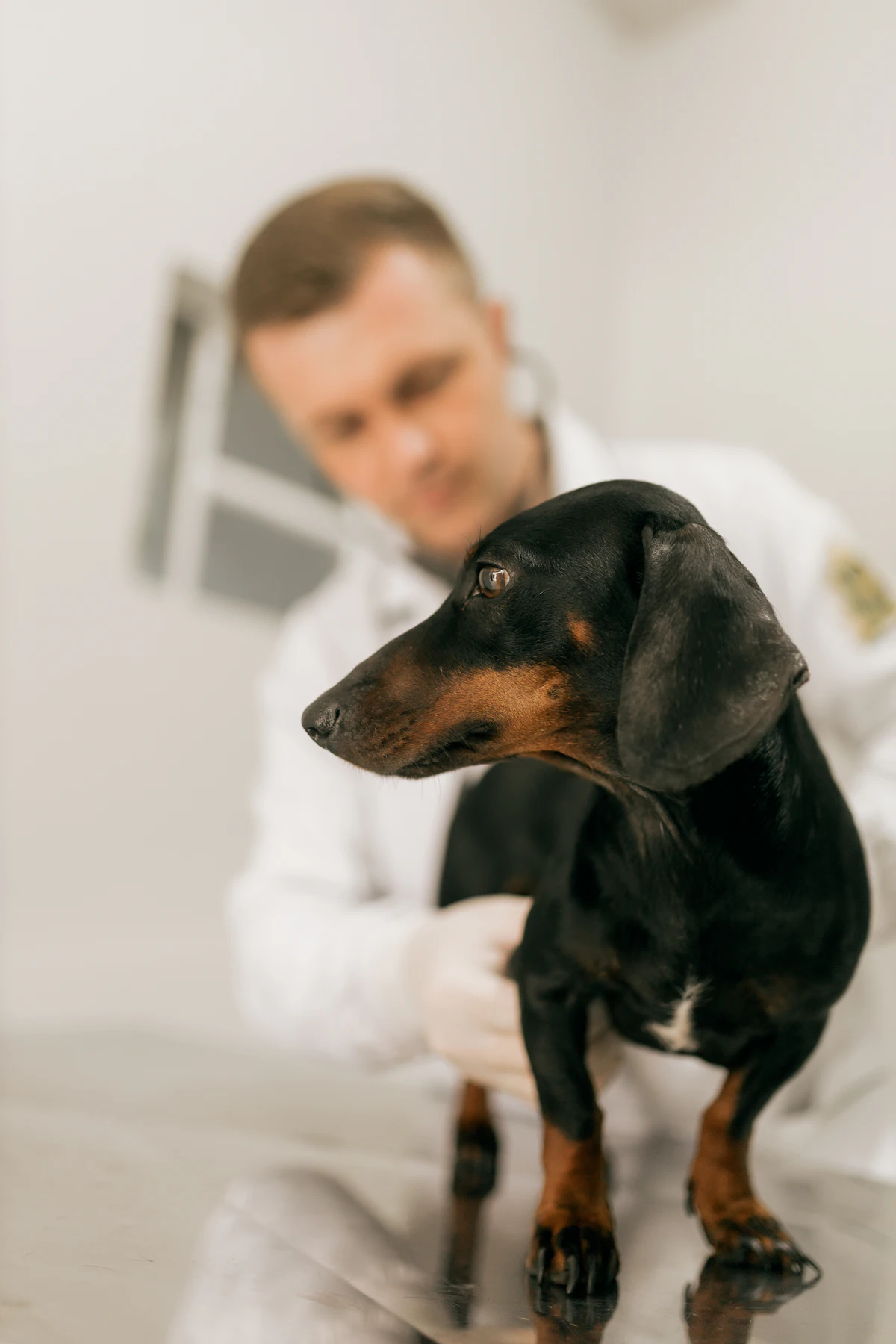
Kidney failure in dogs means the kidneys can no longer filter waste and balance fluids properly. It may be sudden (acute kidney injury), which is an emergency but sometimes reversible, or slow (chronic kidney disease), which has no cure but can often be managed. Common signs include increased thirst, vomiting, appetite loss and lethargy.
The information is current and up-to-date in accordance with the latest veterinary research. Learn more »
The phrase "kidney failure" is frightening, and it does not describe one single illness. A young dog that ate raisins yesterday and a 13-year-old that has slowly been drinking more all year could both be given this label, yet their treatment and outlook are very different.
The first question to ask your vet is therefore whether the problem is acute or chronic. This guide explains how to tell them apart, what the symptoms and test results mean, what treatment involves, and which situations cannot wait until morning.
Key Takeaways
- There are two main forms. Acute kidney injury develops suddenly, while chronic kidney disease (CKD) progresses over months or years.
- Suspected poisoning is an emergency. Antifreeze, grapes, raisins, lilies and some medications can damage the kidneys, so call a vet before signs appear.
- Thirst is often the first clue in CKD. Drinking and urinating more can come well before a dog looks ill.
- CKD is staged from 1 to 4. Stage guides treatment, and a kidney diet is recommended from stage 2 onward according to the Merck Veterinary Manual.
- Outlook varies widely. Severe acute cases carry high mortality, while many dogs with CKD have a good quality of life for months or years with care.
1What Is Kidney Failure in Dogs?
Healthy kidneys remove waste from the blood, conserve water, and help regulate minerals and blood pressure. When they fall behind, waste builds up in the bloodstream, and the dog can feel nauseous and weak. The kidneys also lose their ability to concentrate urine, which is why many affected dogs produce large amounts of dilute urine.
Dog kidney failure is a broad term. Merck notes it can mean advanced chronic disease or a sudden injury that might be reversible, so a diagnosis should always specify which.
2Acute vs Chronic Kidney Failure
Acute kidney injury (AKI):
- Starts over hours to days
- Can affect dogs of any age
- Often follows a toxin, infection, shock or blockage
- May be partly or fully reversible with early, aggressive care
Chronic kidney disease (CKD):
- Develops gradually over months or years
- Is most common in older dogs
- Results in permanent damage
- Cannot be cured, but can often be slowed and managed
The two can overlap. A dog with CKD can have a sudden crisis, and repeated acute episodes can leave lasting damage that leads to chronic disease.
3Symptoms of Kidney Failure in Dogs
Most signs are not specific to the kidneys, so blood and urine tests are needed to confirm the cause.
Early signs, more typical of CKD:
- Drinking more water than usual
- Urinating more often or in larger amounts
- House accidents in a trained dog
- Gradual weight loss or pickier eating
If you are unsure what is normal, our guide to how much water a dog should drink can help you measure it.
Later or more severe signs:
- Vomiting or diarrhea, sometimes with blood
- Poor appetite and lethargy
- Foul breath and mouth ulcers
- Pale gums, from anemia
- Dehydration
- Weakness or seizures
Sudden kidney injury may also reduce urine output or stop it completely. Many dogs with AKI are seriously ill when they arrive at the clinic, with low blood pressure or shock.
VCA Animal Hospitals explains that dogs with chronic disease can seem to decline abruptly once about two-thirds of kidney function has been lost. The illness may look sudden even if the damage has been building for a long time.

4When to Go to the Emergency Vet
Do not wait and watch if any of the following applies:
- Your dog may have swallowed antifreeze, grapes, raisins, rodent poison, lilies or a pain medicine such as ibuprofen
- Your dog is straining and producing little or no urine
- Vomiting is repeated, or there is blood in vomit or stool
- Your dog is collapsing, having seizures or too weak to stand
- A dog with known kidney disease stops eating or drinking
Do not try to treat a poisoned dog at home unless a vet or poison helpline tells you to. If they do advise it, our article on making a dog throw up explains why that step is not always safe.
5What Causes Kidney Failure in Dogs?
Causes of Acute Kidney Injury
Veterinary references describe several groups of causes:
- Toxins: antifreeze (ethylene glycol), grapes and raisins, lilies, heavy metals, some rodenticides, and insect or snake bites
- Medications: NSAIDs and certain antibiotics, including aminoglycosides
- Reduced blood flow: shock, low blood pressure, heart or liver failure, heatstroke, trauma or burns
- Infection: leptospirosis, kidney infection and Lyme disease
- Blockage: an obstructed ureter or urethra, which stops urine from draining
Causes of Chronic Kidney Disease
CKD is often the end result of other problems, and it is strongly linked to aging. Known contributors include birth defects of the kidney, long-term infections, inflammation of the kidney's filters (glomerulonephritis), amyloidosis, stones and tumors. In many older dogs, a clear single cause is never found.
6How Vets Diagnose Kidney Failure
Your vet will ask about possible toxin exposure, medicines and changes in thirst. Testing commonly includes:
- Blood chemistry: BUN, creatinine and SDMA rise as kidney function falls, and phosphorus often climbs too
- Urinalysis: poorly concentrated urine is often an early finding, and protein levels help guide treatment
- Blood count: this can reveal anemia, which is more common with long-term disease
- Blood pressure: high pressure can further damage the kidneys
- X-rays or ultrasound: these look for stones, blockages, tumors and changes in kidney size
- Infection tests or urine culture, when an infectious cause is possible
7Stages of Chronic Kidney Disease
Vets typically use the International Renal Interest Society (IRIS) staging system once a dog is stable. Merck lists these dog values:
- Stage 1: creatinine below 1.4 mg/dL, SDMA below 18 mcg/dL
- Stage 2: creatinine 1.4 to 2.8 mg/dL, SDMA 18 to 35 mcg/dL
- Stage 3: creatinine 2.9 to 5 mg/dL, SDMA 36 to 54 mcg/dL
- Stage 4: creatinine above 5 mg/dL, SDMA above 54 mcg/dL
Vets also subclassify each case by urine protein and blood pressure, both of which matter for treatment. A single reading does not establish the stage, because staging depends on repeat results in a stable, hydrated dog. Muscle mass can also skew creatinine, which is one reason SDMA is checked alongside it.
8Treatment for Kidney Failure in Dogs
Treating Acute Kidney Injury
Treatment is usually in hospital and targets the trigger wherever possible. That may mean an antidote or decontamination for a recent toxin, antibiotics for an infection, or relief of a blockage.
Intravenous fluids are the mainstay, often for 24 to 96 hours, along with correction of electrolytes and medication for nausea and stomach ulcers. Fluid rates need careful monitoring, because overhydration is also a risk. Dialysis can help some dogs, but its cost and limited availability put it out of reach for many.
Managing Chronic Kidney Disease
The plan depends on the stage, and your vet decides which of these fit your dog:
- Kidney diet: usually from stage 2 onward
- Phosphate binders: added if diet alone does not control phosphorus
- Blood pressure and urine protein drugs: such as benazepril or telmisartan
- Anti-nausea drugs, antacids and appetite stimulants: to keep your dog comfortable and eating
- Fluids: under-the-skin fluids at home for some dogs, or IV fluids during a crisis
- Anemia treatment: such as darbepoetin in selected cases
Merck also lists fish oil as an option. Kidney transplant is rarely performed in dogs.
9Feeding a Dog With Kidney Failure
Veterinary kidney diets are lower in phosphorus and contain modest amounts of high-quality protein. Merck notes they are associated with longer survival and more time before a uremic crisis.
Some practical tips:
- Change food slowly, because dogs that feel nauseous can develop a lasting dislike for food they associate with feeling ill.
- Keep fresh water available at all times, and never restrict it unless your vet says so.
- Tell your vet if your dog refuses the diet. Options include other textures and treating nausea, and a dog that is eating something is usually better than one that is eating nothing.
- Ask before adding supplements or treats, as many are high in phosphorus. Homemade diets need a formulation from a veterinary nutritionist.
10Prognosis and Quality of Life
For acute injury, the outlook is guarded at first. Merck puts survival at around 50% for severe cases needing medical care, and VCA cites a mortality of about 60% across all causes. Treatable infections tend to do better than toxin cases, and a dog that makes little or no urine after rehydration has a poorer outlook. Survivors may be left with chronic disease.
For chronic disease, no fixed timeline applies. Stage at diagnosis, urine protein, response to first treatment and your ability to continue care all play a part. VCA notes many dogs do well for months or years.
In advanced disease, ask your vet about how to judge quality of life. Useful things to track include appetite, vomiting, energy, interest in family and how many good days your dog has each week. Choosing euthanasia when comfort can no longer be maintained is a recognized and compassionate decision.
11Can Kidney Failure Be Prevented?
Age-related disease cannot always be prevented, but you can lower some risks:
- Store antifreeze and medicines securely, and clean up any spills straight away
- Never give human pain relievers unless a vet prescribes them
- Keep grapes, raisins and lilies out of reach
- Ask your vet whether the leptospirosis vaccine is right for your dog
- Provide constant access to water, and prevent heatstroke
- Ask about routine blood and urine screening as your dog ages
Pets with long-term conditions also benefit from good all-round care. Our senior dog food guide covers wider nutrition questions, but a dog already diagnosed with CKD should follow the diet your vet prescribes.
Sources
- Merck Veterinary Manual. Renal Dysfunction in Dogs and Cats.
- Merck Veterinary Manual, Dog Owners edition. Chronic Kidney Disease in Dogs.
- Merck Veterinary Manual, Dog Owners edition. Noninfectious Diseases of the Urinary System in Dogs.
- VCA Animal Hospitals. Acute Kidney Injury in Dogs.
- VCA Animal Hospitals. Chronic Kidney Disease in Dogs.
- International Renal Interest Society. IRIS Guidelines and Staging System.
Frequently Asked Questions
?What are the first signs of kidney failure in dogs?
With chronic disease, the first signs are usually increased thirst and urination, sometimes with accidents indoors. Sudden kidney injury more often starts with vomiting, appetite loss and marked lethargy, and needs urgent attention.
?Can a dog recover from kidney failure?
Some dogs recover from acute kidney injury, particularly with early treatment, though lasting damage is possible. Chronic disease does not reverse, but treatment can often slow its progress and improve your dog's comfort.
?How long can a dog live with kidney failure?
There is no reliable single number. It depends on whether the disease is acute or chronic, its stage, urine protein and treatment response. Your vet can give a more realistic range after follow-up tests.
?Is kidney failure painful for dogs?
It can make dogs feel very unwell through nausea, mouth ulcers and weakness, and the kidneys themselves may be sore in acute injury. Much of this discomfort can be treated, so tell your vet about any changes.
?What should I feed a dog with kidney failure?
Usually a veterinary kidney diet, which is lower in phosphorus with modest high-quality protein. If your dog refuses it, ask your vet about alternatives instead of switching to a high-protein food on your own.
?Why does my dog with kidney disease vomit?
Waste buildup can irritate the stomach and trigger nausea. Your vet may prescribe anti-nausea or stomach medication. See our guide on why dogs throw up for other causes, and call your vet about any new or repeated vomiting.
?Can dogs catch kidney failure from other dogs?
Kidney failure itself is not contagious, but one cause is. Leptospirosis is an infection that can spread through urine and can also affect people, so tell your vet about any possible exposure.
Help us do better!
Was this article helpful and relevant?
Thanks for your feedback!
About Dr. Tomas Ellery
Dr. Tomas Ellery is an emergency and general-practice veterinarian who has spent fifteen years treating dogs in busy city clinics. He writes the health and symptom guides on VetsExplained and is a firm believer that owners who know what normal looks like catch disease earlier.
View all posts by Dr. Tomas Ellery →More from Dog Diseases And Medical Conditions



You Might Like
 Dog BreedsLabradoodle Dog Breed Guide: Temperament, Size, Grooming, Health and Care
 Dog BehaviorWhy Does My Dog Eat Grass? A Vet Separates Myth From Evidence
 Dog BreedsBernedoodle Dog Breed Guide: Temperament, Size, Coat, Health and Cost
 Dog BreedsCavapoo Dog Breed Guide: Size, Temperament, Health, Grooming and Cost