Neutered Meaning: What Neutering a Dog Involves and How Long It Takes
 Written by Dr. Hannah Reyes, BVSc MRCVS
 Fact checked by Dr. Priya Natarajan, DVM, DACVN
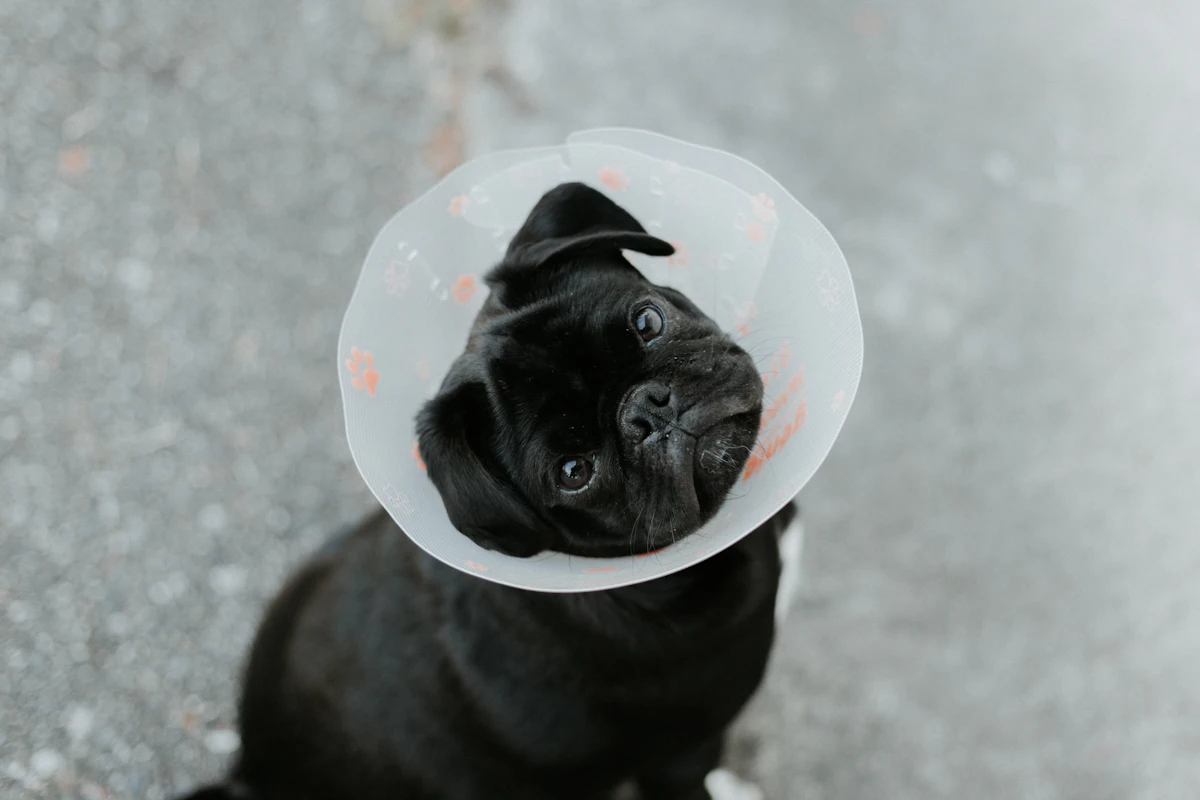
Neutered means a dog has been surgically sterilized. For males, this means removing both testicles under general anesthesia, known as castration. The word can also cover spaying in females. Clinics commonly estimate the surgery at 10 to 20 minutes, and most dogs return to normal activity in 5 to 10 days.
The information is current and up-to-date in accordance with the latest veterinary research. Learn more »
The neutered meaning is simple: a neutered dog has had surgery so that he can no longer father puppies. In everyday US use, the word nearly always refers to male dogs, while spayed is used for females. Technically, neuter can describe sterilizing either sex.
The definition is only the start. You probably also want to know what happens during the operation, how long it takes to neuter a dog, when to do it and what recovery looks like. This guide answers those questions and explains what the research says about timing.
Key Takeaways
- Neutered means surgically sterilized. For male dogs, it means removal of both testicles.
- The surgery is usually short. Clinics commonly estimate 10 to 20 minutes, but expect a longer visit.
- Most dogs recover in 5 to 10 days, according to VCA Animal Hospitals, with restricted activity during that time.
- There is no one best age. Breed, size, sex, health and lifestyle all matter.
- Neutering does not change core personality. It mainly affects hormone-driven behavior.
1Neutered Meaning: What the Word Covers
A dog that is "neutered," "castrated" or "fixed" has typically had his testicles removed. VCA defines neutering as surgery to remove both testicles, which sterilizes the dog and ends his ability to reproduce.
The related terms are easy to mix up:
- Neutered male: Testicles removed. This is what most people mean.
- Spayed female: Reproductive organs removed. Some sources also call this neutering.
- Intact: A dog who has not been sterilized.
- Vasectomy: A different procedure that leaves the testicles in place. It is not what "neutered" usually means.
2What Happens During Dog Neutering?
According to VCA, the usual process looks like this:
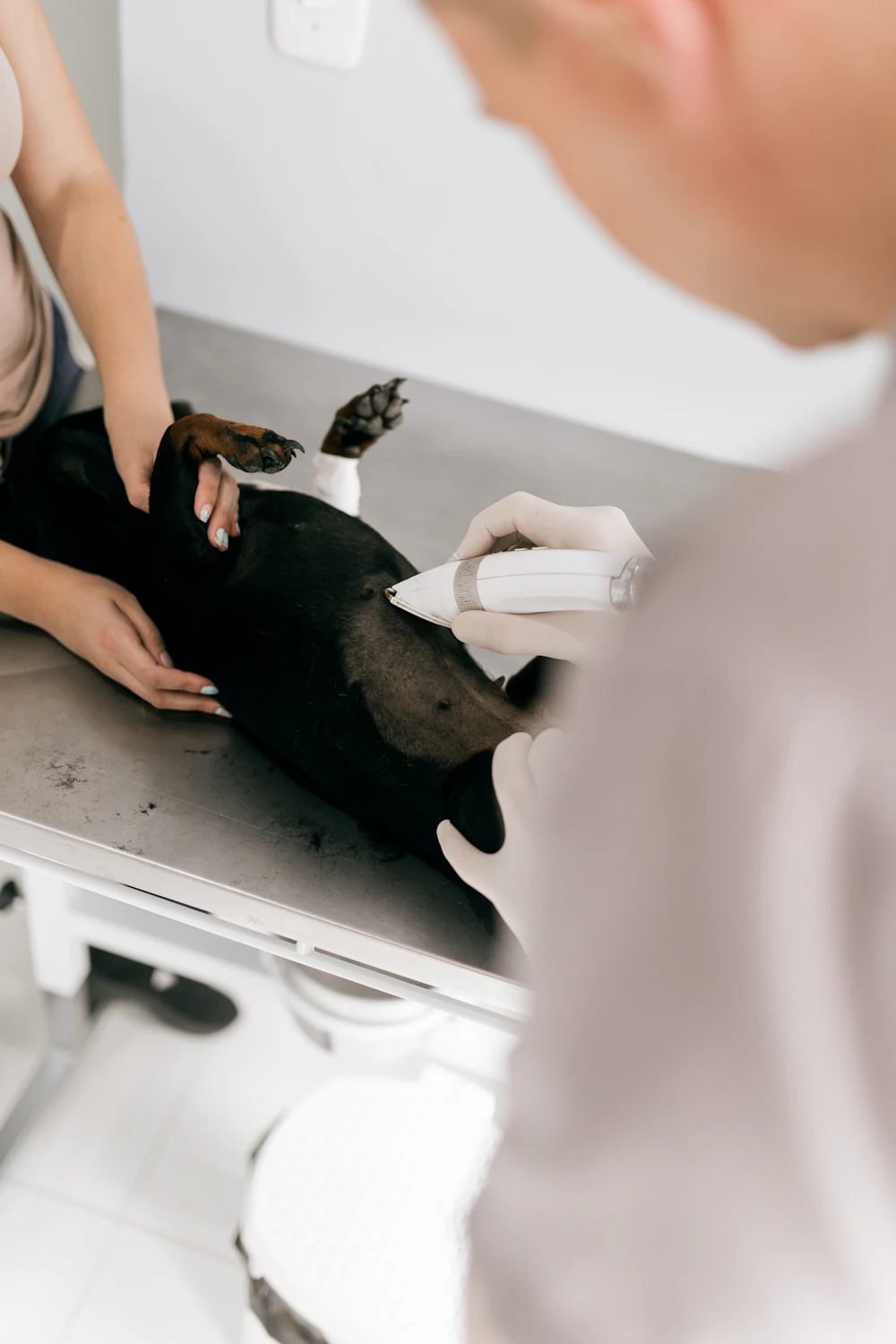
1. Check-up. Your vet examines your dog and usually runs blood tests before anesthesia. Surgery may be postponed if your dog seems unwell. 2. Anesthesia. An IV catheter is typically placed, and your dog goes under general anesthesia with a breathing tube. 3. Surgery. Both testicles are removed through small incisions. 4. Closure. Many vets use absorbable internal sutures, so a removal visit may not be needed. 5. Pain relief. It is given during surgery and often for several days afterward.
Ask your clinic whether your dog will go home the same day. Follow its fasting instructions closely, because VCA notes that aspiration pneumonia is a risk when a dog has not been properly fasted.
Dogs with a retained testicle, called cryptorchidism, are a special case. The surgery can be more involved because the testicle has to be located, so ask your vet what to expect.
3How Long Does It Take to Neuter a Dog?
Clinic estimates generally put the surgery itself at about 10 to 20 minutes, with roughly 30 to 60 minutes in total when preparation and anesthesia are included. There is no single official figure, so treat these as estimates. Your dog will spend longer at the clinic because of the pre-surgery check and the wake-up period.
It may take longer for large or older dogs, and for dogs with a retained testicle. Ask your clinic for drop-off and pick-up times, which are more useful for planning your day.
4When Should a Dog Be Neutered?
There is no fixed age that suits every dog. VCA says timing depends on breed, health, behavior and environment, and that neutering large breeds before bone growth is complete is linked to a higher risk of cruciate ligament tears.
A 2020 University of California, Davis study in Frontiers in Veterinary Science looked at neutering age across 35 dog breeds, using one teaching hospital's records. Its broad findings:
- Vulnerability to joint disorders after neutering is generally linked to body size.
- Small breeds generally showed no increased joint disorder risk, although Boston Terriers and Shih Tzus showed cancer increases.
- Patterns differed by breed and sex, so the authors offered breed-by-breed guidelines rather than one age for all dogs.
- For most breeds and sexes, owners could choose the age without added risk of the conditions studied.
The study was retrospective and covered mainly early-onset conditions, so it shows associations and does not prove cause. If you have a large breed, or a dog with hip dysplasia, ask your vet about timing rather than following a general rule.
Weigh these factors with your vet:
- Expected adult size and breed
- Whether you can reliably prevent unplanned breeding
- Behavior concerns such as roaming or mounting
- Current health and any orthopedic issues
5Benefits of Neutering a Dog
VCA lists these benefits:
- Eliminates the risk of testicular cancer
- Lowers the risk of prostate enlargement and prostate infection
- Reduces other hormone-related problems, such as perianal adenomas and perianal hernias
- Reduces hormonal behavior such as mounting and marking
- Reduces some aggression, including aggression between males
- Reduces roaming, which can lead to car accidents and injuries
It also prevents unplanned litters. VCA notes that neutered dogs generally live longer, and we look at the lifespan data and its limits-live) separately.
6Risks and Downsides
Neutering is a routine operation, but it is still surgery under anesthesia. VCA lists:
- Anesthetic reactions, which are rare but unpredictable
- Aspiration pneumonia if the dog is not properly fasted
- Post-operative infection, which is uncommon and usually treatable
- Reduced metabolism, although overfeeding and low activity are the main causes of obesity
- Possible higher cruciate ligament risk in large breeds neutered before bone growth is complete
- Possible increased risk of some fearful behaviors, such as noise phobia, when neutered before maturity
Weight is the most manageable of these. Ask your vet to review portions, and use our life-stage feeding guide to adjust calories after surgery.
7Recovery: What to Expect at Home
VCA says most dogs can return to normal activity 5 to 10 days after surgery, while some clinics ask owners to keep dogs calm for up to 14 days. Follow your own vet's instructions if they differ.
During recovery:
- Keep walks short and on leash. No running, climbing stairs or rough play until cleared.
- Keep the incision dry. No baths or swimming until your vet says it is safe.
- Use a cone or alternative. It stops your dog from licking the incision.
- Give pain relief only as prescribed. Do not give human painkillers.
- Check the site daily. Ask your vet what is normal for your dog.
Many dogs seem back to normal within a day or two, which is exactly why they need limits. Feeling well does not mean the incision has healed.
8When to Call the Vet
Call your vet the same day if you see:
- A gaping incision or missing sutures
- Discharge, bad odor, spreading redness or marked swelling
- Repeated vomiting or no interest in food
- Unusual lethargy, shaking or obvious pain
Seek emergency care for heavy bleeding, pale gums, collapse or trouble breathing.
Sources
- VCA Animal Hospitals, Neutering in Dogs
- Hart BL, Hart LA, Thigpen AP, Willits NH. Assisting Decision-Making on Age of Neutering for 35 Breeds of Dogs: Associated Joint Disorders, Cancers, and Urinary Incontinence. Frontiers in Veterinary Science, 2020.
Frequently Asked Questions
?What does neutered mean for a dog?
It means the dog has been surgically sterilized. For a male, both testicles are removed under general anesthesia, which ends his ability to reproduce.
?How long does it take to neuter a dog?
Clinics commonly estimate the surgery at 10 to 20 minutes, or around 30 to 60 minutes with preparation and anesthesia. It can take longer in larger or older dogs and in dogs with retained testicles.
?How long does it take a dog to recover from neutering?
VCA says most dogs return to normal activity within 5 to 10 days. Some clinics recommend limited activity for up to 14 days. Your vet's instructions take priority.
?What is the best age to neuter a male dog?
There is no single best age. Research shows differences by breed, size and sex. Your vet can use your dog's breed, expected size, health and home situation to advise you.
?Do male dogs change after being neutered?
Hormone-driven behaviors such as roaming, mounting and marking may decrease. VCA says personality, intelligence, playfulness and affection do not change. Training still matters.
?Can a dog still get a female pregnant after being neutered?
Stored sperm may remain for a time after surgery, and published advice on how long varies. Keep him away from intact females until your vet says it is safe.
?Is neutering good for dogs?
For many dogs the benefits are real, including no risk of testicular cancer and no unwanted litters. It may raise certain risks in some breeds or when done early, so make the decision with your vet.
Help us do better!
Was this article helpful and relevant?
Thanks for your feedback!
About Dr. Hannah Reyes
Dr. Hannah Reyes is a small-animal veterinarian with twelve years in general practice and a special interest in canine behavior and preventive care. She reviews behavior and health articles on VetsExplained for clinical accuracy and shares her home with a retired greyhound and an opinionated terrier mix.
View all posts by Dr. Hannah Reyes →More from Dog Health



You Might Like
 Dog BreedsLabradoodle Dog Breed Guide: Temperament, Size, Grooming, Health and Care
 Dog BehaviorWhy Does My Dog Eat Grass? A Vet Separates Myth From Evidence
 Dog BreedsBernedoodle Dog Breed Guide: Temperament, Size, Coat, Health and Cost
 Dog BreedsCavapoo Dog Breed Guide: Size, Temperament, Health, Grooming and Cost