Best Dog Food for Small Dogs: How To Choose the Right One
 Written by Dr. Priya Natarajan, DVM, DACVN
 Edited by Sofia Marin
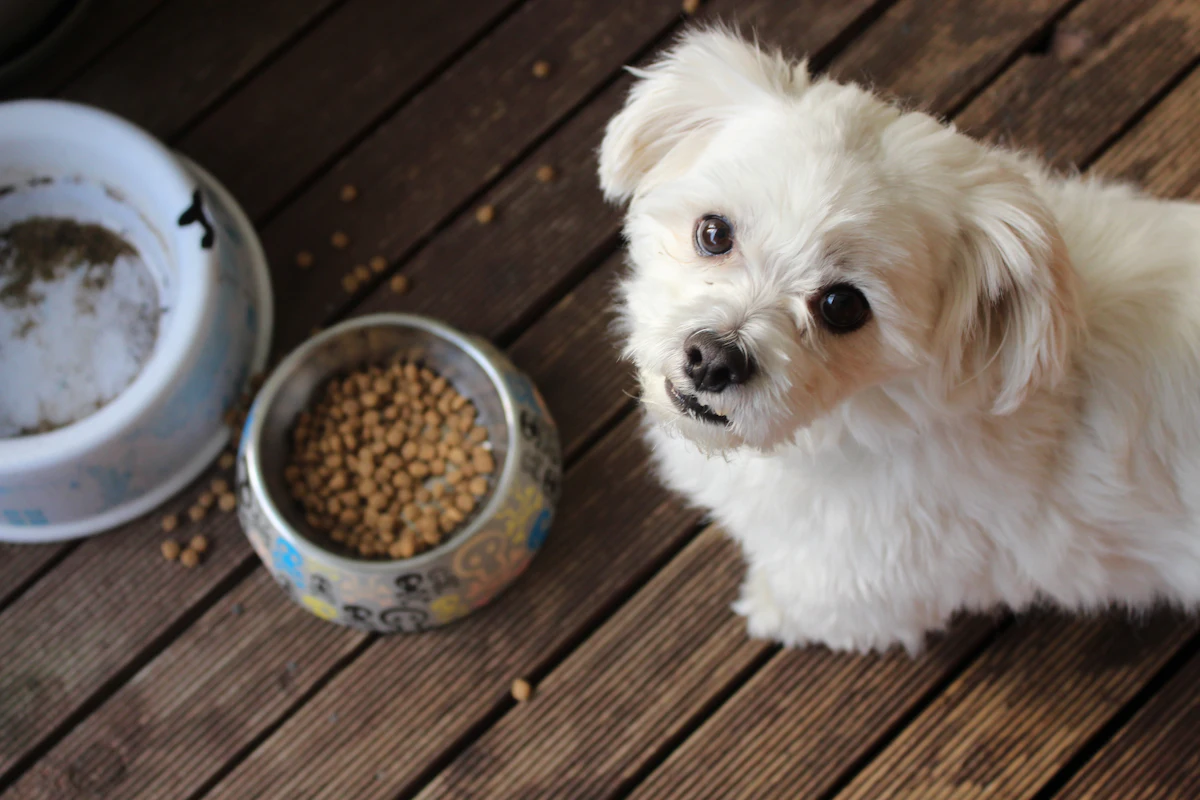
The best dog food for small dogs is a complete and balanced diet that matches your dog's life stage, comes in a bite size they can chew, and has a known calorie count. Small breed formulas are often more calorie dense, so accurate portions matter as much as the brand you pick.
Every detail in this story has been checked with the people involved before publication. Learn more »
Shoppers looking for the best dog food for small dogs usually want a single winner. That answer does not exist, because a 6-pound Chihuahua puppy and a 20-pound senior terrier need different things from a bowl.
What does exist is a short set of checks that separates a sound choice from good marketing. This guide walks through them, shows why calories deserve more attention than ingredient buzzwords, and explains when your vet should choose the diet.
We have not fed or tested any product for this guide, so you will not find rankings, scores or brand picks here. The advice comes from veterinary nutrition references, and it works on any bag you pick up.
Key Takeaways
- Start with the nutrition statement. Look for "complete and balanced" and the life stage that fits your dog.
- Calories per pound run high. A 10-pound adult can need roughly 1.5 times the calories per pound of a 70-pound dog.
- Portions are tiny, so errors are big. Weigh food on a digital kitchen scale instead of relying on a cup.
- Toy puppies need frequent meals. They can develop low blood sugar quickly, and that is an emergency.
- Treats count. Keep them to 10 percent of daily calories for adult dogs.
1What Counts as a Small Dog?
VCA Animal Hospitals groups toy and small dogs as those reaching up to about 20 pounds (9 kg) as adults. Small dog food makers each draw their own line, so check the feeding chart on the bag to confirm that your dog's weight appears on it.
A small mixed breed dog counts too. Adult weight is what matters, not the breed name on the paperwork.
2Why Small Dogs Eat Differently
They burn more per pound
Small dogs use more energy for each pound of body weight than large dogs. The Merck Veterinary Manual's standard estimate shows how wide that gap can be. Resting energy is calculated from body weight, then multiplied by about 1.6 to 1.8 for a healthy adult.
Run those numbers and you get roughly:
- 10-pound dog: about 345 to 390 calories a day, or 35 to 39 per pound
- 70-pound dog: about 1,500 to 1,690 calories a day, or 21 to 24 per pound
Treat these as starting points only. Merck notes that individual dogs can differ from the estimate by up to 30 percent.
A little extra goes a long way
That 10-pound dog's whole day may be under 400 calories, so one spare biscuit or a lick of cheese is a meaningful share. Calorie-dense small breed recipes make this easier to get wrong, because a slightly heaped scoop holds more energy than it appears to.
The American Kennel Club links excess weight in dogs to a higher risk of osteoarthritis, diabetes, and heart and kidney disease. For a small dog, weight trouble often begins with portions rather than the choice of food.
Bite size affects how they eat
Small kibble is easier for little jaws to pick up and chew, and VCA notes it may also support dental health. Treat that as a small bonus, and keep up with your vet's advice on home dental care whichever food you choose.
3How To Choose Food for a Small Dog
Work through these checks in order. If a food fails an early one, there is no need to read further.
1. Find the AAFCO statement. It should say the food is complete and balanced for growth, adult maintenance or all life stages. A food labeled for intermittent or supplemental feeding should not be the main diet. 2. Note how adequacy was shown. Some foods are formulated to meet a nutrient profile. Others were also fed to dogs in a trial, and VCA regards this as the stronger assurance. 3. Find the calories. Look for kcal per cup and per kg. Then compare foods by calories, since a cup of one recipe can hold far more energy than a cup of another. 4. Judge the piece size. Tiny dogs and dogs with missing teeth may need very small kibble or a softer food. 5. Ask about the company. Find out who formulates the diets, what qualifications that person has, and how quality and safety are checked. Veterinary nutrition groups encourage these questions. 6. See how your dog does. A good food on paper still has to suit the dog eating it.
Our guide to reading a dog food label goes deeper on ingredient lists and guaranteed analysis.
4Is Small Breed Food Necessary?
No. A small dog can do well on any complete and balanced food that suits their life stage, provided the pieces are manageable and the portions are correct.
The best small dog food often offers convenience: smaller pieces, more calories per cup, and a feeding chart that covers lighter weights. Those features help many dogs, particularly picky eaters and those who struggle to finish larger meals.
They can also backfire. A sedentary, overweight small dog may do better on a lower-calorie food, even if the bag has no small breed claim.
5Best Dry Dog Food for Small Dogs: What To Look For
Dry food is a popular choice because it stores well and is simple to measure. When comparing the best dry dog food for small dogs, focus on piece size, calories per cup and how well your dog chews it. A dog who swallows kibble whole or drops pieces may simply need a smaller or differently shaped one.
Wet food has more moisture and is softer, which can help dogs with few teeth or fussy appetites. Portions look larger because of the water content, and small cans avoid a half-used large tin sitting in the fridge. For the wider comparison, see wet or dry dog food.
Fresh and home-prepared diets need more care. Balance is hard to get right at tiny portions, so ask a board-certified veterinary nutritionist to review any home recipe. The AKC also notes serious safety concerns about raw diets. VCA advises against adding vitamin or mineral supplements unless your vet recommends them.
6Feeding Small Dogs by Life Stage
Small breed puppies
Choose food labeled for growth or all life stages. Do not feed puppies adult-only food. VCA says to continue until the skeleton has finished growing, at about 6 to 9 months for toy breeds and 8 to 10 months for small breeds.
Toy puppies have little energy in reserve. The AKC advises four to six meals a day for small breed puppies prone to low blood sugar, while VCA sets a floor of at least three small meals until 4 months. Ask your vet which plan suits your puppy's size.
Call a vet immediately if a tiny puppy is weak, lethargic or trembling, or has a seizure. These can be signs of low blood sugar.
Adult small dogs
At least two meals a day is the usual plan. VCA suggests a body condition score of 4 to 5 on the 9-point scale, which generally means ribs you can feel easily and a visible waist. The feeding guide by life stage explains how needs shift with age.
Senior small dogs
There is no official AAFCO nutrient profile for seniors, so the word "senior" on a bag tells you little. Choose based on weight, muscle and health conditions. Our senior dog food guide covers what to compare.
7What Is the Healthiest Dog Food for Small Dogs?
The healthiest dog food for small dogs is the one that keeps your particular dog at a lean weight with steady energy, firm stools and a good coat, while meeting a complete and balanced standard. No ingredient claim can promise that by itself.
Terms such as "premium" and "holistic" tell you little about a food's nutrition. Treat them as marketing until the statement, calories and company details back them up.
A trial is the real test. Give a new food several weeks, and watch for:
- Steady weight on a home or clinic scale
- Formed, regular stools
- Interest in meals
- A healthy coat and normal energy
8How To Portion and Switch Foods
- Weigh meals. VCA recommends a digital kitchen scale because cups are imprecise.
- Use the chart as a start. Adjust in small steps based on body condition, and recheck in a few weeks.
- Count every treat. Adult dogs can have up to 10 percent of their calories from extras. Our guide to treats for small dogs shows how to stay inside that budget.
- Switch gradually. Mix in more of the new food over about a week to reduce the chance of stomach upset.
9When Your Vet Should Choose the Food
Do not rely on a pet store label if your dog has any of the following:
- Kidney, liver, heart or pancreatic disease
- Diabetes
- Bladder stones
- Suspected food allergy or long-running digestive signs
- Unexplained weight loss or poor appetite
These dogs may need a therapeutic diet, and a change could affect how their condition is managed.
Sources
- Merck Veterinary Manual, Nutritional Requirements of Small Animals
- VCA Animal Hospitals, Nutritional Considerations for Toy and Small Dogs
- American Kennel Club, Finding and Choosing the Best Dog Food for Small Breed Dogs
Frequently Asked Questions
?What is the best dog food for small breeds?
There is no single best dog food for small breeds. Look for a complete and balanced food for your dog's life stage, with a manageable piece size and a calorie count that fits their needs.
?Do small dogs need small breed dog food?
Not always. Small breed food can make eating and portioning easier, but any complete and balanced food of a suitable size can work well.
?How much should I feed a small dog?
Start with the bag's chart and adjust to body condition. A healthy 10-pound adult may need around 345 to 390 calories a day, but your vet can refine this figure.
?How many times a day should a small dog eat?
Most adults do well on at least two meals. Toy puppies need more, often four to six meals a day, based on AKC guidance.
?Is dry or wet food better for small dogs?
Neither is better for all dogs. Dry food is easy to store and measure, while wet food suits dogs who need softer meals or more moisture.
?When should a small breed puppy switch to adult food?
Usually around 6 to 9 months for toy breeds and 8 to 10 months for small breeds, according to VCA. Check with your vet first.
Help us do better!
Was this article helpful and relevant?
Thanks for your feedback!
About Dr. Priya Natarajan
Dr. Priya Natarajan is a board-certified veterinary nutritionist who formulates diets for both commercial brands and individual patients. She covers nutrition, feeding and food-label topics on VetsExplained.
View all posts by Dr. Priya Natarajan →More from Food



You Might Like
 Dog BreedsLabradoodle Dog Breed Guide: Temperament, Size, Grooming, Health and Care
 Dog BehaviorWhy Does My Dog Eat Grass? A Vet Separates Myth From Evidence
 Dog BreedsBernedoodle Dog Breed Guide: Temperament, Size, Coat, Health and Cost
 Dog BreedsCavapoo Dog Breed Guide: Size, Temperament, Health, Grooming and Cost