Can Dogs Eat Cauliflower? Raw, Cooked and How Much Is Too Much
 Written by Dr. Priya Natarajan, DVM, DACVN
 Fact checked by Dr. Hannah Reyes, BVSc MRCVS
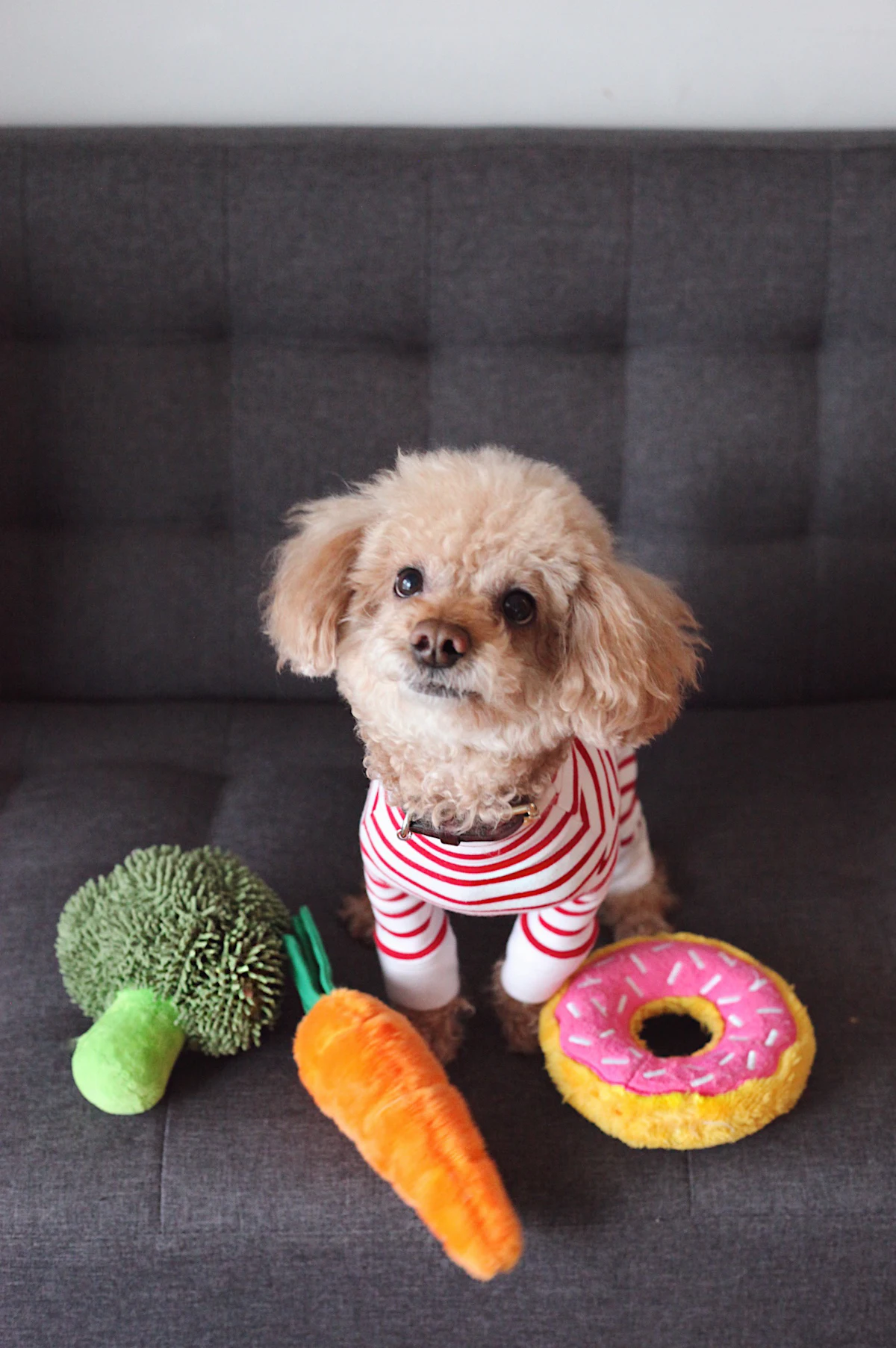
Yes, dogs can eat cauliflower. Plain raw or cooked pieces are a safe, low-calorie snack for most healthy dogs when cut small and kept occasional. Too much can cause gas and an upset stomach. Never share cauliflower cooked with onion, garlic, butter, cheese or heavy seasoning.
The information is current and up-to-date in accordance with the latest veterinary research. Learn more »
A floret that rolls off the cutting board is nothing to worry about. Dogs can eat cauliflower, and the ASPCA includes it among the vegetables that make a reasonable snack for pets.
The catch is in the details. How much you give, how large the pieces are and what the vegetable was cooked with all matter more than the cauliflower itself. A plain steamed floret and a spoonful of garlicky cauliflower mash are very different foods for a dog.
This guide covers raw versus cooked, sensible portions, the dishes to keep off the floor, and the signs that mean it is time to phone your vet.
Key Takeaways
- Plain cauliflower is safe for most dogs. Raw and cooked are both acceptable as long as nothing has been added.
- Size matters. Cut pieces small, especially for small dogs, to lower the choking risk.
- Keep it a snack. The ASPCA suggests snacks stay at or under 5 percent of daily calories.
- Gas is the most likely side effect. Large servings of this vegetable family can make dogs gassy.
- Seasoned recipes are the real danger. Onion and garlic can damage a dog's red blood cells.
1Is Cauliflower Good for Dogs?
Cauliflower can be a good treat for dogs, with the emphasis on treat. It is low in calories, so it suits dogs who need lighter rewards. It also supplies fiber along with nutrients such as vitamin C, vitamin K and folate.
The American Kennel Club groups cauliflower with broccoli, cabbage and Brussels sprouts as vegetables that offer fiber, vitamins and antioxidants when eaten in small amounts.
That does not make it a necessary food. A dog eating a complete and balanced diet already gets the nutrition it needs, so skipping cauliflower costs nothing. Think of it as a crunchy swap for a richer biscuit, in the same spirit as blackberries or cantaloupe.
2Can Dogs Eat Raw Cauliflower?
Yes. The ASPCA says cauliflower may be offered raw. Many dogs enjoy the crunch, but raw pieces are firm, and a dog that gulps its food may try to swallow one whole.
Two simple habits make raw cauliflower safer:
- Cut it down to size. Bite-sized for your particular dog is the goal, so a Yorkie's piece should be far smaller than a Labrador's.
- Watch the stem. The thick core is the hardest part to chew. The AKC warns that broccoli stalks can block the esophagus, particularly in small dogs, and it makes sense to treat a cauliflower core with the same caution. Leave it out or chop it finely.
3Can Dogs Eat Cooked Cauliflower?
Yes, as long as it is plain. Steaming or boiling in unsalted water softens the florets, which makes them easier to chew and a better choice for small or senior dogs. Cooled, unseasoned leftovers are fine if nothing was added during cooking.
Mashed or riced cauliflower also works when it was prepared without extras. Check before sharing, because these dishes are often made with butter, cream, cheese or garlic.
Frozen cauliflower can be served once thawed and cut small. A hard frozen chunk is another piece that a keen eater could try to swallow whole.
4Which Cauliflower Dishes Should Dogs Avoid?
Most problems come from the recipe. Leave these on your own plate:
- Anything with onion or garlic. The Merck Veterinary Manual explains that these plants damage red blood cells and can cause anemia. Cooked and powdered forms count, and signs can take several days to appear.
- Cauliflower cheese and buttery mash. These carry far more fat than a plain vegetable. Dogs with a history of pancreatitis should not have rich table food.
- Roasted cauliflower with oil and spice mixes. Seasoning blends often contain garlic or onion powder, along with salt.
- Pickled or battered versions. These add salt, fat or other ingredients your dog does not need.
If your dog ate a dish containing onion or garlic, call your vet or a pet poison helpline with your dog's weight and your best estimate of the amount. Do this even if your dog seems fine, because the effects can be delayed.
5How Much Cauliflower Can a Dog Eat?
No authoritative body publishes a specific cauliflower limit by body weight, so we will not invent one. Use these principles instead:
- Respect the snack limit. The ASPCA's guidance is no more than 5 percent of daily calories from snacks, and all treats count toward that total.
- Start with a very small amount. One small piece is enough the first time. Wait a day and see how your dog's stomach handles it.
- Scale to the dog. A toy breed may only need a piece or two, while a large dog can manage a few.
- Make it occasional. A little now and then is the goal, rather than a daily bowl.
The AKC's chief veterinarian has advised keeping broccoli under 10 percent of daily intake because its florets contain isothiocyanates, compounds that can irritate the stomach in some dogs. Cauliflower is a close relative. The advice was not written about cauliflower specifically, but it is another reason to keep servings small.
6Side Effects to Watch For
The AKC notes that large amounts of cauliflower may contribute to gas. A little extra wind after a new vegetable is usually just that. Other signs that your dog overdid it or does not tolerate it include:
- Soft stool or diarrhea
- Vomiting
- Reduced appetite
- Tiredness
Stop giving cauliflower if you notice these. Phone your vet if gas comes on suddenly or seems excessive, or if it comes with vomiting, diarrhea, blood in the stool or obvious discomfort.
Coughing, gagging or trouble breathing after eating could mean a piece is stuck. Struggling to breathe is an emergency, so go straight to the nearest veterinary hospital.
7Which Dogs Should Skip It?
Ask your vet before offering cauliflower if your dog:
- Has a sensitive stomach or a chronic digestive condition
- Eats a prescription diet, where extras can interfere with the plan
- Has a medical condition managed through food
- Is a young puppy still settling onto its food
8How to Serve Cauliflower to Your Dog
1. Wash the head and remove the leaves and thick core. 2. Cut the florets into pieces your dog cannot swallow whole. 3. Serve raw, or steam or boil without salt, oil or seasoning. 4. Cool cooked pieces fully before offering them. 5. Stay nearby while your dog eats the first few pieces.
You can use small pieces as training rewards or tuck a few into a stuffable toy. Dogs differ, and plenty simply spit it out. That is fine, as no dog needs cauliflower to stay healthy.
Sources
- ASPCA: Foods You Can Safely Share With Your Pet
- American Kennel Club: Why Dogs Get Gas and How to Reduce It
- American Kennel Club: Is Broccoli Safe for Dogs?
- American Kennel Club: What to Add to Your Dog's Diet to Boost Gut Health
- Merck Veterinary Manual: Garlic and Onion Toxicosis in Animals
Frequently Asked Questions
?Is cauliflower good for dogs every day?
Daily feeding is not necessary, and it raises the chance of gas. An occasional small serving is a better fit. If you do offer it often, keep it within your dog's snack allowance and watch the stool.
?Can dogs eat raw cauliflower stems?
It is best to avoid them or chop them very finely. The core is tough and could be a choking hazard, especially for small dogs and fast eaters.
?Can dogs eat cooked cauliflower with butter or cheese?
It is better not to. Butter and cheese add fat that a dog does not need, and those dishes often contain garlic or onion too. Set aside a plain portion before you add anything.
?Can puppies eat cauliflower?
Check with your vet first. Puppies need their complete puppy diet, and a young stomach can react to new foods. If your vet agrees, a very small soft piece is the safest way to try it.
?Why does cauliflower make my dog gassy?
Cauliflower belongs to the same vegetable family as broccoli and Brussels sprouts, and the AKC links large amounts of these foods to extra gas. Reducing the portion usually makes sense. Call your vet if the gas is sudden, severe or comes with other symptoms.
?My dog ate a lot of cauliflower. What should I do?
If it was plain, watch for gas, vomiting and diarrhea, and offer water. Call your vet if symptoms persist or your dog seems unwell. If the cauliflower contained onion or garlic, call right away.
Help us do better!
Was this article helpful and relevant?
Thanks for your feedback!
About Dr. Priya Natarajan
Dr. Priya Natarajan is a board-certified veterinary nutritionist who formulates diets for both commercial brands and individual patients. She covers nutrition, feeding and food-label topics on VetsExplained.
View all posts by Dr. Priya Natarajan →More from Dog Nutrition & Diet



You Might Like
 Dog BreedsLabradoodle Dog Breed Guide: Temperament, Size, Grooming, Health and Care
 Dog BehaviorWhy Does My Dog Eat Grass? A Vet Separates Myth From Evidence
 Dog BreedsBernedoodle Dog Breed Guide: Temperament, Size, Coat, Health and Cost
 Dog BreedsCavapoo Dog Breed Guide: Size, Temperament, Health, Grooming and Cost