Can Dogs Eat Pickles? Dill, Pickle Juice and What to Do After a Bite
 Written by Dr. Priya Natarajan, DVM, DACVN
 Fact checked by Dr. Hannah Reyes, BVSc MRCVS
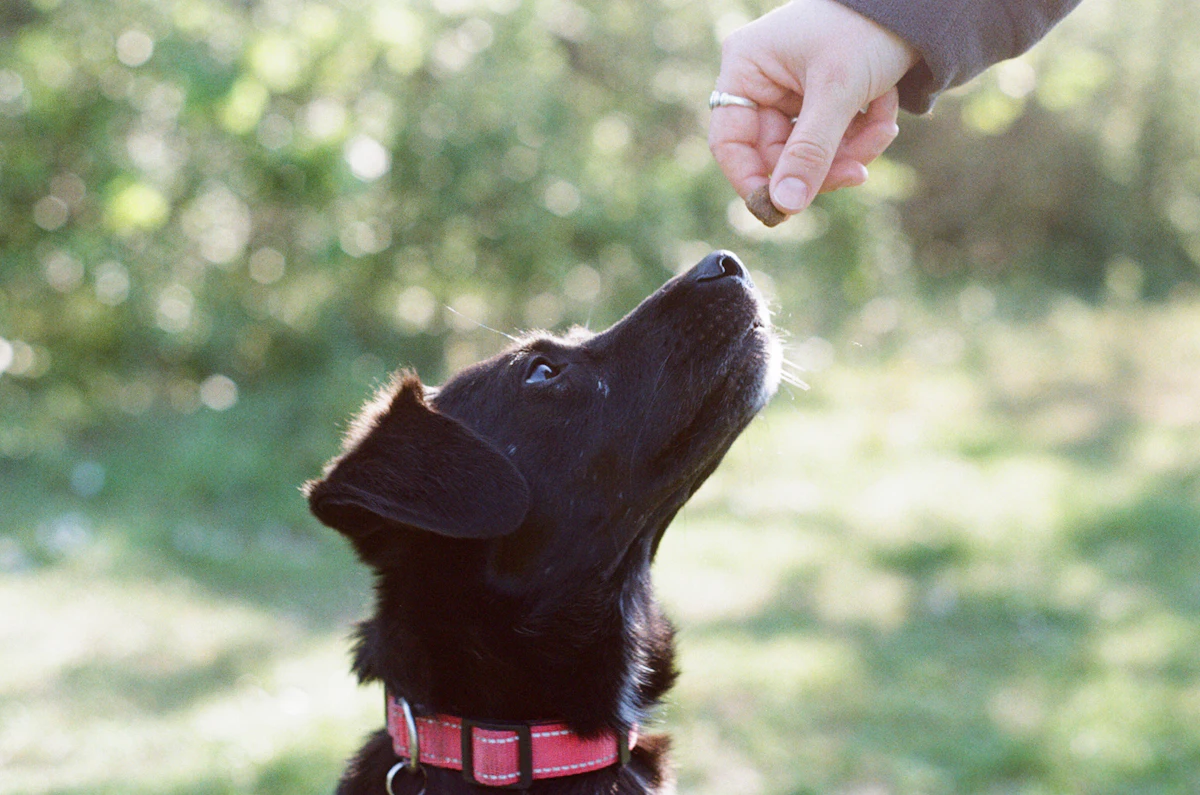
Dogs should not eat pickles as a treat. A small bite of plain dill pickle is unlikely to harm a healthy adult dog, but pickles carry a lot of sodium, and some contain onion, garlic, sugar or spices. Skip pickle juice completely, and offer plain cucumber instead.
The information is current and up-to-date in accordance with the latest veterinary research. Learn more »
Your dog just snatched a pickle off your burger, and now you want to know if that was a problem. Can dogs eat pickles? One small piece of plain dill is rarely an emergency, yet pickles are still a bad snack to offer on purpose.
The cucumber was never the issue. What changes it is the salty brine and whatever else went into the jar, which can range from harmless dill to onion, garlic and chili.
So the useful question is what your dog actually ate and how much. This guide helps you sort a shrug-it-off moment from a phone call to the clinic.
Key Takeaways
- Pickles are not a good treat. They are not poisonous in themselves, but the sodium load is high for the small benefit.
- Dill is not the danger. The ASPCA lists the dill plant as non-toxic to dogs. The brine is the bigger concern.
- Read the jar. Onion, garlic, chili and sugar-free sweeteners change the risk.
- Pickle juice is a no. It is essentially concentrated brine.
- Some dogs should get none. That includes dogs with heart or kidney disease and any dog on a sodium-restricted diet.
- Plain cucumber is the easy swap. It gives the same crunch without the salt.
1Are Pickles Bad for Dogs?
Are pickles safe for dogs in the strict sense? A plain pickle is not a toxin the way grapes or xylitol are. But "not toxic" and "good for them" are different claims, and veterinarians quoted by the American Kennel Club advise against feeding them because the downsides beat any upside.
Are pickles good for dogs in any way? A cucumber offers a little water and a few nutrients, and fresh cucumber delivers those without the brine. Nothing in a pickle makes it worth choosing over the fresh vegetable.
The Sodium Problem
Dogs need some sodium every day, and complete dog food already supplies it. Pickling adds far more on top. One hospital nutrition database lists a large 4-inch dill pickle at about 1,730 mg of sodium. A veterinarian interviewed by the AKC suggested roughly 100 mg of sodium a day as a ceiling for a medium dog. Those are rough reference points and brands vary widely, but the gap explains why vets are wary.
True salt poisoning takes a much larger dose. The Merck Veterinary Manual reports signs in dogs after about 2 to 3 g of salt per kilogram of body weight. A whole large pickle holds around 4.4 g of salt by simple conversion from its sodium content. That is well under the danger zone for a big dog, but a 10-pound dog would reach about half of the lower threshold from one pickle, and more if it also drank brine.
2Can Dogs Eat Dill Pickles?
Can dogs eat dill pickles? They are the least worrying kind, as long as the ingredient list is simple. A small slice of a plain dill pickle should not trouble a healthy adult dog, although it can still cause a loose stool or extra thirst.
Can dogs have dill as an herb? Yes. Can dogs eat dill on its own? Yes, in small amounts. A pinch of fresh dill sprinkled on food is a far better way to share the flavor, and there is no salt to worry about. The ASPCA notes only that long skin contact with the plant's oils can cause irritation.
3Which Pickles Are the Riskiest?
Not all jars carry the same risk. Roughly from most to least concerning:
- Sugar-free or "no sugar added" pickles. Check for xylitol, sometimes called birch sugar. The FDA warns that it can cause a dangerous drop in blood sugar and liver failure in dogs. Treat any exposure as urgent.
- Pickles with onion or garlic. Both can damage red blood cells. Bread-and-butter pickles often include onion, and many dill brines include garlic. The Merck Veterinary Manual notes garlic is 3 to 5 times more potent than onion. A slice is unlikely to carry a harmful dose, but there is no reason to feed it.
- Spicy pickles. Chili and hot spices can upset the stomach and bring on vomiting or diarrhea.
- Sweet pickles. Added sugar brings pointless calories, and diabetic or overweight dogs are better off without them.
- Plain dill. The lowest risk of the group, though still salty.
Also watch for whole pickles. A dog that gulps one can choke or struggle with a large piece, particularly a small dog.
4Can Dogs Have Pickle Juice?
Can dogs have pickle juice? No. The liquid is where the salt and the flavorings sit, and a dog can lap up a lot of it very quickly. Don't use it as a hydration trick or a food topper.
If your dog licked a few drops from the floor, offer fresh water and carry on. If a dog drank from an open jar or knocked over a container, phone your vet or a pet poison hotline, especially if the dog is small.
5Which Dogs Should Never Have Pickles?
Skip them entirely for these dogs, even in tiny amounts:
- Dogs with heart or kidney disease, or any dog on a low-sodium diet
- Puppies, whose small size means a small piece counts for more
- Dogs with a history of a sensitive stomach or pancreatitis
- Very small breeds, where a single slice is a large share of the daily sodium
- Diabetic dogs, in the case of sweet pickles
6My Dog Ate a Pickle: What to Do
Work through these steps in order:
1. Save the jar or look up the label. Search for xylitol, onion, garlic and spice. 2. Estimate the amount. A slice is different from a whole pickle plus juice. 3. Provide fresh water. Extra thirst is normal after salty food. Our guide to how much water a dog should drink gives you a baseline. 4. Do not try to make your dog vomit at home. Salt, including salt water, is not a safe way to do it. Let a vet decide whether it is needed. 5. Watch for the rest of the day. Mild stomach upset often settles on its own, and our guide to diarrhea in a dog who seems fine can help you judge a loose stool.
Onion and garlic damage can be delayed. According to Merck, red blood cell breakdown typically shows up 3 to 5 days after exposure, so keep an eye out for several days if the pickle contained either.
When to Call the Vet
Call right away if you see any of these, or if your dog falls into a high-risk group:
- Repeated vomiting or diarrhea
- Stumbling, weakness or tremors
- Seizures or collapse
- Unusually heavy thirst with lethargy
- Pale gums, dark urine or fast breathing in the days after onion or garlic
- Any possibility of xylitol, even without symptoms
- A large amount of pickles or brine eaten by a small dog
Seizures, collapse and suspected xylitol all need emergency care now, not a wait-and-see approach.
7Better Crunchy Snacks
If your dog loves the crunch, plain cucumber is the obvious replacement. Slice it into pieces that suit your dog's mouth, and rinse it first. A few other low-calorie options include plain green beans and carrot sticks, or small cubes of cantaloupe with the rind and seeds removed.
Keep treats of all kinds to about 10 percent of daily calories, and introduce anything new gradually so you can spot a food that does not agree with your dog.
Sources
- American Kennel Club, Can Dogs Eat Pickles?
- Merck Veterinary Manual, Salt Toxicosis in Animals
- Merck Veterinary Manual, Garlic and Onion (Allium spp) Toxicosis in Animals
- ASPCA Animal Poison Control, Dill plant listing
- US Food and Drug Administration, consumer guidance on xylitol and dogs
- University Hospitals Health and Wellness Library, nutrition facts for dill pickles
Frequently Asked Questions
?Can dogs eat pickles safely in small amounts?
A small bite of plain dill pickle is unlikely to hurt a healthy adult dog. It still isn't a good regular treat because of the sodium, and it isn't suitable for dogs with heart or kidney problems.
?Can a dog eat a whole pickle?
A large dog that swallows one plain pickle will usually be fine with water and observation, though stomach upset is possible. A small dog is a different matter, so call your vet for advice, particularly if the pickle had onion or garlic.
?Can dogs have dill pickles every day?
No. Daily salty snacks add sodium that your dog's food already provides. If you want to share something regularly, choose plain cucumber.
?Can dogs eat dill as a fresh herb?
Yes. The ASPCA lists dill as non-toxic to dogs, and a small sprinkle on food is fine. Avoid dill-flavored human products, which often contain salt and other seasonings.
?Can puppies have pickles?
It is best not to offer them. Puppies are small and their digestion is easily upset, so even a small piece is a poor choice.
?What are the signs of too much salt in a dog?
Early signs include vomiting, thirst and diarrhea. More serious cases can bring weakness, tremors, poor balance and seizures, and these need urgent treatment. Don't try to correct it at home, because vets lower sodium levels gradually to protect the brain.
?Can dogs eat sweet or bread-and-butter pickles?
They are best avoided. These pickles have added sugar and often contain onion or garlic. Check the label as well, as a reduced-sugar version could contain xylitol.
Help us do better!
Was this article helpful and relevant?
Thanks for your feedback!
About Dr. Priya Natarajan
Dr. Priya Natarajan is a board-certified veterinary nutritionist who formulates diets for both commercial brands and individual patients. She covers nutrition, feeding and food-label topics on VetsExplained.
View all posts by Dr. Priya Natarajan →More from Dog Nutrition & Diet



You Might Like
 Dog BreedsLabradoodle Dog Breed Guide: Temperament, Size, Grooming, Health and Care
 Dog BehaviorWhy Does My Dog Eat Grass? A Vet Separates Myth From Evidence
 Dog BreedsBernedoodle Dog Breed Guide: Temperament, Size, Coat, Health and Cost
 Dog BreedsCavapoo Dog Breed Guide: Size, Temperament, Health, Grooming and Cost