Can Dogs Have Cashews? Safe Amounts, Risks and What to Avoid
 Written by Dr. Priya Natarajan, DVM, DACVN
 Edited by Sofia Marin
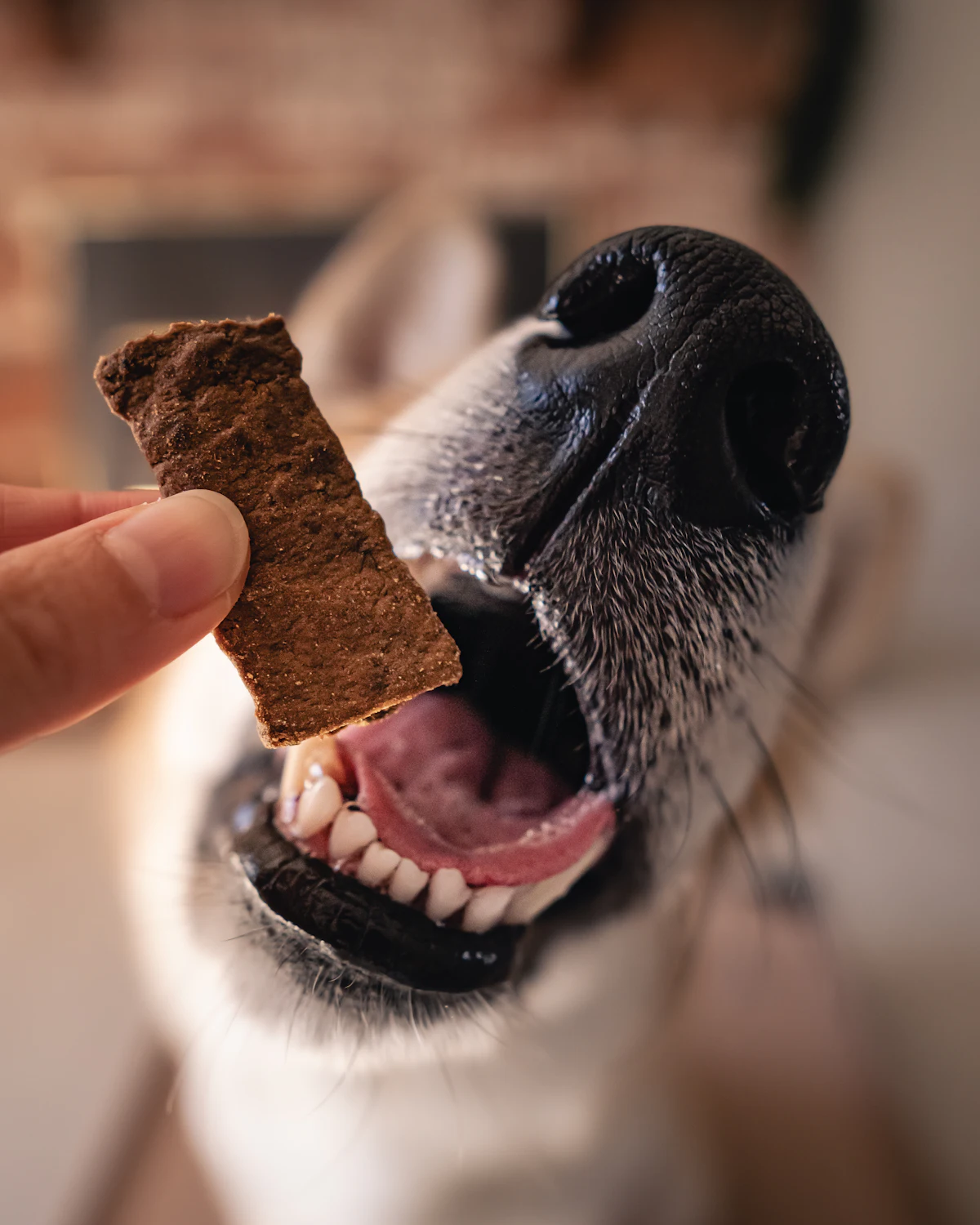
Yes, dogs can have a plain, unsalted cashew as an occasional treat, because cashews are not toxic to them. They are high in fat, though, so large amounts can upset the stomach and may contribute to pancreatitis. Never share salted, seasoned or mixed nuts, which can contain macadamias.
Every detail in this story has been checked with the people involved before publication. Learn more »
A cashew dropped on the kitchen floor is rarely a crisis. So can dogs have cashews on purpose? A plain nut now and then is fine for most healthy adults, but the snack offers your dog little that a complete diet does not already provide.
The real question is usually which cashew, and how many. A single unsalted nut and a spilled tin of honey-roasted party mix are very different situations. This guide helps you sort out which one you are dealing with and what to do next.
Key Takeaways
- Cashews are not toxic to dogs. The American Kennel Club (AKC) classes them as generally safe when plain.
- Fat is the main concern. Rich foods can cause stomach upset and may set off pancreatitis in some dogs.
- Packaging matters. Salt, onion or garlic seasoning, chocolate coatings and macadamias all add hazards.
- Keep them rare. All treats combined should stay near 10% of daily calories.
- Some dogs should skip them. That includes dogs with a pancreatitis history, overweight dogs and those on a fat-restricted diet.
1Can Dogs Eat Cashews Safely?
Yes, within limits. Unlike macadamias, cashews are not known to poison dogs. That does not make them a health food. AKC's position is that there is no real reason to feed nuts at all, and that is a useful frame: this is an optional extra, never a dietary need.
Think of a cashew as a small, high-fat bite. For a large, active dog, one piece barely registers. For a very small dog, the same piece takes up far more of the day's treat allowance.
2How Many Cashews Can a Dog Have?
No veterinary body publishes an official cashew count by body weight, so be wary of precise charts. A more defensible approach uses the treat budget.
VCA Animal Hospitals advises keeping treats to about 10% of daily calories, with the rest coming from balanced dog food. In practice:
- Start small. Offer one plain nut, broken up for a small dog, and watch for the next day.
- Count it as a treat. Skip another snack that day rather than adding on top.
- Keep it occasional. Do not make cashews a daily habit.
- Check the numbers if you like. The USDA FoodData Central database lists calories for human foods, and your vet can tell you your dog's daily target.
Our guide to dog treats for small dogs covers lower-risk options if your dog is tiny.
3Risks of Feeding Cashews to Dogs
Fat and pancreatitis
Cashews are rich in fat. VCA notes that a fatty meal may trigger pancreatitis in some dogs, although many cases have no clear cause. The condition can become life threatening. Regular fatty extras also feed weight gain, along with the joint and metabolic problems that follow.
Salt
Most snack cashews are salted. The ASPCA warns that too much salt can cause vomiting, diarrhea, tremors and seizures, and severe cases can be fatal. One or two salted nuts are unlikely to reach that level, but a whole bowl is another matter for a small dog.
Seasonings and coatings
Flavored nuts can hide far worse ingredients than the cashew itself. According to the ASPCA, onion and garlic can damage red blood cells, while chocolate causes problems ranging from vomiting to seizures. Sugar-free products deserve extra care, because xylitol can drop blood sugar and harm the liver.
Mixed nuts
This is the biggest trap. Macadamias can cause weakness, wobbliness, vomiting, tremors and a raised temperature, usually within 12 hours, the ASPCA reports. If a dog raided a mixed tin, assume macadamias were in it until you have read the label.
Choking or blockage
AKC points out that nuts can pose choking or obstruction hazards, with small dogs at particular risk. Gulpers are also a concern. Breaking a nut into pieces and supervising reduces the chance of trouble.
Allergy
Reactions to cashews seem uncommon, but any new food can cause one. Stop feeding it and call your vet if you notice swelling, itching or hives.
4Which Dogs Should Not Have Cashews?
Leave cashews off the menu, or ask your vet first, if your dog:
- Has had pancreatitis or is on a low-fat prescription diet
- Is overweight or on a weight-loss plan
- Has a sensitive stomach or a known food allergy
- Is on a sodium-restricted diet for a medical reason
- Is a young puppy, where a complete puppy food should come first and a choking risk is harder to manage
VCA specifically flags high-fat foods as a problem for dogs with chronic pancreatitis.
5What About Cashew Butter and Other Cashew Products?
Pure, unsalted cashew butter removes the choking concern but not the fat. Read the ingredient list before sharing any nut butter, and reject products containing xylitol, chocolate or added salt.
Cashew milk, cashew cheese and similar products often contain added flavorings, so treat them as label-check items too. Honey-roasted, candied and spiced nuts are best avoided altogether.
6My Dog Ate Cashews: What Should I Do?
Your next step depends on the type and amount.
Usually fine to monitor at home: one or a few plain cashews in a healthy adult dog. Mild, short-lived stomach upset is the most likely problem.
Call your vet or a poison line now if:
- The nuts were mixed, or may have included macadamias
- They were seasoned with onion or garlic, or coated in chocolate
- The product may contain xylitol
- A small dog ate a large quantity, or any dog emptied a container
- Your dog has had pancreatitis before
The ASPCA Animal Poison Control Center can be reached at (888) 426-4435, and a fee may apply. Keep the packaging handy so you can read out the ingredients.
Go to a clinic promptly if you see repeated vomiting, a painful belly, weakness, tremors, seizures, collapse or choking. A dog with pancreatitis may stand with the rear raised and the chest lowered, a stance often called the praying position.
Do not try to make your dog vomit unless a vet tells you to. Our article on how to make a dog throw up explains why this needs professional direction.
7Better Snacks Than Cashews
Lower-fat choices can give your dog the same reward. Some fruit options are covered in our guides to blackberries and cantaloupe. VCA also suggests setting aside a portion of your dog's regular food to use as treats, which is the simplest choice of all.
Sources
- American Kennel Club. Can Dogs Eat Cashews?
- ASPCA Animal Poison Control Center. People Foods to Avoid Feeding Your Pets.
- VCA Animal Hospitals. Pancreatitis in Dogs.
- VCA Animal Hospitals. Will My Dog's Diet Be Balanced With Treats?
Frequently Asked Questions
?Are cashews toxic to dogs?
No. Plain cashews are not considered toxic to dogs. Trouble usually comes from their fat, added salt or seasonings, or other nuts packed alongside them.
?Can dogs eat roasted or salted cashews?
Plain roasted is acceptable in small amounts. Salted is a poor choice, though one or two are unlikely to cause harm in a healthy dog. Avoid flavored roasts entirely, because seasonings may contain onion or garlic.
?Can puppies have cashews?
It is better to skip them. Puppies need a complete growth diet, and a nut is a larger choking risk in a small mouth. Ask your vet before offering any human food.
?Can cashews cause diarrhea in dogs?
Yes, they can, especially in larger amounts, because rich foods can upset the digestive tract. Call your vet if it persists, or if vomiting, pain or lethargy appear.
?Can dogs have cashew butter?
A small lick of plain, unsalted cashew butter is reasonable for a healthy dog. Check that the label does not list xylitol, chocolate or added salt.
?Which nuts are dangerous for dogs?
Macadamias are the classic toxic nut. The ASPCA also warns that almonds, pecans and walnuts are high in fats and oils, which can cause vomiting, diarrhea and, in some pets, pancreatitis.
Help us do better!
Was this article helpful and relevant?
Thanks for your feedback!
About Dr. Priya Natarajan
Dr. Priya Natarajan is a board-certified veterinary nutritionist who formulates diets for both commercial brands and individual patients. She covers nutrition, feeding and food-label topics on VetsExplained.
View all posts by Dr. Priya Natarajan →More from Food



You Might Like
 Dog BreedsLabradoodle Dog Breed Guide: Temperament, Size, Grooming, Health and Care
 Dog BehaviorWhy Does My Dog Eat Grass? A Vet Separates Myth From Evidence
 Dog BreedsBernedoodle Dog Breed Guide: Temperament, Size, Coat, Health and Cost
 Dog BreedsCavapoo Dog Breed Guide: Size, Temperament, Health, Grooming and Cost