Cefpodoxime for Dogs: Uses, Dosage and Side Effects
 Written by Dr. Tomas Ellery, DVM
 Fact checked by Dr. Hannah Reyes, BVSc MRCVS
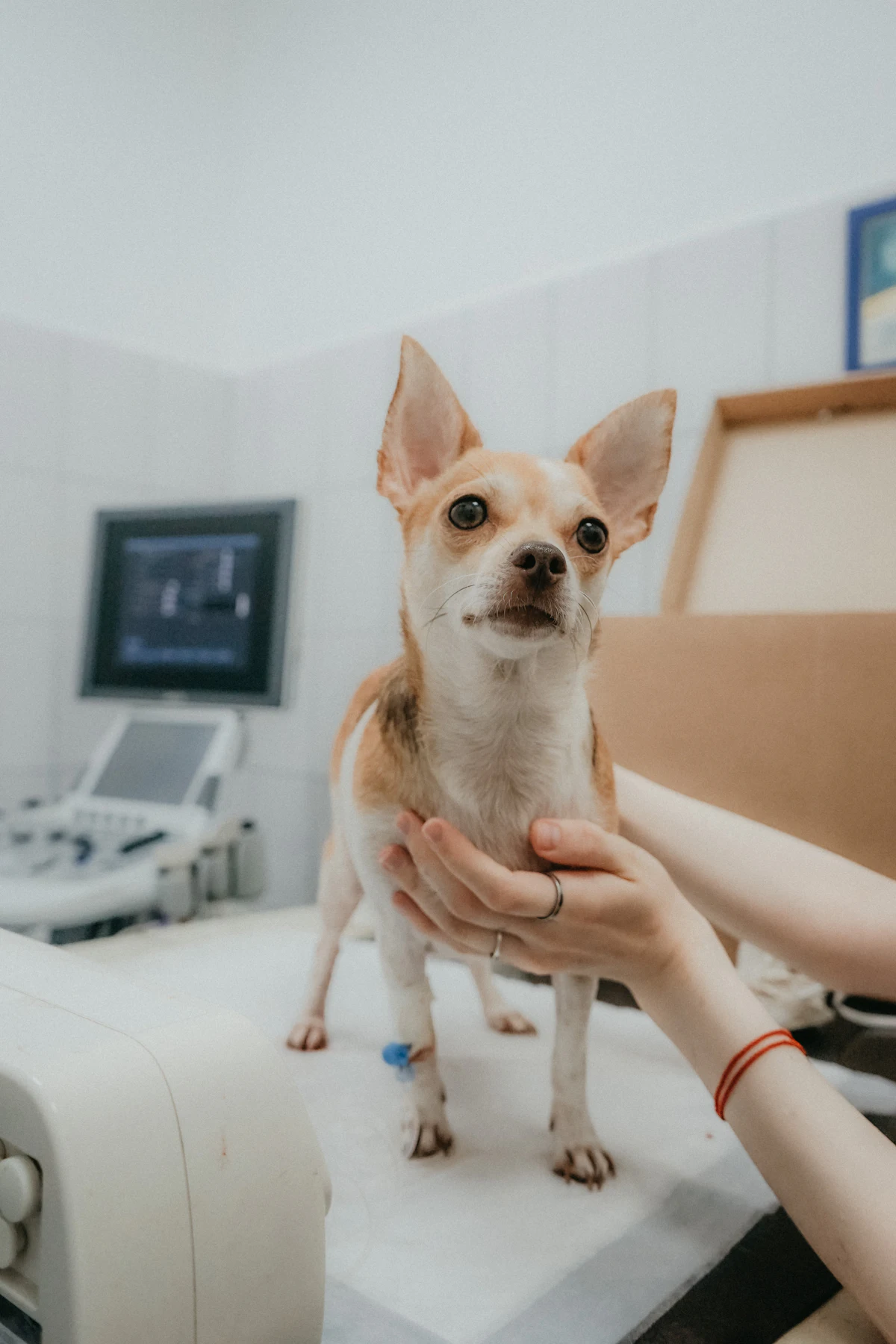
Cefpodoxime for dogs is a prescription cephalosporin antibiotic labeled for skin infections such as wounds and abscesses. It is sold as Simplicef and Cefpoderm. The label dose is 5 to 10 mg/kg by mouth once daily, with or without food. Vomiting and diarrhea are the main side effects. Your vet decides the dose.
The information is current and up-to-date in accordance with the latest veterinary research. Learn more »
Cefpodoxime for dogs is a prescription antibiotic used mainly for bacterial skin infections. If your dog has come home with a once-daily tablet called Simplicef or Cefpoderm, this is the drug inside the bottle.
It is convenient, and side effects were uncommon in the labeled field study. Even so, it only works on susceptible bacteria, and it should not be used in dogs with a beta-lactam allergy. This guide covers what cefpodoxime proxetil is used for, how dosing works, which side effects matter, and when to call your vet.
Key Takeaways
- It is a cephalosporin antibiotic. VCA Animal Hospitals classifies it as third generation.
- The labeled use is skin infections in dogs. The label names wounds and abscesses caused by susceptible bacteria.
- The label dose is 5 to 10 mg/kg once daily. It can be given with or without food, and your vet sets the exact dose.
- Treatment length varies. The label gives 5 to 7 days, or 2 to 3 days past the end of signs, up to 28 days.
- Allergy is the main red flag. Facial swelling, hives or trouble breathing need urgent care.
1What Is Cefpodoxime for Dogs?
What is cefpodoxime for dogs in simple terms? It is an oral antibiotic, most often given as a tablet. The tablet contains cefpodoxime proxetil, a prodrug that the body converts to active cefpodoxime. According to the product label, oral bioavailability is about 63 percent and the terminal half-life after oral dosing is about 5.6 hours.
It belongs to the beta-lactam family, which also includes penicillins. That is why allergy to either group matters. It works only against bacteria, so it will not help a viral illness, a fungal infection, an allergy or parasites.
2Simplicef vs Cefpoderm: What Is the Difference?
These are two names you may see for the same active ingredient.
- Simplicef is the original brand, from Zoetis, approved under NADA 141-232.
- Cefpoderm is an FDA-approved generic, under ANADA 200-543, labeled by Dechra Veterinary Products.
Cefpoderm for dogs comes in 100 mg and 200 mg tablets, and it shares the Simplicef indication and dose range. Your vet or pharmacy may use either one. Check the strength on the bottle if the brand changes. Federal law restricts these tablets to use by or on the order of a licensed veterinarian.
3What Does Cefpodoxime Treat in Dogs?
The label covers skin infections (wounds and abscesses) caused by susceptible strains of:
- Staphylococcus pseudintermedius
- Staphylococcus aureus
- Streptococcus canis
- Escherichia coli
- Pasteurella multocida
- Proteus mirabilis
Vets also sometimes use it off-label. VCA notes that use for urinary tract infections in dogs is off-label, so your dog's plan may differ from the label.
It is not the right choice for every infection. Most kennel cough cases do not need antibiotics at all, and doxycycline is the usual choice when one is needed. Eye infections are usually treated with products such as Terramycin ointment. Some dogs also have breed-related skin disease that an antibiotic alone will not solve. If a skin infection keeps returning or fails to improve, ask your vet whether a bacterial culture makes sense.

4Cefpodoxime Dosage for Dogs
The Cefpoderm label lists 5 to 10 mg per kilogram of body weight, by mouth, once a day, with or without food. Your vet decides where your dog falls within that range.
As an illustration of the math, a 20 kg (44 lb) dog would receive 100 to 200 mg at the label range. Do not use this to work out a dose without your vet, and never give a leftover prescription or a human product.
The label's treatment length is 5 to 7 days, or 2 to 3 days after signs resolve, up to a maximum of 28 days. It also says acute infections should not be treated beyond 3 to 4 days without a response. If your dog is not clearly better within a few days, call your vet rather than waiting for the tablets to run out.
How to give it
- Give it at about the same time each day.
- Offer it with food if your dog vomits on an empty stomach, as VCA suggests.
- Finish the prescribed course, even if your dog looks better, unless your vet tells you to stop.
- Shake any liquid form well and measure carefully.
- Wash your hands after handling tablets. The label warns that these drugs can cause allergic reactions in sensitized people, so avoid contact if you are allergic to penicillins or cephalosporins.
What if you miss a dose?
Give it when you remember. If the next dose is almost due, skip the missed dose and resume the normal schedule. Never give two doses at once.
5Cefpodoxime Side Effects in Dogs
In the label's 216-dog field study, reported problems were uncommon. Of the 118 dogs given cefpodoxime, 2 had vomiting, 1 had diarrhea and 1 had decreased appetite. Individual dogs can respond differently.
VCA lists these as the common effects to watch for:
- Vomiting
- Diarrhea
- Reduced appetite
- Lethargy
Call your vet if they worsen or persist, or if your dog stops eating.
Rarer but more serious issues include:
- Allergic reaction. Facial swelling, skin rash, pale gums or trouble breathing. Stop the medication and contact a vet immediately.
- Blood changes. The label says problems such as neutropenia may occur at high doses, and the drug should be stopped if they appear.
- Test changes. It may occasionally cause a positive direct Coombs' test. VCA adds that it can cause false-positive urine glucose results, which matters for diabetic dogs.
6Which Dogs Should Not Take Cefpodoxime?
The label says cefpodoxime is contraindicated in dogs with known allergy to cefpodoxime or other beta-lactams, meaning penicillins and cephalosporins. Tell your vet if your dog has ever reacted to a drug in those groups.
Extra caution is needed in:
- Breeding, pregnant or lactating dogs. The label says safety has not been established.
- Dogs with kidney disease. VCA advises caution, and effects may last longer in dogs with kidney or liver disease.
- Dogs with a history of seizures. VCA lists this as a caution too.
Give your vet a full list of medicines and supplements before starting.
7Overdose and Storage
If your dog eats extra tablets, call your vet or an emergency clinic right away. VCA says overdoses usually cause vomiting, diarrhea, lethargy and appetite loss, though some can be more serious. Have the bottle and your dog's weight ready.
Store tablets at 68 to 77°F (20 to 25°C) with the cap on tightly. VCA advises refrigerating liquid suspensions and discarding them after 14 days. Keep all drugs away from children and pets.
8When to Call the Vet
Call the same day if your dog:
- Vomits repeatedly or has persistent diarrhea
- Stops eating or seems unusually tired
- Shows no clear improvement after 3 to 4 days
- Gets worse, with new swelling, pain or discharge from a wound
Go to an emergency clinic for trouble breathing, collapse, facial swelling or pale gums.
Sources
- Cefpoderm (cefpodoxime proxetil tablets) package insert, Dechra Veterinary Products, via DailyMed
- FDA Freedom of Information summaries, NADA 141-232 and ANADA 200-543
- VCA Animal Hospitals, Cefpodoxime
Frequently Asked Questions
?What is cefpodoxime for dogs used to treat?
It is labeled for skin infections such as wounds and abscesses caused by susceptible bacteria. Vets sometimes prescribe it off-label for other infections, including urinary infections.
?How many days should a dog be on cefpodoxime?
The label says 5 to 7 days, or 2 to 3 days beyond the end of clinical signs, up to a maximum of 28 days. Your vet sets the length for your dog.
?Does cefpodoxime make dogs sleepy?
It can. VCA lists lethargy as a possible side effect. Illness itself can also make a dog tired. Call your vet if your dog is very quiet, stops eating or seems weak.
?Is Cefpoderm the same as Simplicef?
They contain the same active ingredient, cefpodoxime proxetil. Cefpoderm is an FDA-approved generic of Simplicef. Your vet or pharmacy can confirm whether switching suits your dog.
?Should cefpodoxime be given with food?
It can be given with or without food. If your dog vomits after a dose on an empty stomach, try the next dose with food and tell your vet if vomiting continues.
Help us do better!
Was this article helpful and relevant?
Thanks for your feedback!
About Dr. Tomas Ellery
Dr. Tomas Ellery is an emergency and general-practice veterinarian who has spent fifteen years treating dogs in busy city clinics. He writes the health and symptom guides on VetsExplained and is a firm believer that owners who know what normal looks like catch disease earlier.
View all posts by Dr. Tomas Ellery →More from Dog Health



You Might Like
 Dog BreedsLabradoodle Dog Breed Guide: Temperament, Size, Grooming, Health and Care
 Dog BehaviorWhy Does My Dog Eat Grass? A Vet Separates Myth From Evidence
 Dog BreedsBernedoodle Dog Breed Guide: Temperament, Size, Coat, Health and Cost
 Dog BreedsCavapoo Dog Breed Guide: Size, Temperament, Health, Grooming and Cost