Colitis in Dogs: Causes, Treatment and When To See a Vet
 Written by Dr. Tomas Ellery, DVM
 Fact checked by Dr. Hannah Reyes, BVSc MRCVS
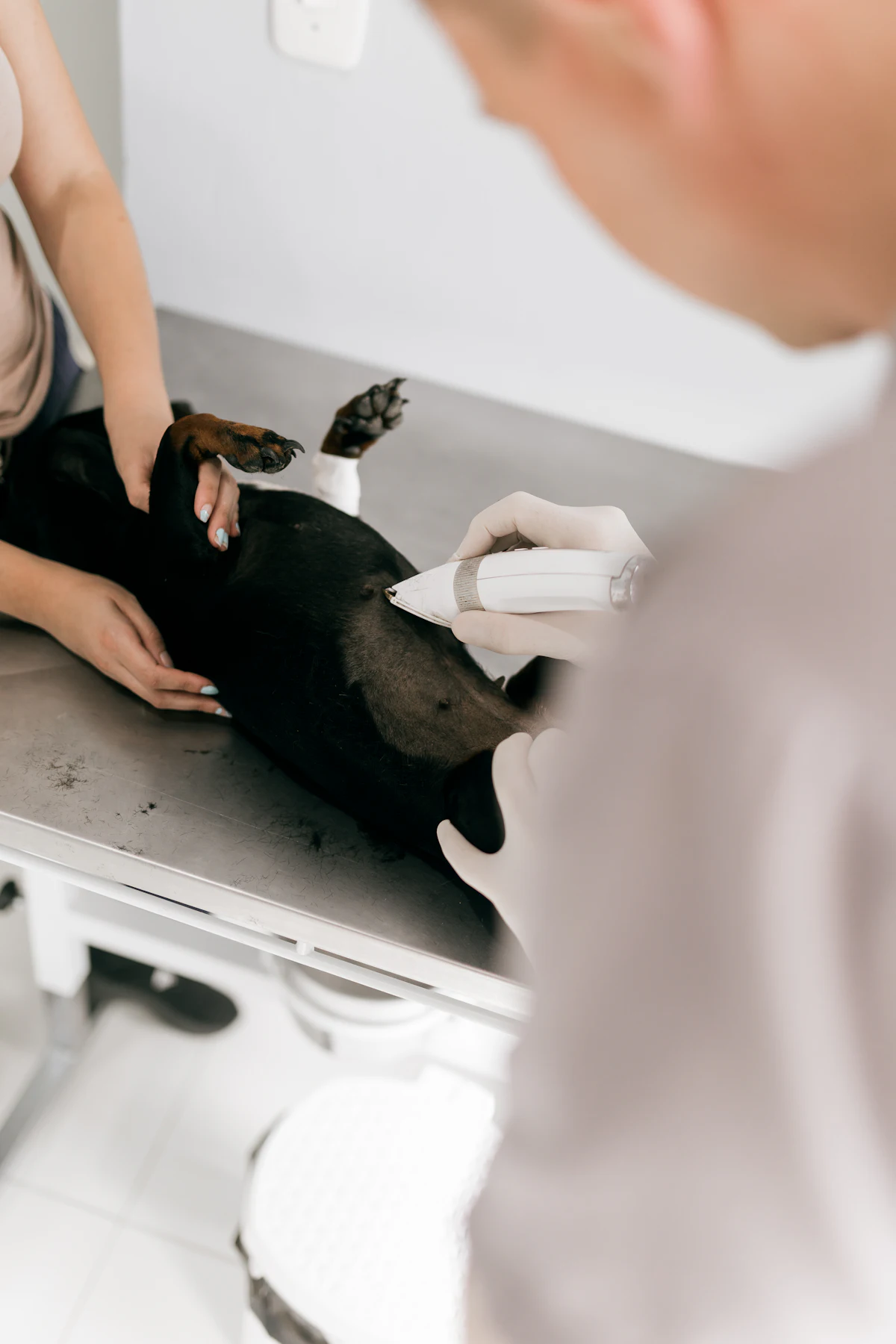
Colitis in dogs is inflammation of the colon that causes frequent, urgent, small stools, often with mucus or a little fresh blood. Stress, parasites, infection and food reactions are common causes. Sudden cases often clear within days, but chronic colitis lasts 3 weeks or more and needs a workup.
The information is current and up-to-date in accordance with the latest veterinary research. Learn more »
A dog who asks to go out every half hour, strains, and produces only a small smear of jelly-coated stool is showing the classic picture of colitis in dogs. It looks alarming, especially when there is a streak of red, yet many dogs with it stay bright and hungry.
Colitis simply means an inflamed colon. It is a description rather than a final diagnosis, so the real work is finding out what set it off. A stressful kennel stay and an inherited disease in a young Boxer can both produce it, and they call for very different care.
Below, you will find how to recognize the pattern, what vets check, how treatment works, and the signs that should not wait until tomorrow.
Key Takeaways
- It affects the large bowel. Expect urgency, straining and small amounts of stool, rather than large watery volumes.
- Stress is a leading trigger. VCA Animal Hospitals names it among the top causes of large bowel diarrhea. Stress colitis usually settles in 3 to 5 days.
- Whipworms can hide. Egg shedding is intermittent, so vets may deworm even after a negative fecal test.
- Diet is central to treatment. Fiber, hydrolyzed or novel protein foods are commonly used, depending on the case.
- Chronic colitis often comes back. It is usually controllable, but many dogs need ongoing diet or medical management.
1What Is Colitis in Dogs?
The colon absorbs water and stores stool before it leaves the body. When its lining is inflamed, it handles both jobs poorly. Stool arrives early, wetter and in small amounts, and the irritated bowel triggers the urge to go again and again.
The Merck Veterinary Manual sorts cases by how long they last:
- Acute colitis comes on suddenly and tends to be short-lived.
- Chronic colitis lasts at least 3 weeks, and signs may come and go.
Some dogs with long-term disease have a form of inflammatory bowel disease. Lymphocytic-plasmacytic colitis is the type vets most often find on biopsy.
2Symptoms of Colitis in Dogs
- Frequent trips outside, often with urgency or accidents indoors
- Straining, which may continue after the stool has passed
- Small amounts of soft to liquid stool
- Mucus, which looks like clear or whitish jelly
- A little bright red blood, often toward the end of a bowel movement
- Discomfort when passing stool
Vomiting occurs in less than a third of dogs, according to VCA, and weight loss is uncommon. Significant weight loss makes vets look harder at the small intestine or other disease.
Colitis or something else?
Owners often mistake straining for constipation. If your dog is passing little or nothing, or is straining to urinate rather than defecate, tell your vet, since these problems are managed very differently. A blocked bladder is an emergency.
Volume is also a clue. Large, watery stools, weight loss and vomiting point more toward the small intestine. Our guide to a dog with diarrhea who is acting fine can help you judge mild cases.
3What Causes Colitis in Dogs?
Merck notes that in most cases the original cause is never found. When one is identified, it usually falls into these groups.
- Stress: Boarding, moving house, travel, new pets or disrupted routines
- Parasites: Whipworms, Giardia and Cryptosporidium
- Bacteria: Salmonella, Clostridium and E. coli among them
- Fungal infection: Histoplasma and Pythium in some regions or travel histories
- Food reactions: Allergy, often to a dietary protein, plus sudden diet changes or scavenging
- Immune disease: Inflammatory bowel disease
- Injury: Swallowed bones or sharp objects that damage the colon
- Other illness: Merck also lists uremia, the buildup of waste products seen with kidney failure
Breeds with special forms
- Boxers and French Bulldogs: Granulomatous colitis is rare but linked to invasive E. coli. It usually begins before age 4 and needs a specific antibiotic plan.
- Basenjis and Norwegian Lundehunds: These breeds have rare inherited bowel diseases with a more guarded outlook.
If you have a young Boxer or Frenchie with persistent bloody diarrhea, ask about this early. It behaves differently from ordinary colitis.
4How Vets Diagnose Colitis
Your vet starts with the history and physical exam, including a rectal exam to check for masses or polyps. It helps to bring a fresh stool sample and a phone photo of the worst stool. Also note any recent diet change, stress or scavenging.
Next steps depend on how sick your dog is and how long this has been going on.
1. Stool testing for whipworms, Giardia and other organisms 2. A deworming course, sometimes given even when tests are negative 3. A diet trial of at least 2 weeks with one digestible, high-fiber or hypoallergenic-hypoallergenic) food, fed exclusively 4. Blood and urine tests to rule out other disease, including hypoadrenocorticism in some dogs 5. Imaging, usually an abdominal ultrasound, if a mass, thickened bowel or other problem is suspected 6. Colonoscopy and biopsies for cases that keep returning despite treatment
Merck recommends special staining of biopsies in Boxers and French Bulldogs, since this finds the bacteria behind granulomatous colitis.
5How to Treat Colitis in Dogs
Treatment depends on the cause, and your vet decides the drugs and doses. Merely stopping the diarrhea is not the goal, because the underlying trigger may still be active.
Diet
Food is the backbone of treatment for many dogs.
- Short rest for the gut: VCA describes withholding food for 24 to 48 hours as one non-specific option. Do not do this without vet advice, and never in puppies, tiny dogs or diabetics. Always leave water available.
- Fiber: Psyllium, beet pulp or a high-fiber prescription diet can help bulk and normalize stool. Fiber can often be reduced later. Your vet will suggest an amount to suit your dog's size.
- Low-residue diet: Highly digestible food reduces the work the colon has to do. Some dogs do better with this than with added fiber.
- Hydrolyzed or novel protein diet: Useful when a food reaction is suspected. Merck reports these diets are effective in dogs with colitis.
Our guide to reading a dog food label can help you compare options your vet suggests.
Medication
- Dewormers: Fenbendazole is commonly used for whipworms and is often repeated, because eggs are shed intermittently.
- Antibiotics: Merck generally discourages these for chronic diarrhea unless they are indicated. There are exceptions, including tylosin in selected cases and enrofloxacin for granulomatous colitis.
- Anti-inflammatory and immune-suppressing drugs: Sulfasalazine, prednisone and others may be used for inflammatory disease. Each has real side effects, so follow the taper schedule exactly.
- Probiotics and prebiotics: Commonly offered, but Merck describes the evidence for probiotics as mostly anecdotal. Fecal transplant is an emerging option.
Avoid these at home
- Human anti-diarrheal drugs. Loperamide is unsafe in dogs with the ABCB1 gene variant and in infectious colitis. Pepto-Bismol-type products should also be cleared by your vet first.
- Leftover antibiotics. They can disturb gut bacteria and delay diagnosis.
- Pain relievers meant for people. Some are dangerous to dogs and can cause gut ulcers.
6Mild Case at Home: What You Can Do
For an adult dog who is eating, drinking and acting normally, with a brief episode and no worrying signs, a phone call to your clinic is a sensible first step. They may advise you to:
- Offer plenty of fresh water
- Feed small, bland or prescription meals as directed
- Stop treats, table scraps and chews for now
- Take your dog out more often and avoid scolding accidents
- Take a photo of any unusual stool for your vet
If there is no clear improvement in 2 to 3 days, book an appointment. If the signs keep returning, ask for a full workup even if each episode seems minor.
7When Colitis in Dogs Is Urgent
Call your vet the same day, or go to an emergency clinic, if your dog has any of these:
- Large amounts of blood, or stools that look like raspberry jam
- Black, tarry stool
- Repeated vomiting or refusal to eat
- Lethargy, weakness or collapse
- Pale gums or a swollen, painful belly
- Signs of dehydration, such as sticky gums
- Known exposure to a toxin or swallowed object
Puppies, seniors, very small dogs and dogs with existing disease can become dehydrated quickly, so call sooner for them.
8Recovery and Long-Term Outlook
Most acute cases improve quickly once the trigger is dealt with, and stress colitis often clears within 3 to 5 days. If it has not, tell your vet.
For chronic colitis, the short-term outlook is good. Lasting cure is less likely, as Merck notes that relapses are common and many dogs need continued management. In practice, this may mean a long-term diet, occasional medication and a plan for flare-ups. Scarring or narrowing of the colon makes the outlook more guarded.
9Can You Prevent Colitis?
Not every case is avoidable, but you can reduce the risk.
- Keep your dog on year-round parasite control your vet recommends.
- Change foods gradually over about a week.
- Prevent scavenging, and avoid fatty table scraps, which are also a concern for pancreatitis.
- Prepare anxious dogs for boarding or travel. Discuss flare-up plans with your vet.
- Pick up stool promptly, as whipworm eggs can linger in soil.
Sources
- Merck Veterinary Manual: Colitis in Small Animals
- VCA Animal Hospitals: Colitis in Dogs
Frequently Asked Questions
?How long does colitis last in dogs?
Stress colitis usually settles within 3 to 5 days. Colitis lasting 3 weeks or more is classed as chronic and may flare on and off long term, so it needs a proper diagnosis.
?What does colitis poop look like in dogs?
Usually small and soft or liquid, often coated with jelly-like mucus, sometimes with streaks of fresh red blood. The first part may be firm and the last part looser.
?What should I feed a dog with colitis?
Feed what your vet advises, often a highly digestible, high-fiber, or hydrolyzed diet. Try one food at a time for at least 2 weeks, without treats, so you can tell whether it is working.
?Is colitis in dogs contagious?
Colitis itself is not, but some causes are. Parasites and bacteria such as Giardia and Salmonella can spread between dogs, and some can reach people. Wash your hands and clean up promptly.
?Can stress really cause colitis in dogs?
Yes. Stress is one of the most common triggers. Signs often appear shortly after boarding, travel or a household change, then ease as the dog settles.
?Should I fast my dog with colitis?
Only if your vet advises it. A short fast is sometimes suggested for healthy adult dogs, but it is unsafe for puppies, small dogs and dogs with conditions such as diabetes.
?Is pumpkin good for colitis in dogs?
It is a source of fiber and may help some dogs, but it does not treat parasites or inflammation. Use plain canned pumpkin only, and ask your vet about the amount.
?Can colitis in dogs be cured?
Acute cases usually resolve completely. Chronic inflammatory colitis is more often controlled than cured, and many dogs live comfortably with a long-term diet or treatment plan.
Help us do better!
Was this article helpful and relevant?
Thanks for your feedback!
About Dr. Tomas Ellery
Dr. Tomas Ellery is an emergency and general-practice veterinarian who has spent fifteen years treating dogs in busy city clinics. He writes the health and symptom guides on VetsExplained and is a firm believer that owners who know what normal looks like catch disease earlier.
View all posts by Dr. Tomas Ellery →More from Dog Diseases And Medical Conditions



You Might Like
 Dog BreedsLabradoodle Dog Breed Guide: Temperament, Size, Grooming, Health and Care
 Dog BehaviorWhy Does My Dog Eat Grass? A Vet Separates Myth From Evidence
 Dog BreedsBernedoodle Dog Breed Guide: Temperament, Size, Coat, Health and Cost
 Dog BreedsCavapoo Dog Breed Guide: Size, Temperament, Health, Grooming and Cost