Sad Dog: Can Dogs Be Depressed, and When Should You Worry?
 Written by Dr. Hannah Reyes, BVSc MRCVS
 Fact checked by Dr. Priya Natarajan, DVM, DACVN
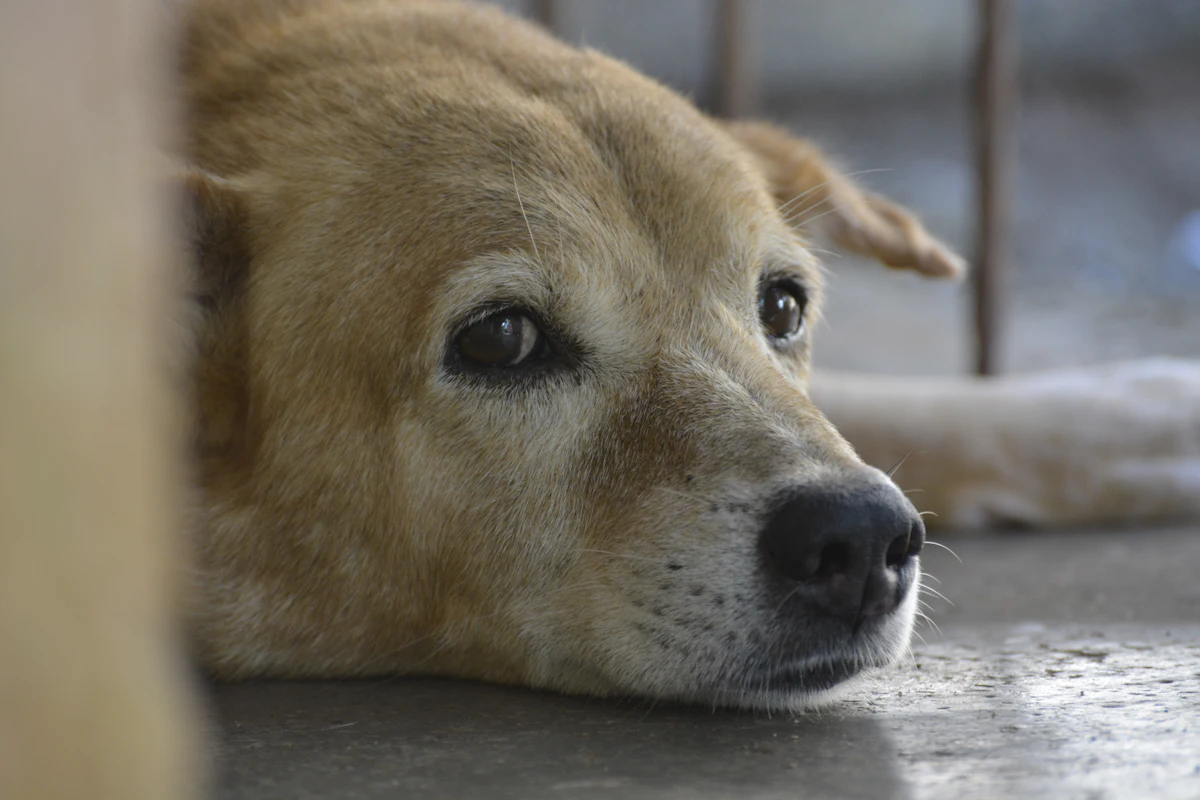
A sad dog usually shows lower energy, less interest in play or food, more sleep, or withdrawal. Dogs can have lasting low moods, often after a loss or big change, but pain and illness cause the same signs. Book a vet visit if changes last more than a few days.
The information is current and up-to-date in accordance with the latest veterinary research. Learn more »
A sad dog is hard to ignore. The walk that once caused excitement now gets a slow look from the sofa, the toys stay in the basket, and the food bowl takes longer to empty.
Dogs can feel low, but they cannot tell us why, and the signs we read as sadness overlap heavily with pain and illness. So the useful question is rarely "is my dog sad?" It is "what changed, and could something be physically wrong?"
This guide covers what is known about whether dogs can be depressed, the signs to watch for, the common causes, what you can do at home, and the point at which a vet should take a look.
Key Takeaways
- Low mood in dogs is plausible, but hard to prove. Dogs cannot report feelings, so nobody can confirm that a dog's experience matches human depression.
- Rule out physical causes first. Pain and conditions such as hypothyroidism can look just like sadness.
- A recent change is a useful clue. Loss of a companion, a move or a new routine can all unsettle a dog.
- Time and routine often help, but only once a medical cause has been considered.
- Some signs are urgent. Refusing food for more than a day or so, repeated vomiting, collapse or breathing trouble need prompt veterinary care.
1Can Dogs Be Depressed?
Probably something like it, with an important caveat. Depression in people is diagnosed largely through what they tell a clinician about their thoughts and feelings. A dog cannot do that, so "dog depression" is a description of behavior, not a confirmed inner state.
What can be observed is that dogs change their behavior after losses and disruptions, sometimes for months. The clearest example comes from a 2022 study in Scientific Reports, which surveyed 426 Italian owners who had lost one of two or more dogs. About 87% reported a behavior change in the surviving dog. Those changes included:
- More attention-seeking (67% of owners)
- Less play (57%)
- Lower activity (46%)
- More sleep (35%)
- More fearfulness (35%)
- Eating less (32%)
Among owners who saw changes, about a quarter said they lasted more than six months.
The limits matter. All of this came from owner reports, and the owners' own grief was linked to what they reported. The authors say they cannot confirm that what they measured was grief. It is reasonable evidence that dogs react to loss, not proof of how it feels to them.
2Signs of a Sad Dog
No single sign means sadness. Look for a change from your dog's normal, especially several changes together:
- Less energy: tiring early on walks, or not wanting to go
- Lost interest: ignoring toys, games or people they usually enjoy
- Appetite changes: eating less, or leaving food that was once popular
- Sleep changes: sleeping more than usual, or being restless at night
- Withdrawal: hiding, or staying in another room
- Clinginess: following you everywhere or seeking constant attention
- New fearfulness: startling or avoiding things that were fine before
- Whining or howling: more vocal than normal
What about the "sad eyes" look?
A droopy face on its own tells you very little. Some dogs simply have a soft or heavy-lidded expression, and that look can also appear when a dog is asking for something. Judge the behavior over days, not one expression. Our guide to how dogs actually like to be shown affection explains more about reading body language.
3Why Your Dog May Seem Sad
Pain
Pain is one of the most easily missed causes. VCA Animal Hospitals lists tiring quickly, withdrawing from people or pets, resisting grooming and being restless at night among the signs in aging dogs. A dog with sore joints may look uninterested in play when it actually hurts to play. Conditions such as hip dysplasia can develop this way.
Illness
Many illnesses reduce energy and appetite. One example is hypothyroidism, which according to VCA usually affects middle-aged dogs and can cause lethargy, less interest in exercise, weight gain and coat changes. A blood test can check for it. Digestive problems can look similar too, and pancreatitis can make a dog quiet and reluctant to eat.
Cognitive decline in older dogs
Older dogs can develop canine cognitive dysfunction. The signs include disorientation, changed social interaction, altered sleep, lost house training, changed activity and more anxiety. Because pain and other illness can look similar, a vet needs to assess them.
Loss of a companion
The death of another pet, or a family member leaving, can change a dog's behavior, as the study above shows. Some of this may be grief, and some may be stress from a lost routine and a missing companion.
Changes at home
A move, a new baby or pet, a change in work hours or a child leaving for college can all disrupt a dog's day. Dogs rely on predictable routines for meals, walks and company.
Separation anxiety
VCA notes that some dogs become quiet and withdrawn as their owner prepares to leave. Others howl, destroy things or soil the house while alone. If the low mood shows up mainly around departures, this is worth raising with your vet.
Too little to do
A dog with little exercise or mental stimulation may seem dull or restless. This is one of the easier causes to fix, but it should not be assumed before the others are considered.
4Sad, Sick or Just Tired? A Practical Check
Answer these before you decide it is an emotional problem:
- Did it start suddenly? A sudden change with no obvious trigger points toward a medical cause.
- Is your dog eating and drinking normally? If not, call your vet.
- Is movement different? Stiffness, limping or avoiding stairs suggests pain.
- Are there physical changes? Weight, coat, thirst, stools or vomiting are all worth reporting.
- Did something change at home? Note when it happened and when the behavior began.
- Does your dog brighten up? A dog that perks up for a favorite walk is reassuring, but it does not rule out pain or illness.
Write down what you see and when. A short video of your dog moving or settling can also help your vet.
5When to Call a Vet
Book a routine appointment if a low mood lasts more than a few days, or sooner if you are worried or your dog is older.
Get same-day or urgent care if your dog has:
- Refused food for more than a day or so, or refused water
- Repeated vomiting or diarrhea
- Collapse, severe weakness or trouble breathing
- A swollen belly, or signs of severe pain
- Sudden confusion, seizures or a new loss of balance
- Possible contact with a toxin
Expect your vet to ask about your dog's history, carry out a physical exam and possibly run blood and urine tests. If no medical cause appears, they may refer you to a veterinary behaviorist.
6How to Help a Sad Dog at Home
Once a medical problem has been ruled out or is being treated, these steps are low risk and worth trying:
- Keep the routine steady. Regular meal, walk and bed times make the day predictable.
- Add gentle exercise. Short walks where your dog can stop and sniff often suit a low-energy dog better than long hikes.
- Offer mental enrichment. Food puzzles, scent games and short training sessions give your dog something easy to succeed at.
- Spend calm time together. Sit close if your dog likes that, and let them choose whether to engage.
- Reward engagement. Praise or treat your dog when they show interest. Comfort is fine, and there is no need to ignore a dog who seeks you out.
- Do not force it. Dragging a reluctant dog to the park or into a busy gathering can add stress.
- Be careful with new pets. A new puppy may not fill the gap, and can stress a grieving or older dog.
Getting a low-appetite dog to eat
A little warmth can make food smell stronger, and some dogs will eat better near you or at a quiet time. Ask your vet before adding human foods, and do not keep swapping diets, since sudden changes can upset digestion. Our life-stage feeding guide covers normal portions. A dog who is still not eating needs a vet rather than more tempting food.
7Can Medication Help?
Sometimes. There is no one treatment for "dog depression," and medication decisions should follow a proper assessment. Treating the underlying problem comes first, whether that is pain, thyroid disease or something else.
For anxiety-related problems, VCA names fluoxetine and clomipramine as the drugs that work best for most dogs with separation anxiety, typically over several months and alongside retraining. Medication does not replace behavior work.
Your vet decides whether a drug is suitable and at what dose. Never give your dog your own antidepressants or anxiety medication, because human medicines can be dangerous to dogs.
8Helping a Dog Grieve
If your dog has lost a companion, keep their routine as normal as you can, including walks and meal times. Give extra attention when they seek it, and add some new, gentle activities.
Your own mood may matter as well. The 2022 study linked owner grief and anger with more reported changes in the surviving dog. That may reflect dogs picking up on owner emotion, or grieving owners noticing more, and the study could not separate the two. Either way, looking after yourself is part of looking after your dog.
Do not assume grief is the whole story, especially in a senior dog. If two dogs lived in the same home, the survivor may also be older and developing health problems of their own.
Sources
- Uccheddu S, et al. Domestic dogs (Canis familiaris) grieve over the loss of a conspecific. Scientific Reports. 2022;12:1920. pmc.ncbi.nlm.nih.gov
- VCA Animal Hospitals. How to Recognize Pain in Aging Dogs.
- VCA Animal Hospitals. Hypothyroidism in Dogs.
- VCA Animal Hospitals. Separation Anxiety in Dogs.
- American Animal Hospital Association. 2023 AAHA Senior Care Guidelines for Dogs and Cats.
Frequently Asked Questions
?Can dogs be depressed?
Dogs can show lasting changes such as low energy, less play and appetite loss, especially after a loss or disruption. Many vets accept that dogs can experience low moods, but nobody can confirm that it matches human depression, because dogs cannot describe their feelings.
?Why does my dog look sad all of a sudden?
A sudden change often has a physical cause, such as pain, illness or an injury, so call your vet. If your dog is otherwise well, consider recent changes at home, including a new routine, a move, or a person or pet leaving.
?Can dogs die from depression?
There is no good evidence that depression itself directly kills dogs. The real risks are the problem causing the low mood and the effects of not eating or drinking. A dog who stops eating or seems seriously unwell needs prompt veterinary care.
?How long does sadness last in dogs?
It varies. In the 2022 owner survey, changes after a companion's death lasted under two months in about 29% of the dogs with changes, two to six months in about 32%, and over six months in about 25%. Ask a vet about any low mood lasting more than a few days.
?Do dogs get sad when you leave?
Many dogs notice departures, and some become quiet and withdrawn as you get ready to go. Howling, destruction or house soiling while you are out may point to separation anxiety, which is treatable with retraining and sometimes medication.
?How can I cheer up my sad dog?
After checking with your vet, keep a steady routine, offer short sniff-focused walks, and try food puzzles or easy training. Reward any interest your dog shows. Signs of a secure bond can return slowly, so give it time.
?Should I get another dog to help my sad dog?
Not as a quick fix. A new dog may help some sociable dogs, but it can also stress a grieving or older dog. Allow time for things to settle, make sure your dog is healthy, and decide based on what your household wants.
Help us do better!
Was this article helpful and relevant?
Thanks for your feedback!
About Dr. Hannah Reyes
Dr. Hannah Reyes is a small-animal veterinarian with twelve years in general practice and a special interest in canine behavior and preventive care. She reviews behavior and health articles on VetsExplained for clinical accuracy and shares her home with a retired greyhound and an opinionated terrier mix.
View all posts by Dr. Hannah Reyes →More from Dog Behavior



You Might Like
 Dog BreedsLabradoodle Dog Breed Guide: Temperament, Size, Grooming, Health and Care
 Dog BehaviorWhy Does My Dog Eat Grass? A Vet Separates Myth From Evidence
 Dog BreedsBernedoodle Dog Breed Guide: Temperament, Size, Coat, Health and Cost
 Dog BreedsCavapoo Dog Breed Guide: Size, Temperament, Health, Grooming and Cost