Sucralfate for Dogs: Uses, Dosage, Timing and Side Effects
 Written by Dr. Tomas Ellery, DVM
 Fact checked by Dr. Hannah Reyes, BVSc MRCVS
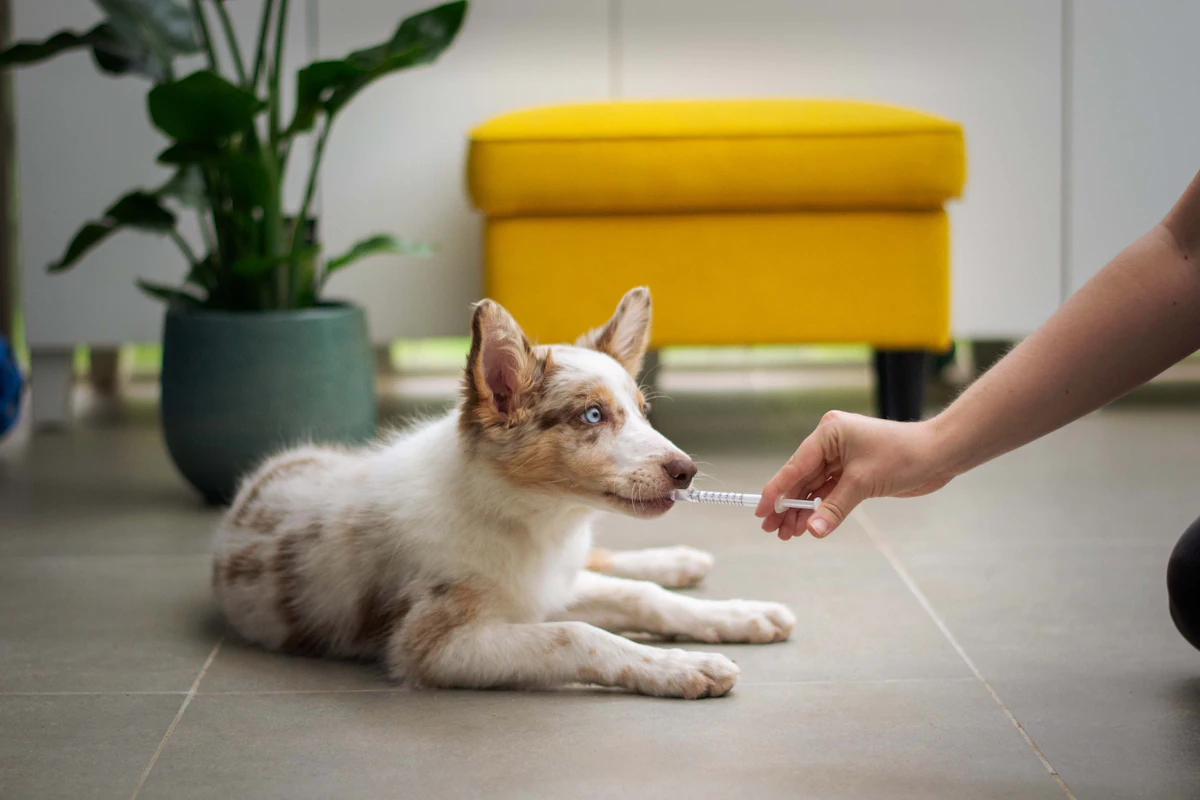
Sucralfate is a prescription medicine that sticks to ulcers and irritated tissue in a dog's digestive tract, shielding them from acid while they heal. It is used off-label in dogs, usually given by mouth two to four times a day on an empty stomach and spaced apart from other medications.
The information is current and up-to-date in accordance with the latest veterinary research. Learn more »
Sucralfate for dogs works more like a bandage than a typical drug. It does not reduce acid or kill bacteria. It settles onto damaged tissue in the gut and forms a protective layer, giving an ulcer a chance to heal.
The tricky part for owners is the schedule. This medicine can bind to food and other pills, so the clock matters as much as the dose. Get the timing wrong and your dog's other medications may not absorb properly.
Below, you will find what vets prescribe it for, how to fit it into a day, what to watch for, and where the evidence is thinner than many owners assume.
Key Takeaways
- It is a protective coating. Sucralfate binds to ulcerated tissue and shields it. It does not stop the stomach from making acid.
- Use in dogs is off-label. Vets commonly prescribe it, but it is not specifically approved for dogs. Your vet sets the dose.
- Timing is the main challenge. Give it on an empty stomach and at least 2 hours apart from other medications, unless your vet says otherwise.
- Constipation is the usual side effect. Serious reactions are uncommon because very little of the drug enters the bloodstream.
- Kidney disease needs a conversation. Dogs in kidney failure may absorb more of its aluminum.
- Blood changes everything. Black, tarry stool or blood in vomit needs prompt veterinary care.
1What Is Sucralfate?
Sucralfate is a compound of aluminum hydroxide and a sulfated form of sucrose. Carafate is its best-known brand name, which is why owners often search for Carafate for dogs. Sulcrate is another brand. Your pet pharmacy may also dispense a generic tablet or a liquid suspension, and some compounding pharmacies make flavored versions.
How It Works
According to the Merck Veterinary Manual, the drug breaks apart in stomach acid. One of the resulting pieces turns into a thick, sticky material that clings to ulcer sites. There it limits acid damage, deactivates the digestive enzyme pepsin and absorbs bile acids. It also encourages the gut lining to produce prostaglandins, which support tissue defense.
Because so little gets absorbed, most of the drug's action stays inside the digestive tract. That explains both its mild side-effect profile and why it can trap other medicines given at the same time.
2What Is Sucralfate Used for in Dogs?
Vets prescribe it when the lining of the digestive tract is, or may become, damaged. VCA Animal Hospitals lists ulcers and erosions in the mouth, esophagus, stomach and small intestine, including those linked to medications.
Ulcers themselves have many possible causes. Merck names anti-inflammatory drugs (NSAIDs), tumors and liver disease as the most frequently reported in dogs. Others include:
- Kidney disease and Addison's disease
- Major trauma or spinal disease
- Pancreatitis and other widespread inflammation
- Inflammatory bowel disease or a foreign object in the gut
- Extreme endurance exercise, such as sled racing
NSAIDs matter for many owners because dogs with arthritis or hip dysplasia often take them long term. If your dog on a pain medicine starts vomiting or refuses food, stop and call your vet before the next dose.
What the Evidence Says
It is worth knowing that sucralfate is not necessarily the strongest option. Merck describes limited evidence of benefit in animals, rates it below proton pump inhibitors (such as omeprazole) for treating stomach and upper small intestine ulcers, and says there is no clinical proof that adding it to acid-reducing therapy gives extra benefit.
That does not mean your vet made a poor choice. It may suit a specific situation, including esophageal or mouth injury, where a local coating makes clinical sense. It is simply reasonable to ask why it was chosen and whether your dog also needs an acid reducer.
3Sucralfate Dosage for Dogs
Your vet decides the dose, based on your dog's size, condition and other medications. For reference, Merck's published figures for dogs are 0.5 to 1 g by mouth, with one section listing every 8 to 12 hours and another every 6 to 8 hours. A separate Merck table scales by body size, giving smaller dogs 250 to 500 mg. These doses are extrapolated from human use rather than established in large canine trials.
Tablets commonly come in 1 g strength, so many dogs get a half or whole tablet. Follow the amount on your prescription label, not a chart online. Never replace a prescribed dose with your own Carafate, especially the liquid, without checking the product and amount with your vet.
4How to Give Sucralfate to a Dog
A practical routine looks like this:
- Empty stomach. Aim for about 1 hour before a meal or 2 hours after, unless told otherwise.
- Dissolve tablets if your vet allows. VCA notes tablets can be crushed and mixed in lukewarm water, then given by oral syringe into the cheek pouch.
- Shake the suspension. Measure liquid with the syringe supplied rather than a kitchen spoon.
- Finish the course. Do not stop because your dog looks better. The damage may not have healed.
Don't hide it in a big meal, which defeats the empty-stomach goal. If your dog will not take it without food, ask your vet for a workable compromise, as a small amount of food may be better than a missed dose in some cases.
Timing It Around Other Medications
Sucralfate can reduce the absorption of other oral drugs. Merck specifically flags fluoroquinolone and tetracycline antibiotics, plus the acid reducers cimetidine and ranitidine. VCA recommends keeping at least 2 hours between sucralfate and other medications.
A simple way to plan a day is to give the other medicines first, wait 2 hours, then give sucralfate before the next meal. Dogs on several drugs can be hard to schedule, so write out a chart and ask your clinic to check it. Include supplements and antacids too, since aluminum-containing antacids need extra care in dogs with kidney disease.
If You Miss a Dose
Give it when you remember, unless the next dose is nearly due. In that case, skip the missed one. Never double up.
5How Long Does It Take to Work?
VCA notes it can begin acting within 1 to 2 hours. Full healing takes much longer, and may need several weeks. Merck notes the best length of ulcer therapy in general has not been firmly defined, and human guidance suggests about 4 to 6 weeks.
Improvement may not always be visible at home, so keep any recheck appointments even if your dog seems back to normal.
6Sucralfate Side Effects in Dogs
Most dogs tolerate it well, since it acts locally. Constipation is the side effect you are most likely to notice. Vomiting is possible but is reported more often in cats.
Rare allergic reactions can develop, even after earlier doses went smoothly. Facial swelling, rash, fever or irregular breathing need urgent attention.
If your dog becomes constipated, call your clinic rather than adding a laxative or stool softener by yourself. New stool problems could also relate to the underlying illness.
7Which Dogs Need Extra Caution?
Tell your vet about all of these before starting:
- Kidney disease. Dogs in renal failure may absorb more aluminum.
- Existing constipation. The medicine may make it worse.
- Pregnancy or nursing. VCA says safety has not been established.
- Diabetes. Higher blood sugar has been seen in human diabetic patients. Its relevance to dogs is not known, but your vet should be aware.
- Known allergy to sucralfate. Do not use it.
- Trouble swallowing. Mention regurgitation or gagging, as giving any liquid medicine safely can be harder.
8When to Call the Vet
Sucralfate treats damage, but it can't fix a worsening ulcer. Contact your clinic the same day, or an emergency hospital if your dog looks unwell, for:
- Black, tarry stool, or bright red blood in stool
- Vomit containing blood or dark material resembling coffee grounds
- Pale gums, collapse or sudden weakness
- Vomiting that continues, or a refusal to eat
- A swollen, painful belly
- Facial swelling or trouble breathing
A bleeding or perforated ulcer is an emergency. Mild, brief symptoms are different, and our guide to diarrhea in a dog acting normally can help with judging those.
9Storage
Keep tablets in a tightly sealed, light-resistant container at room temperature. Do not freeze the liquid. For compounded products, follow the label, since storage and shelf life can differ. Store everything out of reach of pets and children.
Sources
- Merck Veterinary Manual, Drugs Used to Treat Gastrointestinal Ulcers in Monogastric Animals
- Merck Veterinary Manual, Gastrointestinal Ulcers in Small Animals
- Merck Veterinary Manual, Toxicoses From Human Analgesics in Animals
- VCA Animal Hospitals, Sucralfate
Frequently Asked Questions
?What is sucralfate used for in dogs?
It protects ulcers and erosions in the mouth, esophagus, stomach and small intestine so they can heal. Vets may use it when ulcers relate to medications or another underlying illness.
?Is Carafate for dogs the same as sucralfate?
Yes. Carafate is a brand name for sucralfate. Your vet may prescribe the brand, a generic or a compounded form, and the strength can vary, so check the label closely.
?Can I give sucralfate with food?
It is best given on an empty stomach, as food may interfere with how it binds. Ask your vet if your dog can't handle that or refuses the dose without food.
?Can sucralfate and omeprazole be given together?
Vets sometimes prescribe both, and you should keep to the schedule they give you. Merck notes that there is no clinical proof that adding sucralfate to acid suppression adds benefit, so it is fair to ask why both are needed.
?How long can a dog stay on sucralfate?
That depends on the cause and how quickly it heals. Courses often run for weeks. Your vet should guide the length and plan rechecks.
?What happens if my dog gets too much sucralfate?
Very little of it reaches the bloodstream, so serious effects are unlikely in a healthy dog, but constipation or vomiting are possible. Call your vet or a pet poison hotline with the amount, particularly if your dog has kidney disease.
?Can I give my dog human sucralfate?
Only if your vet tells you to and confirms the product and dose. Vets often prescribe the same active drug that people take, but a dog's dose differs and your dog may need a different treatment altogether.
Help us do better!
Was this article helpful and relevant?
Thanks for your feedback!
About Dr. Tomas Ellery
Dr. Tomas Ellery is an emergency and general-practice veterinarian who has spent fifteen years treating dogs in busy city clinics. He writes the health and symptom guides on VetsExplained and is a firm believer that owners who know what normal looks like catch disease earlier.
View all posts by Dr. Tomas Ellery →More from Dog Health



You Might Like
 Dog BreedsLabradoodle Dog Breed Guide: Temperament, Size, Grooming, Health and Care
 Dog BehaviorWhy Does My Dog Eat Grass? A Vet Separates Myth From Evidence
 Dog BreedsBernedoodle Dog Breed Guide: Temperament, Size, Coat, Health and Cost
 Dog BreedsCavapoo Dog Breed Guide: Size, Temperament, Health, Grooming and Cost