Dog ACL Surgery: Options, Recovery and How to Decide
 Written by Dr. Tomas Ellery, DVM
 Fact checked by Dr. Hannah Reyes, BVSc MRCVS
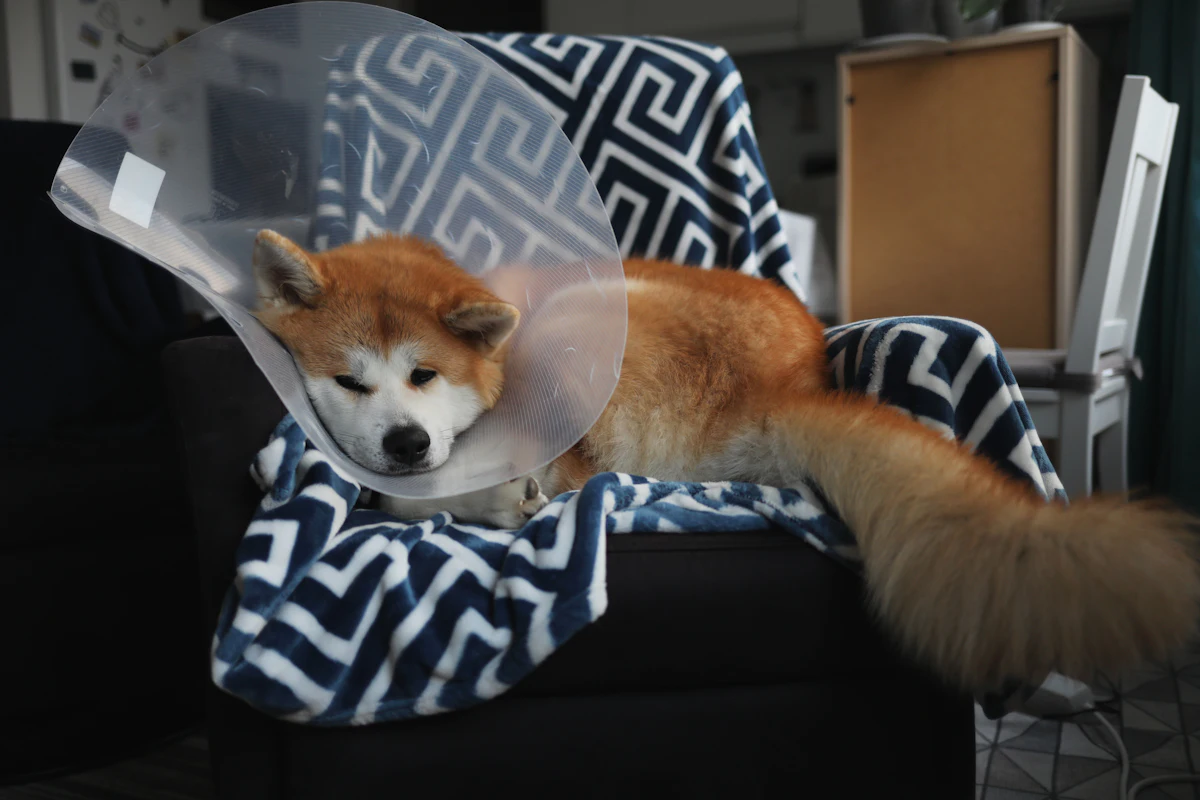
Dog ACL surgery stabilizes a knee after damage to the cranial cruciate ligament, the canine version of the human ACL. Common options are TPLO, TTA and lateral suture repair. Activity is restricted for at least several weeks, and function typically returns over about three months with careful rehabilitation.
The information is current and up-to-date in accordance with the latest veterinary research. Learn more »
A sudden three-legged limp after a run in the yard is how many owners first hear the phrase dog ACL surgery. The news often comes with a list of acronyms, a sizable estimate and a recovery plan that sounds daunting. It is a lot to take in at once.
The decision becomes easier when you break it into three questions: Does this knee need surgery, which procedure suits this dog, and can your household manage the recovery? This guide works through each, using specialist surgical guidance and the best published comparisons available.
Key Takeaways
- Dogs have a CCL rather than an ACL. It does the same basic job, and the two terms are used interchangeably.
- Most tears are not one-off accidents. The ligament usually weakens over time before it fails.
- Surgery is generally the most effective way to stabilize the knee. The American College of Veterinary Surgeons (ACVS) reports significant improvement in about 85 to 90% of cases.
- No single technique suits every dog. Size, age, activity and knee shape all influence the choice.
- Recovery decides much of the outcome. Expect restriction for weeks and a return to function around three months.
- The other knee is at risk. Estimates suggest 40 to 60% of dogs eventually have the same problem on the opposite side.
1Do Dogs Have ACLs?
Not by name. The human anterior cruciate ligament (ACL) corresponds to the cranial cruciate ligament (CCL) in a dog. "ACL in dogs" and "dog CCL" therefore describe the same structure, and "ACL surgery for dogs" and "CCL surgery in dogs" mean the same thing.
The CCL helps keep the shin bone from sliding forward under the thigh bone. Dogs stand with a bent knee, so this ligament is under load whenever they bear weight. Once it fails, the joint shifts with each step, causing pain, inflammation and often damage to the meniscus, the cartilage cushion within the knee.
2Why CCL Tears Happen
Human ACL tears are often sudden sports injuries. Canine tears usually follow a slower breakdown. According to ACVS and VCA Animal Hospitals, contributing factors include:
- Age-related ligament degeneration
- Excess body weight and poor fitness
- Genetics and limb shape
- Other knee problems, such as a luxating kneecap
- Breed tendencies, with Rottweilers, Newfoundlands, Mastiffs and Labrador Retrievers among those overrepresented
VCA adds that early desexing may play a role in some breeds. If you are weighing that decision, our guide to what neutered means is a good starting point, and your vet can advise for your dog's breed.
3Signs of a Torn CCL
A complete tear often causes sudden lameness, with the dog holding the leg up or barely touching the toes down. Partial tears are subtler and can worsen over time. Watch for:
- A limp that comes and goes, especially after rest
- Sitting with one back leg out to the side
- Trouble rising, jumping or using stairs
- Thigh muscle loss on one side
- Clicking from the knee or firm swelling on the inner shin
Your vet usually diagnoses the problem by feeling for abnormal movement in the joint, a test known as cranial drawer or tibial thrust. Mild sedation may help in a tense dog, and X-rays are typically taken when surgery is planned.
See a vet the same day if your dog cannot put any weight on a leg, seems in significant pain or has had a known accident. Other injuries can look similar, so do not assume it is the ligament.
4Types of Dog ACL Surgery
All of these aim to stop the painful shifting. During the operation, the surgeon also typically deals with torn ligament pieces and any damaged meniscus.
TPLO
Tibial plateau leveling osteotomy cuts and rotates the top of the shin bone, then secures it with a plate and screws. This changes the knee's mechanics so that it no longer depends on the torn ligament. TPLO is often favored for larger and active dogs.
TTA
Tibial tuberosity advancement also relies on bone cutting, but moves the front of the shin bone forward rather than rotating the top surface. The goal is the same: to neutralize the forward slide. Not every knee is a good candidate, so your surgeon will assess your dog's anatomy.
Lateral suture
This extracapsular repair places a strong artificial strand outside the joint to stabilize the knee while the body forms supporting tissue. It does not require a bone cut and tends to cost less. ACVS cautions that it may fail or lead to arthritis, particularly in large or young dogs.
Other techniques
Tightrope is another suture-based option. CBLO is a bone-cutting procedure sometimes used for young dogs whose growth plates are still open.
5TPLO vs TTA vs Lateral Suture: What the Evidence Says
A 2014 systematic review of 34 studies found the strongest support for TPLO in returning dogs to normal function, along with better intermediate recovery than lateral suture. It also found too little data to properly judge several other procedures.
A 2022 review with meta-analysis directly compared TPLO and TTA across 72 studies, only 11 of which were blinded randomized trials. Overall complication rates were similar, at about 20% for TPLO and 22% for TTA, and most dogs were not lame at long-term follow-up. The authors could not clearly favor one method because much of the research was of low quality.
So TPLO has the strongest research support, but that does not rule out other options. A surgeon's experience with a procedure, and your dog's particular knee, should weigh heavily.
6How to Choose
Ask your surgeon these questions:
- Which procedure do you recommend for this dog's weight, age and activity level, and why?
- How many of these do you perform?
- Was the meniscus damaged, and how will you check it?
- What complications do you see most often, and what would they mean for cost?
- What will recovery need from me, and is rehabilitation included?
A written estimate should state what it covers, including anesthesia, imaging, medicines, rechecks and rehabilitation. Prices vary widely by region and procedure, so request a local quote rather than relying on online averages.
7Dog ACL Surgery Recovery
Follow your surgeon's plan over any general schedule, including this one. VCA advises limiting and controlling activity for at least 6 to 8 weeks, with function typically returning within about three months when instructions are followed.
First two weeks: protect the leg and incision
- Keep your dog in a small, safe area when unsupervised, using a crate or pen as advised.
- Use leash-only potty breaks and non-slip flooring.
- Block stairs and furniture, using a sling if your surgeon recommends one.
- Keep a dog cone on to stop licking, and check the incision each day.
- Give pain medicines exactly as prescribed.
Middle weeks: rebuild with control
- Build up leash walks only as your surgeon directs.
- Start any prescribed range-of-motion or balance exercises. ACVS links rehabilitation with faster recovery and better outcomes.
- Attend rechecks, including any X-rays requested to assess bone healing.
- Offer food puzzles and short training sessions to ease boredom.
Later: return to normal
- Reintroduce activity in steps, not all at once.
- Keep your dog lean, as excess weight loads both knees.
- Ask before allowing off-leash running, jumping or rough play.
The hardest time often comes when your dog feels better before the leg has healed. A dog bursting out the door can undo weeks of progress, so use gates and leashes even when the limp has gone. A supportive orthopedic dog bed can also make rest more comfortable.
8Risks and When to Call
Possible complications include infection, implant failure, fracture, a later meniscal tear, persistent lameness and arthritis. Arthritis develops in all dogs with a rupture, according to VCA. Surgery can slow it but not prevent it.
Call your surgeon promptly about:
- Redness, swelling, heat, discharge or a gap at the incision
- A sudden return of limping or refusal to bear weight
- Worsening pain, or trouble settling
- Poor appetite, vomiting, diarrhea or marked lethargy
Seek emergency care for collapse, breathing difficulty or severe pain.
9What If Surgery Is Not an Option?
Age, other illness or finances may rule out surgery. ACVS lists non-surgical management such as pain relief, strict activity restriction, rehabilitation, joint supplements, custom braces and joint injections. Medication alone does not correct the instability, and the knee remains prone to further injury, so expectations should be realistic.
Ask your vet about a structured plan rather than simply waiting. Weight management is especially useful here, and it often overlaps with care for other joint issues, such as hip dysplasia.
Sources
- American College of Veterinary Surgeons. Cranial Cruciate Ligament Disease.
- VCA Animal Hospitals. Cruciate Ligament Rupture in Dogs.
- Bergh MS, et al. Systematic review of surgical treatments for cranial cruciate ligament disease in dogs. Journal of the American Animal Hospital Association. 2014;50(5):315-321. PubMed
- Wemmers AC, et al. Surgical treatment of cranial cruciate ligament disease in dogs using Tibial Plateau Leveling Osteotomy or Tibial Tuberosity Advancement: a systematic review with a meta-analytic approach. Frontiers in Veterinary Science. 2022;9:1004637. PMC
Frequently Asked Questions
?Is ACL surgery worth it for a dog?
For many dogs, yes. ACVS reports significant improvement in about 85 to 90% of cases. It may be a harder call with serious illness, so discuss your dog's overall health, likely quality of life and your capacity to manage recovery.
?Can a dog walk after ACL surgery?
Many dogs start using the leg gently soon after surgery, but that does not mean walks can resume. Keep to brief, leashed outings as directed by your surgeon, and increase them only as advised.
?How long is dog ACL surgery recovery?
Expect controlled activity for at least 6 to 8 weeks, and a return of function at around three months. Some dogs need longer, particularly when there are complications or both knees are involved.
?What happens if a dog's torn CCL is not repaired?
The knee remains unstable, and arthritis tends to progress faster than with surgery. Some dogs improve with conservative care, yet medication alone does not fix the instability.
?Will my dog tear the other knee?
It is a real possibility. ACVS estimates 40 to 60% of dogs develop disease in the opposite knee over time. Keeping your dog lean and following recovery rules helps, because the other leg carries extra load during healing.
?Is a CCL tear the same as a human ACL tear?
It affects the equivalent structure, but the cause usually differs. Most human tears are sudden sports injuries, while dogs' ligaments typically deteriorate over time before failing.
Help us do better!
Was this article helpful and relevant?
Thanks for your feedback!
About Dr. Tomas Ellery
Dr. Tomas Ellery is an emergency and general-practice veterinarian who has spent fifteen years treating dogs in busy city clinics. He writes the health and symptom guides on VetsExplained and is a firm believer that owners who know what normal looks like catch disease earlier.
View all posts by Dr. Tomas Ellery →More from Dog Health



You Might Like
 Dog BreedsLabradoodle Dog Breed Guide: Temperament, Size, Grooming, Health and Care
 Dog BehaviorWhy Does My Dog Eat Grass? A Vet Separates Myth From Evidence
 Dog BreedsBernedoodle Dog Breed Guide: Temperament, Size, Coat, Health and Cost
 Dog BreedsCavapoo Dog Breed Guide: Size, Temperament, Health, Grooming and Cost