Dog Eye Infection: Signs, Treatment and When It Is an Emergency
 Written by Dr. Tomas Ellery, DVM
 Fact checked by Dr. Hannah Reyes, BVSc MRCVS
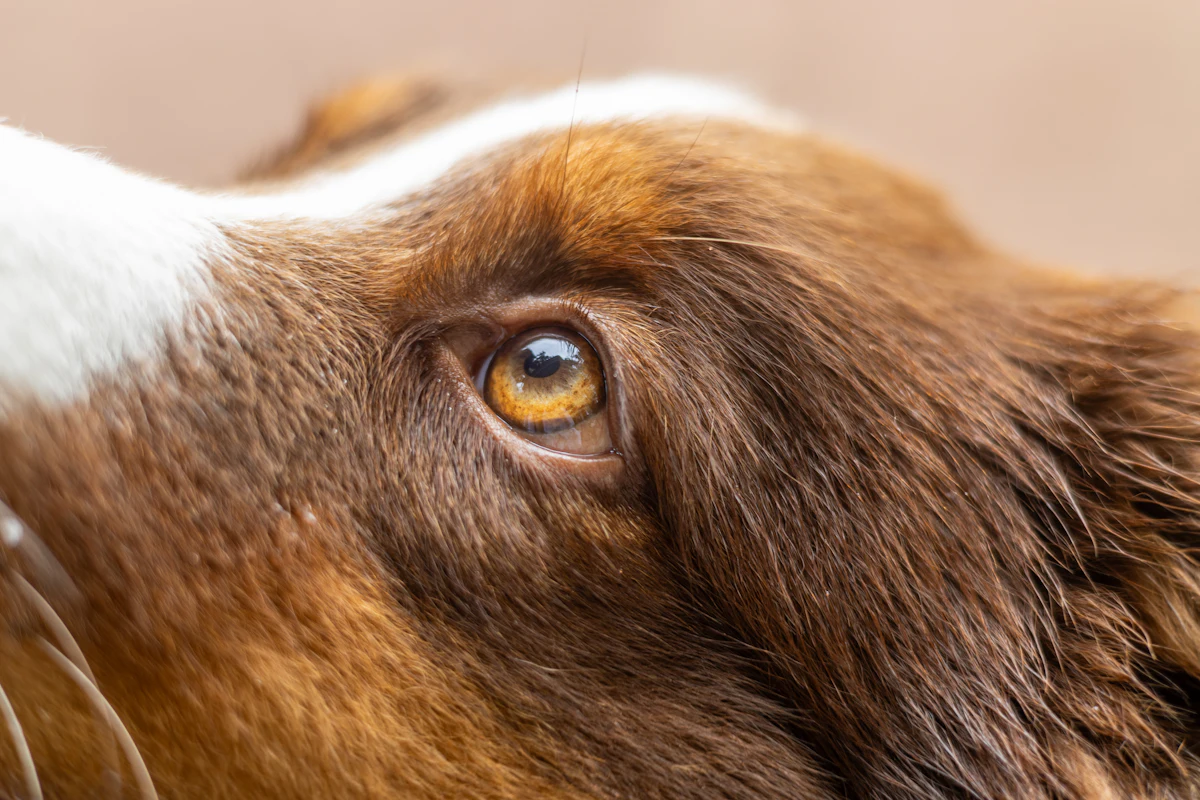
A dog eye infection usually causes redness, squinting, swelling and yellow or green discharge. Conjunctivitis looks similar but has many non-infectious causes, including allergies, dry eye and injury. Your dog needs a vet exam within about a day, or the same day if the eye seems painful, cloudy or swollen shut.
The information is current and up-to-date in accordance with the latest veterinary research. Learn more »
A sticky, reddened eye is easy to label as a dog eye infection, but plenty of other problems look almost the same. Allergies, a scratch, a grass seed, dry eye and glaucoma can all produce redness and discharge, and some of them can threaten vision quickly.
That is why the question to ask first is not "which drops?" but "how urgent is this?" Here is how to sort the warning signs, what you can safely do before the appointment, and what treatment usually involves.
Key Takeaways
- Red eye does not always mean infection. Antibiotics will not fix allergies, dry eye, glaucoma or a trapped foreign object.
- Squinting signals discomfort. A dog holding an eye shut should be seen the same day.
- Home care is first aid only. Gently cleaning discharge is fine, but it does not treat the cause.
- Never use old or human eye medication. Some products can seriously worsen a corneal ulcer.
- Most cases do well. The outlook is very good when the actual cause is identified and treated.
1Dog Eye Infection or Conjunctivitis: What Is the Difference?
Conjunctivitis is inflammation of the conjunctiva, the pink tissue lining the eyelids and surrounding the white of the eye. It describes what is happening in the tissue, not why. "Pink eye" is the everyday name for the same thing.
An eye infection means bacteria, viruses or other organisms are involved. Infection is one possible cause of conjunctivitis, and it can also affect the cornea or eyelids.
So, can dogs get conjunctivitis? Yes. But conjunctivitis in dogs is frequently a sign of something else, and VCA Animal Hospitals lists tear film problems, eyelid or tear duct abnormalities, immune conditions, corneal ulcers, glaucoma and uveitis among the possibilities.
2Signs of an Eye Infection in Dogs
Watch for any mix of the following:
- Red or pink tissue around the eye
- Yellow, green or cloudy discharge
- Swollen eyelids
- Frequent blinking or squinting
- Pawing at the face or rubbing it on furniture
- Sensitivity to bright light
- The third eyelid showing at the inner corner
A small amount of clear or slightly crusty material in the corner after sleep is often nothing to worry about. Thick colored discharge, or any change paired with discomfort, is different.
3Same-Day Warning Signs
Contact a vet or emergency clinic right away if you see:
- An eye held shut, or obvious pain
- A cloudy, blue or white surface on the eye
- A bulging or enlarged eye
- A visible wound, or something stuck in the eye
- One pupil larger than the other
- Sudden bumping into things or other signs of vision loss
- Eye trouble after a fight, scratch or collision
- Fever, lethargy, poor appetite, or coughing with nasal discharge, particularly in an unvaccinated puppy
Two reasons explain the urgency. VCA describes corneal ulcers as very painful, and deep ones can progress to irreparable damage. Acute glaucoma, a dangerous rise in eye pressure, is an emergency because it can permanently damage the optic nerve, according to Cornell University's Riney Canine Health Center.
4Common Causes
Clues such as one eye versus both can help, though they do not replace an exam. The Merck Veterinary Manual notes that one-sided problems raise suspicion of a foreign object, tear sac inflammation or dry eye, while viruses and bacteria commonly involve both eyes.
- Bacteria. Staphylococci are among those named by VCA.
- Viruses. Canine distemper and canine herpesvirus can cause eye signs, sometimes along with sneezing or coughing. Puppies who have not finished their vaccines deserve particular caution, and a cough alongside eye discharge needs a vet's attention, as it can be more than simple kennel cough.
- Allergies and irritants. Pollen and dust mites can inflame both eyes. The AKC also mentions shampoo and dirty pond water as triggers.
- Dry eye. Known medically as keratoconjunctivitis sicca, this leaves too few tears. It often causes thick mucus, and bacteria build up easily.
- Corneal injury. Rubbing, sand, sticks or thorns can scratch the clear front layer of the eye.
- Eyelid problems. Abnormal eyelids can irritate the eye and may need surgery.
Long facial hair may also bother the eyes in some dogs. If that applies to yours, our doodle grooming guide offers tips for keeping the face tidy.
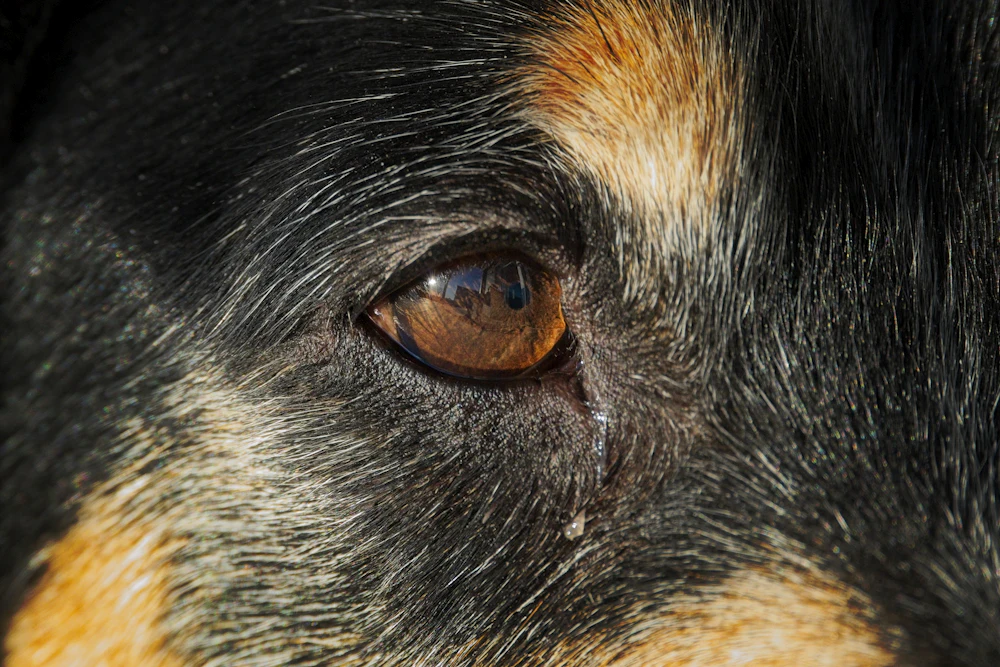
5What Happens at the Vet
Appearance alone rarely gives the answer, so expect a full look at the eye plus a few quick tests:
- Fluorescein stain reveals scratches and ulcers on the cornea.
- Schirmer tear test measures tear production.
- Eye pressure measurement checks for glaucoma.
- Cytology or culture may be used to identify organisms.
- Biopsy or allergy testing is occasionally needed for stubborn disease.
These tests are why one exam is worth more than a week of guessing. The stain in particular matters before any steroid is used.
6Dog Pink Eye Treatment
Treatment depends on the cause, and a vet may combine several of these:
- Antibiotic drops or ointment for bacterial infection. Terramycin is one familiar example, but it only helps when bacteria are part of the problem.
- Anti-inflammatory medication for allergic or immune conditions, once the cornea has been checked.
- Tear stimulants and lubricants for dry eye, which may be lifelong.
- Pain relief and a cone when the cornea is damaged, so the dog cannot rub the eye.
- Foreign object removal or surgery for trapped material or eyelid defects.
Follow the schedule closely. Eye medicine often needs several daily doses, and your vet decides the product and frequency. For corneal ulcers, VCA advises a recheck after two to three days and notes that superficial ones usually heal in three to five days. Do not stop treatment early without your vet's approval, even if the eye looks better.
If the eye gets worse rather than better after a day or two, or pain returns, call the clinic.
7Dog Eye Discharge Home Remedy: What Is Safe
Searches for a dog eye discharge home remedy turn up all kinds of ideas, and most are best avoided. These steps are reasonable while you arrange an exam:
1. Wash your hands. 2. Wet a clean cotton ball with lukewarm water. The AKC describes this gentle approach as first aid. 3. Wipe away from the eye. Do not touch the eye's surface, and use a fresh piece for each eye. 4. Prevent rubbing. Use a soft cone if you have one, since pawing can turn a small problem into a corneal wound. 5. Take a photo. Eye signs can change, and a picture shows your vet how it looked earlier. 6. Note any exposures. Bath products, a walk through long grass, or a recent kennel stay can all be useful clues.
Dog Red Eyes Home Remedy Ideas To Skip
- Human eye drops, especially "redness relief" types. The AKC warns that human medication may be inappropriate and could make things worse.
- Leftover pet medication. A steroid drop left over from a previous problem can slow healing and cause serious complications if an ulcer is present, according to VCA.
- Tea, vinegar, breast milk or herbal washes. None are sterile eye products, and they have no place in a sore eye.
The AKC advises seeking veterinary care if an eye problem does not resolve within about a day, because infections can escalate quickly.
8Outlook and Prevention
VCA describes the prognosis for most conjunctivitis cases as very good. Severe or recurrent cases depend on the underlying problem. Dry eye and immune conditions may need lifelong treatment, while eyelid defects corrected by surgery typically do very well.
You can lower the odds of problems with some simple habits:
- Keep vaccines up to date, as distemper is one infection that can involve the eyes
- Shield your dog's eyes during baths
- Check eyes after walks through brush or tall grass
- Book a visit whenever an eye looks different for more than a day
9Related reading
Sources
- Merck Veterinary Manual, Disorders of the Conjunctiva in Dogs
- VCA Animal Hospitals, Conjunctivitis in Dogs
- VCA Animal Hospitals, Corneal Ulcers in Dogs
- American Kennel Club, Dog Eye Infections: Symptoms, Causes, and Treatment
- Cornell University Riney Canine Health Center, Glaucoma
Frequently Asked Questions
?How can I tell if my dog has an eye infection?
Look for redness, swelling, squinting, pawing, and yellow or green discharge. These signs also fit other eye diseases, so only an exam can confirm the cause.
?Can a dog eye infection heal on its own?
Some mild irritation clears quickly, but infections and corneal injuries can worsen fast. Have your vet check any problem that lasts about a day or involves pain.
?Can dogs get conjunctivitis from other dogs?
Yes, when an infectious agent such as canine distemper virus is responsible. Allergic, dry eye and injury-related cases do not spread, but keep a dog with a suspected infection away from other dogs until they are examined.
?Can I use human eye drops on my dog?
No, not unless your vet recommends a specific product. Human drops and old prescriptions may be wrong for the condition and can make some eye problems worse.
?Is eye discharge in dogs an emergency?
Not by itself. It becomes urgent when paired with a closed or painful eye, cloudiness, swelling, injury or vision changes.
?How long does conjunctivitis last in dogs?
It depends on the cause, so ask your vet what to expect. Continue treatment for the full time recommended, and note that chronic conditions may need ongoing care.
Help us do better!
Was this article helpful and relevant?
Thanks for your feedback!
About Dr. Tomas Ellery
Dr. Tomas Ellery is an emergency and general-practice veterinarian who has spent fifteen years treating dogs in busy city clinics. He writes the health and symptom guides on VetsExplained and is a firm believer that owners who know what normal looks like catch disease earlier.
View all posts by Dr. Tomas Ellery →More from Dog Diseases And Medical Conditions



You Might Like
 Dog BreedsLabradoodle Dog Breed Guide: Temperament, Size, Grooming, Health and Care
 Dog BehaviorWhy Does My Dog Eat Grass? A Vet Separates Myth From Evidence
 Dog BreedsBernedoodle Dog Breed Guide: Temperament, Size, Coat, Health and Cost
 Dog BreedsCavapoo Dog Breed Guide: Size, Temperament, Health, Grooming and Cost