Why Is My Dog Licking His Paws? Causes and What To Do
 Written by Dr. Tomas Ellery, DVM
 Fact checked by Dr. Hannah Reyes, BVSc MRCVS
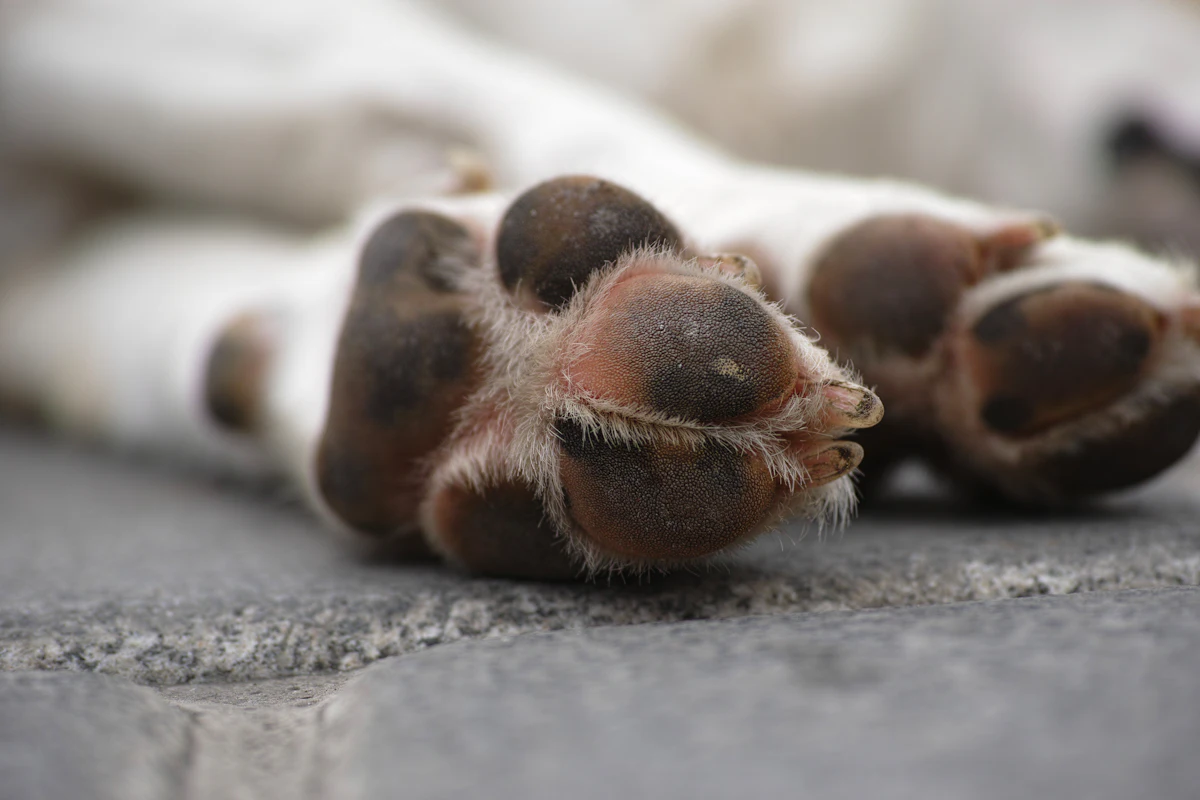
A dog licking paws occasionally is just grooming. Constant licking or chewing most often means allergies, followed by infection, parasites, an injury, a foreign object, joint pain or anxiety. One sore paw suggests injury, while all four suggest allergy. See a vet for redness, swelling, odor, limping or licking that keeps returning.
The information is current and up-to-date in accordance with the latest veterinary research. Learn more »
A quick clean after a muddy walk means nothing. A dog who licks the same paws every evening, wakes you up doing it, or starts biting at the toes is usually telling you something feels wrong.
Dog licking paws is one of those habits with many possible causes, and it can easily turn into a cycle. Moist, irritated skin feels itchier, which leads to more licking, which damages the skin further and invites infection.
The good news is that a few simple observations can narrow things down before you even reach the vet. Here is what to look at, what is safe to try at home and when a paw problem needs professional help.
Key Takeaways
- Allergy is the most common cause of ongoing paw licking, according to VCA Animal Hospitals.
- One paw vs. many paws is a useful clue. One paw points to injury or a foreign object. Several paws suggest allergy or another whole-body cause.
- Rust-colored fur between the toes is a common sign of long-term licking.
- Secondary yeast and bacterial infections are common and keep the itch going.
- Behavior is usually a diagnosis of exclusion. Rule out itch and pain first.
- Do not scold. It does not treat the cause and can add stress.
1Is Paw Licking Normal?
Some paw licking is ordinary grooming, especially after a walk or a meal. Think of it as normal if it is brief, only happens now and then, and leaves the skin looking healthy.
It becomes a concern when your dog is constantly licking paws, when it interrupts rest, or when it is hard to distract them. Look at the paws too. Redness, swelling, odor, hair loss or discolored fur all suggest there is more going on.
2Check the Paws: A Quick Home Look
In good light, gently look at the top, bottom and between each toe. A photo helps your vet too. Back off if your dog shows pain, because a sore dog can snap.
- One paw, sudden onset: Think of cuts, damaged nails or splinters.
- Several paws, on and off for weeks or seasons: Think of allergies.
- Red skin, greasy feel or musty smell: Think of yeast or bacterial infection.
- A lump between the toes: Think of an interdigital furuncle, which needs a vet.
- Normal skin, licking during quiet or stressful times: Think of pain or behavior after a vet has ruled out medical causes.
- Limping or a stiff gait: Think of injury or joint pain.
3Why Do Dogs Lick and Chew Their Paws?
Allergies
VCA calls allergies the most common reason dogs lick their paws. In atopic dermatitis, a dog reacts to things in the environment such as pollen or dust mites. Merck lists the paws among the most frequently affected areas, along with the ears, face and belly. Signs usually begin between 6 months and 3 years of age.
Food allergy can look very similar. VCA lists itchy skin, ears and paws among the signs, sometimes with stomach upset. Beef, dairy, chicken, eggs, soy and wheat are among common triggers, though almost any ingredient can be involved.
Contact allergies and irritants can matter too. A dog that only chews its feet after certain walks or after the floor is cleaned offers a useful clue.
If you also notice itching on the tummy, our guide to a rash on the belly and inner thighs may help.
Yeast and bacterial infections
Once skin has been damaged, yeast such as Malassezia and bacteria such as Staphylococcus can move in. That adds more itch, odor and greasiness, and it can keep a dog licking after the original trigger has calmed down. These infections often need treating at the same time as the allergy.
Fleas, mites and other parasites
Flea allergy typically shows up around the lower back, tail base and rear legs, but fleas and ticks can also make paws very itchy. One bite can cause days of itching, and you may never see the flea. Look for flea dirt in the coat and keep prevention up all year as your vet advises.
Mites called Demodex and hookworm larvae can also affect the feet. Merck lists both among possible triggers of deep paw infections.
Injuries and foreign objects
Cuts, damaged nails and foreign objects such as splinters can all prompt sudden licking of a single paw.
Interdigital furuncles ("cysts")
These painful red lumps between the toes are deep infections, not true cysts, as Merck explains. Allergies, friction from body shape, rough surfaces like concrete and wire, and breed all play a role. Bulldogs, Labrador Retrievers and Shar Peis are among the predisposed breeds. Treatment can take weeks.
Joint pain
Dogs sometimes lick over a painful spot. Arthritis or an old fracture can make a dog lick a paw or leg even though the skin started out healthy. Look for stiffness when your dog gets up.
Anxiety, boredom and compulsive licking
Stress, frustration and conflict can drive repetitive licking, and in some dogs it becomes compulsive. VCA explains that the concern begins when the licking causes sores or continues despite pain. Dogs can also develop a lick granuloma, a thick, raw sore usually found on the front leg near the wrist.
Medical causes should be ruled out first. Boredom is often blamed, but an itchy dog simply has more time to lick when the house is quiet.
Less common causes
VCA also lists immune diseases, hormonal disease such as hypothyroidism or Cushing's disease, and tumors. A sore or lump on just one foot that does not heal needs a prompt check. These are less common, but they are the reason long-term licking should not be ignored.
4When To See the Vet
Book an appointment soon if you notice:
- Licking that lasts more than a few days or keeps coming back
- Red, swollen, greasy or smelly paws
- Rust-colored staining, hair loss or sores
- Licking with ear infections or itching elsewhere
Get seen the same day if you notice:
- Limping or refusal to put weight on the foot
- Bleeding, a deep cut or a painful swelling
- A draining hole or pus
- A torn nail or an object stuck in the paw that you cannot easily remove
- Your dog seems unwell, feverish or off their food
5What Your Vet May Do
Expect a look at the whole dog, not just the feet. Common steps include:
- Skin cytology: A sample examined under a microscope for yeast and bacteria
- Skin scrapings or hair plucks: A check for mites and other problems
- A food trial: A strict prescription or hypoallergenic diet for 8 to 12 weeks, with no other treats or flavored products
- Allergy tests: Blood or skin testing, usually to guide immunotherapy rather than to make the diagnosis
- X-rays: To check for joint disease or a foreign object
- Culture or biopsy: For infections or lumps that do not respond
6How To Stop a Dog From Licking Paws
Treatment works best when it targets the cause. Your vet might suggest:
- For allergies: Medicines such as oclacitinib or lokivetmab, allergen immunotherapy, topical products and regular bathing. Merck says immunotherapy is considered the treatment of choice by most veterinary dermatologists, though it can take up to 12 months to work.
- For infection: Medicated shampoos, wipes or soaks, plus oral medicine in more serious cases.
- For parasites: Flea and tick control, or a targeted parasite treatment.
- For pain: Pain relief and a joint care plan.
- For behavior: More exercise, enrichment, reward-based training and sometimes medication under a veterinarian or behaviorist.
Antihistamines have limited benefit on their own during flare-ups, according to Merck, though they may help some dogs with chronic allergies when combined with other treatments. If your vet does suggest one, our guide to Zyrtec for dogs explains what to check first.
7What You Can Do at Home
These steps are low risk and can support your vet's plan, but they will not fix an underlying problem.
- Rinse paws after walks with plain water, then dry well between the toes. Merck recommends regular bathing to reduce allergens on the skin.
- Keep the fur between the toes tidy with blunt scissors if it holds debris and moisture, or ask your groomer.
- Use a physical barrier when needed. A cone can give skin time to heal. Remember that it is a short-term fix.
- Add enrichment. Food puzzles, chews and training games give your dog another job, especially at the times they usually lick.
- Teach a replacement. Reward settling on a mat, and calmly redirect your dog rather than scolding them.
- Keep records. Note the time of year, the walks you took, any new foods and any cleaning products you used.
Avoid home remedies without vet approval, because dogs will lick off whatever you apply. An oatmeal bath is a gentler option some vets suggest, but ask yours first.
8Can Food Help?
Only if food is part of the cause. If your vet suspects food allergy, the trial must be strict, because one flavored chew can spoil weeks of effort. Changing brands at random rarely gives a clear answer. If your vet thinks diet may help, our guide to food for sensitive skin can start the conversation.
Sources
- VCA Animal Hospitals: True or False? Paw Licking Is Often Caused by Itchiness
- VCA Animal Hospitals: Pododermatitis in Dogs
- VCA Animal Hospitals: Food Allergies in Dogs
- VCA Animal Hospitals: Flea Allergy Dermatitis in Dogs
- VCA Animal Hospitals: Lick Granuloma in Dogs
- VCA Animal Hospitals: Compulsive Disorders in Dogs
- Merck Veterinary Manual: Atopic Dermatitis in Dogs
- Merck Veterinary Manual: Interdigital Furunculosis in Dogs
Frequently Asked Questions
?Why does my dog lick his paws at night?
Night is when the house is quiet and there are fewer distractions, so itch and pain become more noticeable. Mention the timing to your vet, as it does not rule out allergies or joint pain.
?What does it mean when dogs lick their paws a lot?
It usually means itch, pain or stress. Allergies top the list. Look at how many paws are involved, whether the skin has changed, and whether there is a seasonal pattern.
?Why is my dog biting his foot?
Biting at the foot often suggests strong itch or something stuck in the paw, such as a splinter. Check gently between the toes. A vet should see any swelling, limping or draining hole.
?Why are my dog's paws reddish-brown?
Saliva can stain light-colored fur a rusty brown. On its own this tells you there has been long-term licking. Yeast can also change the skin color and smell, so a skin sample is often worthwhile.
?Should I stop my dog from licking his paws?
Gently distract your dog, but do not punish them, as they are responding to itch, pain or stress. Focus on finding the reason. Use a cone or other barrier only if the licking is damaging the skin.
?Is paw licking a sign of anxiety?
It can be, especially if the paws look healthy and the licking follows stressful events. Even so, VCA advises checking for pain and itch before settling on a behavioral explanation.
?Can I use human allergy medicine for my dog's paws?
Not without your vet's advice. Antihistamines often do little on their own, and your vet can check whether a product and dose are suitable for your dog.
Help us do better!
Was this article helpful and relevant?
Thanks for your feedback!
About Dr. Tomas Ellery
Dr. Tomas Ellery is an emergency and general-practice veterinarian who has spent fifteen years treating dogs in busy city clinics. He writes the health and symptom guides on VetsExplained and is a firm believer that owners who know what normal looks like catch disease earlier.
View all posts by Dr. Tomas Ellery →More from Dog Health



You Might Like
 Dog BreedsLabradoodle Dog Breed Guide: Temperament, Size, Grooming, Health and Care
 Dog BehaviorWhy Does My Dog Eat Grass? A Vet Separates Myth From Evidence
 Dog BreedsBernedoodle Dog Breed Guide: Temperament, Size, Coat, Health and Cost
 Dog BreedsCavapoo Dog Breed Guide: Size, Temperament, Health, Grooming and Cost