Flea Dirt on Dogs: What It Looks Like and How to Test for It
 Written by Dr. Tomas Ellery, DVM
 Fact checked by Dr. Hannah Reyes, BVSc MRCVS
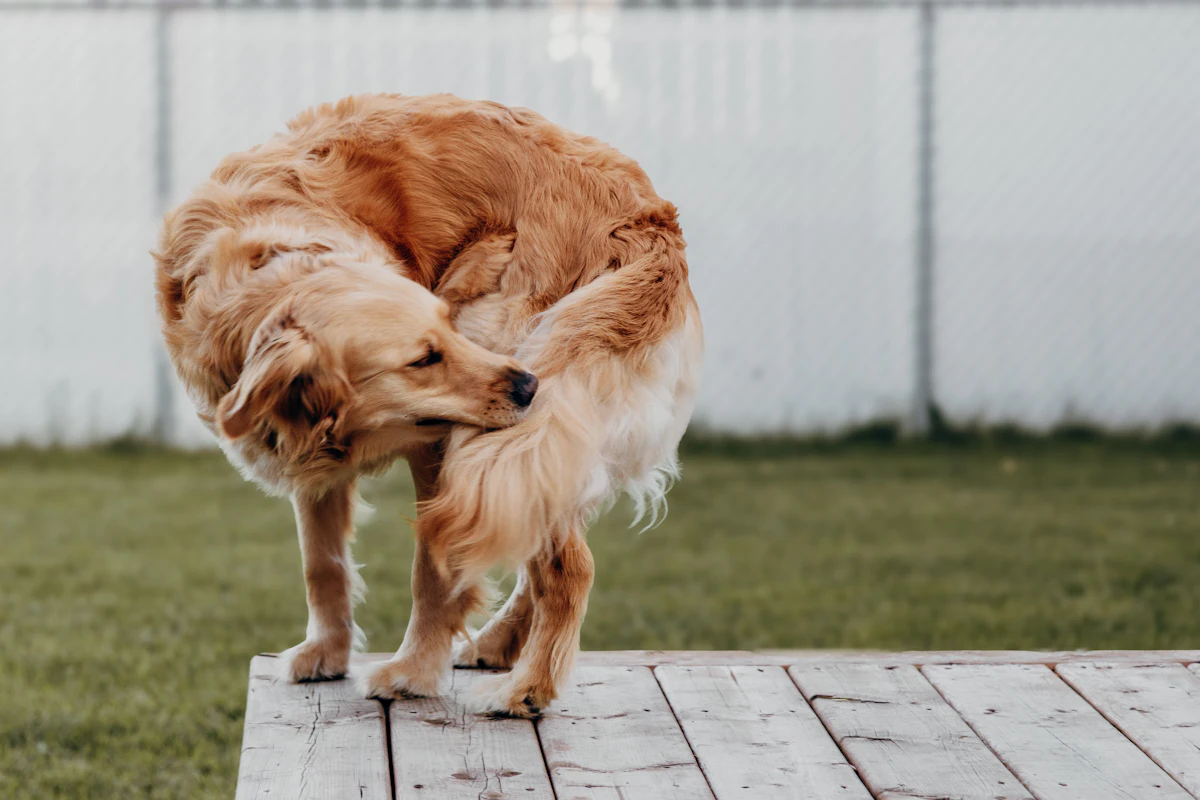
Flea dirt is flea poop: tiny reddish-black specks of digested blood left in a dog's coat. To confirm it, crush the specks on a damp white paper towel. Flea dirt dissolves into a reddish-brown smear, while ordinary dirt does not. A positive test means your dog needs flea control, even with no fleas in sight.
The information is current and up-to-date in accordance with the latest veterinary research. Learn more »
Flea dirt is often the first sign of fleas that an owner notices. You part your dog's fur and find tiny black specks that look like ground pepper, and there may not be a single flea in sight.
Those specks are worth a one-minute check. Flea dirt is the droppings of adult fleas, so finding it means fleas have been feeding on your dog. This guide explains what flea dirt looks like, how to run the paper towel test, why you can see flea dirt but no fleas on a dog, and what to do once you know.
Key Takeaways
- Flea dirt is flea feces. It is digested blood, which is why it turns reddish brown when wet.
- The damp paper towel test is the quick check. Crushed flea dirt leaves a reddish-brown smear, and soil does not.
- Look at the lower back, tail base and thighs first. The Merck Veterinary Manual links these areas most closely with flea allergy in dogs.
- Flea dirt but no fleas still counts. Adult fleas move fast and dogs groom them away.
- Washing it off is not the cure. Eggs, larvae and pupae live in the home, so you need vet-recommended flea control and some work at home.
- Puppies and frail dogs can be at risk. Heavy flea burdens can cause anemia, so pale gums or weakness need urgent care.
1What Is Flea Dirt?
Flea dirt, also called flea poop, flea droppings or flea feces, is the waste adult fleas pass after feeding on blood. VCA Animal Hospitals describes it as flea excrement made of digested blood. It is not soil, and it does not mean your dog or your home is unclean.
The droppings also play a part in the flea life cycle. According to the Merck Veterinary Manual, flea larvae feed on debris in the environment and on adult flea droppings. Specks that fall onto bedding or carpet can feed the next generation.
You may also see the terms "flea dust" and "flea dander." Neither is a standard veterinary term. People generally use them for the same dark specks, or for flakes and debris in an itchy dog's coat. The test below tells you which one you are looking at.
2What Does Flea Dirt Look Like?
So what does flea poop look like up close? The Merck Veterinary Manual describes it as reddish black, cylindrical, and pellet or comma shaped. To the naked eye, most owners see something like coarse black pepper.
Flea dirt on dogs tends to show up:
- At the base of the tail and along the lower back
- On the back of the thighs and around the hips
- On the belly and groin, where the skin is easy to see
- On the dog's bedding, in the spots where they sleep
On a dark dog, the specks can be hard to see against the coat. Comb over a sheet of white paper, then look at what falls on it.
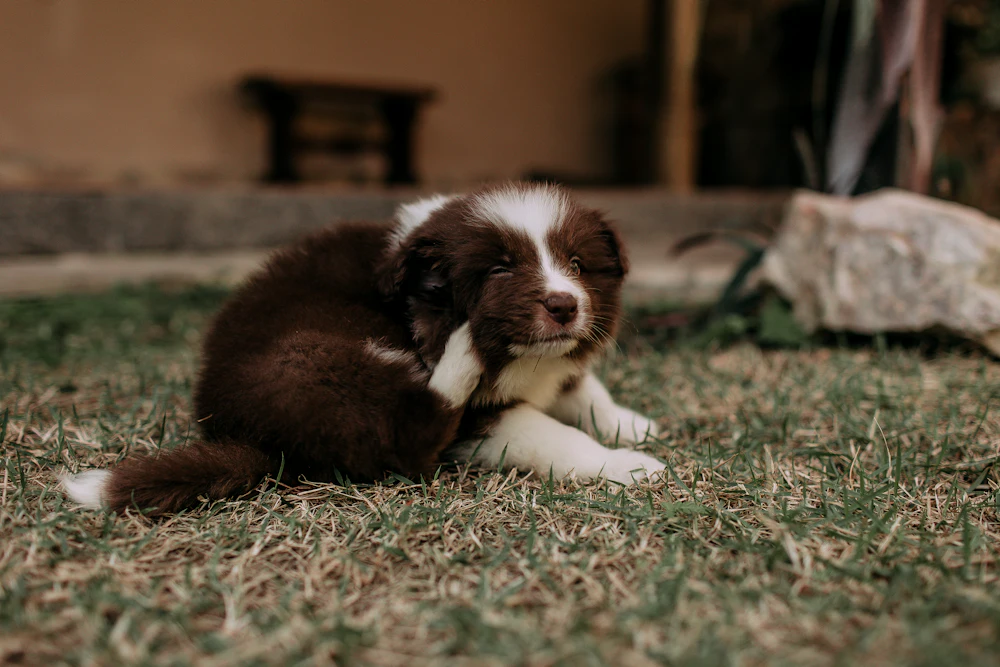
3The Paper Towel Flea Dirt Test
The paper towel flea dirt test works because flea excrement dissolves in water and leaves a reddish-brown color. The Merck Veterinary Manual describes this same check.
1. Stand your dog over a white paper towel or a light-colored sheet. 2. Run a fine-toothed flea comb through the coat, focusing on the lower back and tail base. Merck mentions combs with 32 teeth per inch. 3. Tap the comb so the specks fall on the towel, or pick a few from the coat. 4. Dampen the towel with a little water. 5. Crush the specks and wait a moment.
Here is how to read the flea dirt test:
- Reddish-brown smear or halo: This is flea dirt. Treat your dog and your home.
- Stays black or gray, or smears like mud: It is probably soil or other debris. Retest if your dog is itchy.
- Not sure: Save a sample on a piece of tape or in a small bag and show your vet.
4Flea Dirt vs Live Fleas: Are Fleas Black?
Owners often search "black fleas" because the specks they see are black. Adult fleas are usually a dark reddish brown and can look black against pale skin. Unlike flea dirt, they have legs, a body flattened from side to side, and a habit of darting away or jumping.
A few quick ways to tell what you have found:
- Flea dirt: A tiny speck with no legs that does not move and smears reddish brown when wet.
- Live flea: Dark and quick to run through the coat.
- Dead flea: The same body shape with visible legs, but no movement. Finding a dead flea on your dog can simply mean a flea product is working, because many only kill fleas after they have bitten.
- Flea eggs: Are flea eggs black? No. VCA describes them as tiny white specks, about the size of dust particles.
Other possibilities include soil, dried skin debris and scabs, which is why the wet test beats judging by eye.
5Flea Dirt but No Fleas: What It Means
Flea dirt but no fleas on a dog is a common finding, and it usually does not mean the test was wrong. Several things can explain it:
- Grooming removes fleas. Merck notes that very sensitive animals, especially cats, can be almost flea-free because they groom so much.
- Fleas are hard to catch. They are small and fast, and low numbers are easy to miss in a thick coat.
- The fleas may be gone. Specks can stay in the coat after fleas have died or been groomed away.
- A preventive is working. Merck explains that many products do not repel fleas, so fleas can bite for 6 to 24 hours before dying, and you may see a few for up to 8 weeks.
Merck also notes that when evidence of fleas is hard to find, a response to parasite control can itself help with the diagnosis. If your dog is itchy and the test is negative, do not assume it is fleas. Merck lists food and respiratory allergies, mange and hair follicle infections as conditions that can look similar, and those need a vet.
6Does Flea Dirt Harm Dogs or People?
The specks themselves are not the main issue for most healthy dogs. They are a marker for a parasite that can cause several problems.
For dogs:
- Flea allergy dermatitis. Flea saliva triggers an allergic reaction. Merck describes intense itching over the hips, tail base and thighs, which can lead to hair loss, scabs and secondary skin infection. Cases peak in late summer.
- Anemia. Merck and VCA both warn that puppies and older or debilitated dogs with heavy infestations can lose enough blood to become anemic.
- Tapeworms. The CDC explains that animals can become infected by swallowing an infected flea. VCA advises that a dog with fleas is likely to have tapeworms too, so ask your vet whether a dewormer is needed.
For people, the CDC says fleas can spread germs through feeding and when infected flea feces are scratched into a wound. Murine typhus and cat scratch disease are both linked to cat fleas or their feces, and Merck says most fleas on dogs are cat fleas. Wash your hands after combing, clean any broken skin, and see a doctor if you become unwell after flea exposure.
7How to Get Rid of Flea Dirt
Flea dirt rinses off with water, but the real job is to remove the source. Work through these steps in order.
Step 1: Start a vet-recommended flea product
Your vet can match an oral or topical product to your dog's age, weight and health. VCA notes that shampoos and powders work only when applied and have little lasting effect. Follow the label exactly, and never use a dog product on a cat unless the label allows it. Treat all the dogs and cats in the home, not only the one with specks.
Step 2: Bathe and comb
A gentle wash removes most flea dirt and makes it easier to see if new specks appear. Ask your vet about timing, because bathing can affect some topical products. Regular brushing and coat checks help you catch fleas earlier, particularly in a dense coat.
Step 3: Treat the home
Merck advises washing pet bedding, throw rugs and carriers, and vacuuming sleeping areas, sofa crevices and under furniture. Indoor products with an insect growth regulator can also help. Severe infestations may need a second treatment 7 to 10 days later. Outside, focus on shaded, moist spots such as dog houses, porches and shrubs. Merck does not recommend spraying the whole yard.
Step 4: Keep going
This is where owners often stop too early. The flea life cycle usually takes 3 to 8 weeks, and adults can wait in cocoons for weeks or up to a year, according to Merck. Merck says control typically takes 6 weeks to 3 months, and VCA advises continuing flea control for 3 to 6 months after an infestation. New flea dirt during that window does not automatically mean the product has failed, but tell your vet if it is not falling.
8When to Call the Vet
Book a routine visit if:
- Your dog is scratching, has scabs, or is losing hair over the rump
- You see small rice-like segments near the tail, which can be tapeworms
- Flea dirt keeps coming back after 8 weeks of consistent treatment
- The test is negative but your dog is still itchy
Seek urgent care if your dog has pale gums, weakness, collapse or fast breathing, particularly a small puppy with many fleas. Those can be signs of serious anemia.
9How to Prevent Flea Dirt
Prevention is simpler than clearing an infestation. VCA points out that carpeted homes with central heating allow fleas to develop all year, so ask your vet whether year-round cover makes sense where you live. Include it when you budget for a new dog.
Wash your dog's bedding regularly and do a quick comb check after contact with other animals. Skip home remedies too: garlic does not prevent fleas, despite the popular claim. Fleas can also cause hair loss that owners mistake for shedding, so check for specks if a coat suddenly looks thin.
Sources
- Merck Veterinary Manual, Fleas of Dogs (pet owner version)
- Merck Veterinary Manual, Flea Allergy Dermatitis in Dogs and Cats (professional version)
- VCA Animal Hospitals, Flea Control in Dogs
- US Centers for Disease Control and Prevention, About Fleas
Frequently Asked Questions
?What is flea dirt?
Flea dirt is the droppings of adult fleas. It is digested blood and looks like small reddish-black specks in the coat. It is a sign that fleas have been feeding on your dog.
?What does flea dirt look like on a dog?
It looks like coarse black pepper, usually on the lower back, tail base, thighs or belly. The specks do not move, and they turn reddish brown when crushed on a damp paper towel.
?Why do I see flea dirt but no fleas?
Fleas are fast, small and easily groomed away, and a preventive may be killing them after they bite. Flea dirt also stays in the coat after fleas are gone. A positive paper towel test still means your dog needs flea control.
?Does flea dirt mean an infestation?
It means fleas have fed on your dog. It does not tell you how many are present. Because eggs, larvae and pupae live in the home, treat it as a possible infestation until consistent flea control shows the specks have stopped appearing.
?Is flea dirt harmful to humans?
The CDC says infected flea feces can spread some germs if scratched into a wound. Wash your hands after grooming, clean any scratches, and contact a doctor if you become unwell after flea exposure.
?Can a dog have flea dirt without having fleas now?
Yes. Specks can remain after fleas have died or been groomed away. Bathe your dog, then recheck over the next few days. New specks suggest fleas are still biting.
?What do dead fleas look like?
A dead flea has the same dark, flattened body as a live one, with visible legs, but it does not move. Seeing one on a treated dog may simply mean the product is doing its job.
Help us do better!
Was this article helpful and relevant?
Thanks for your feedback!
About Dr. Tomas Ellery
Dr. Tomas Ellery is an emergency and general-practice veterinarian who has spent fifteen years treating dogs in busy city clinics. He writes the health and symptom guides on VetsExplained and is a firm believer that owners who know what normal looks like catch disease earlier.
View all posts by Dr. Tomas Ellery →More from Dog Health



You Might Like
 Dog BreedsLabradoodle Dog Breed Guide: Temperament, Size, Grooming, Health and Care
 Dog BehaviorWhy Does My Dog Eat Grass? A Vet Separates Myth From Evidence
 Dog BreedsBernedoodle Dog Breed Guide: Temperament, Size, Coat, Health and Cost
 Dog BreedsCavapoo Dog Breed Guide: Size, Temperament, Health, Grooming and Cost