Dog Peeing Blood: Common Causes and How Urgent It Is
 Written by Dr. Tomas Ellery, DVM
 Fact checked by Dr. Hannah Reyes, BVSc MRCVS
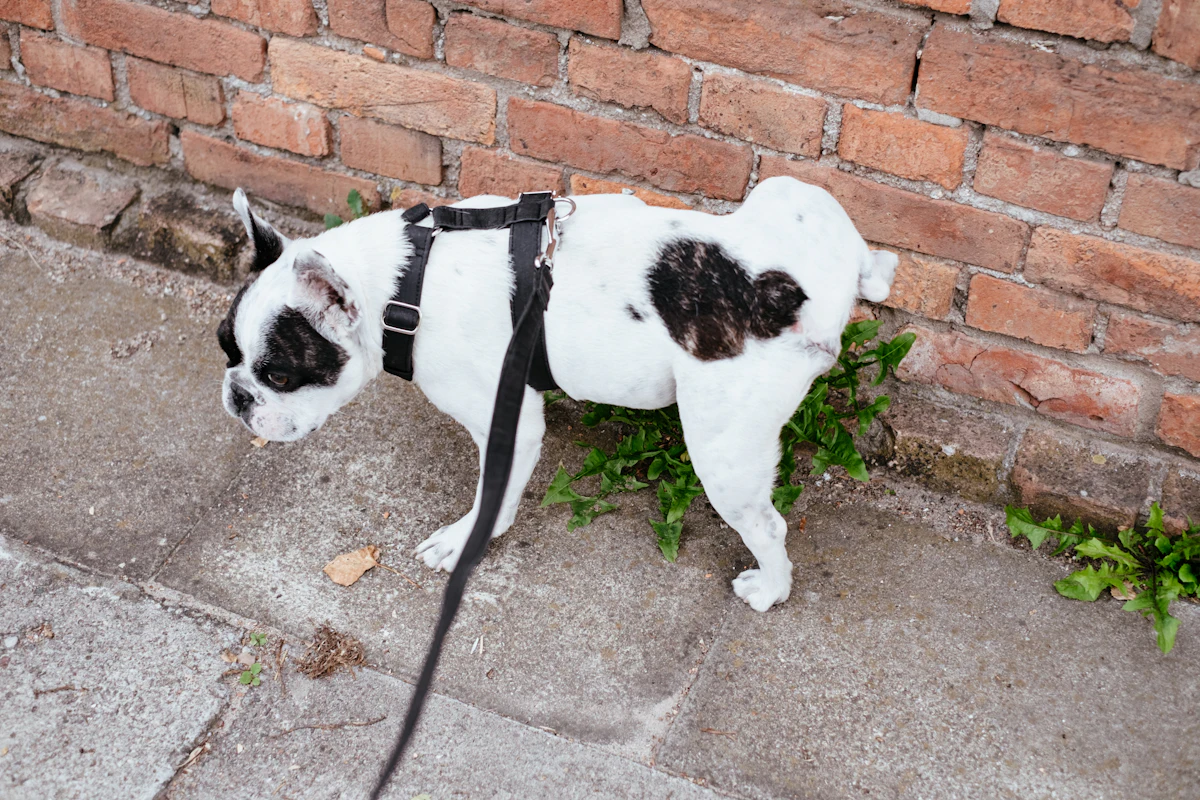
A dog peeing blood most often has a bladder infection, but stones, prostate disease, tumors, clotting problems and injury are also possible. Have a first episode checked within 24 hours, even if your dog acts normal. A dog that cannot pee, collapses or has pale gums needs emergency care now.
The information is current and up-to-date in accordance with the latest veterinary research. Learn more »
Red drops on the snow, a pink puddle on the kitchen floor or a rusty stain on the bedding: however you noticed it, a dog peeing blood is hard to ignore. The vets' term is hematuria, and it is a symptom rather than a diagnosis.
Many causes are very treatable, and an ordinary bladder infection tops the list. Others, including poisoning and a blocked urethra, can turn dangerous quickly. Urine color cannot tell you which one you are facing, so this guide focuses on how fast to act and what happens next.
Key Takeaways
- See a vet within 24 hours for a first episode. Go immediately if any emergency sign is present.
- Being unable to pee is an emergency. A blocked urethra can become life-threatening quickly.
- Normal behavior is not reassuring. Prostate enlargement and some other causes may produce few or no other signs.
- UTIs are common but not the only answer. Stones and bladder cancer can look the same.
- Do not reach for leftover antibiotics. They can interfere with tests and will not help many of the possible causes.
1Is It an Emergency? How To Decide
Start here, before you read anything about causes.
Go to an emergency clinic now if your dog:
- Strains but produces little or no urine
- Has a swollen or painful belly
- Is weak, collapsed or has pale gums
- Is vomiting repeatedly, or seems very dull
- Has bleeding elsewhere, such as the nose or gums, or has unexplained bruising
- Could have eaten rat or mouse bait
- Has just had a car accident, fall or dog fight
Call your vet for a visit within 24 hours if:
- This is the first time you have seen blood, even if your dog seems well
- The blood comes and goes
- Your dog is peeing more often, in small amounts or having indoor accidents
Book a prompt recheck if:
- The problem returns after treatment
- Your dog has previously had stones, a tumor or chronic infections
2Why Is My Dog Peeing Blood? The Common Causes
Urinary tract infection
Bacterial bladder infection is the most frequent reason, and female dogs are affected more often. Besides blood, you may notice frequent small pees, licking or accidents. Our guide to UTIs in dogs goes further on symptoms and treatment.
Infection that climbs to the kidneys is usually more serious. Fever, poor appetite, vomiting, lethargy and increased thirst should move your vet visit up.
Bladder stones and crystals
Stones rub and irritate the bladder lining, which then bleeds. Infection often occurs alongside them. The major danger is a stone lodging in the urethra and blocking the flow of urine, something that Merck notes owners can mistake for constipation because the dog looks like it is straining.
Prostate problems in male dogs
An enlarged, infected or cancerous prostate can all put blood in the urine. Benign prostatic hyperplasia is the most common prostate disorder in intact males. Treatment choices depend on the diagnosis and on your plans for your dog, and castration is the usual choice for benign enlargement when he is not being bred.
Bladder tumors and polyps
Polyps can bleed easily. Transitional cell carcinoma, the most common bladder tumor in dogs, tends to produce signs that look just like a UTI: blood, straining and frequent peeing. Merck names Scottish Terriers as having an increased risk.
For this reason, an infection that keeps coming back or will not clear deserves more investigation.
Kidney causes
Kidney infection, stones and tumors are possible sources, though stones and tumors there are less common. There are also two conditions you may not have heard of:
- Idiopathic renal hematuria: One or both kidneys bleed with no identifiable reason. It is generally considered benign but still needs a workup to rule out other causes.
- Renal telangiectasia: Widened blood vessels in the kidney, with a genetic tendency noted in Welsh Corgis.
Rat bait and clotting disorders
Anticoagulant rat poison stops blood from clotting properly. Merck reports that bleeding usually starts 3 to 7 days after a toxic dose, so you may not connect it to the exposure. Blood in the urine can appear along with nosebleeds, bruising, pale gums or black or bloody stools.
Treatment exists, but it must come from a vet. Any possible exposure warrants an urgent call, ideally with the packaging in hand. Other clotting problems and inflamed blood vessels can also lead to urinary bleeding.
Trauma
Being hit by a car, attacked by another dog or suffering a pelvic injury can damage the kidneys or bladder, or even rupture the bladder. A dog can seem fairly normal at first, so get a check after any major accident.
Other medical causes
Blood in urine can also relate to kidney disease, diabetes, Cushing's disease or the chemotherapy drug cyclophosphamide. Tell your vet about every medicine and supplement your dog takes.
3Why Is My Dog Peeing Blood but Acting Normal?
This is one of the most common questions owners ask, and it is an understandable reason to delay. Unfortunately, cheerful behavior says little about the cause.
For a male dog in particular, consider these possibilities:
- Prostate enlargement: Merck notes that many intact males with this problem show no other obvious signs, or only intermittent blood in the urine or a bloody discharge from the prepuce. Signs can worsen around females in heat.
- Stones: A stone can irritate the bladder and later cause a blockage, so a straining dog needs urgent care.
- Tumors: Bladder tumors can look like a simple infection at first.
- Idiopathic kidney bleeding: Some dogs feel well in spite of visible blood.
The same advice applies for females: acting normal buys you no more than the 24-hour window. Your dog looking fine should change how you travel, not whether you go.
4What To Do Before the Appointment
Simple notes can help your vet narrow things down:
- Note the color and timing. Is the blood at the start of the stream, at the end or throughout? Is it pink, red or brown, and are there clots?
- Note where the blood is coming from, if you can. Blood on the vulva or penis without obvious urine may have a different source, so mention it.
- Watch the stream. Report straining, dribbling or several trips outside with little output. Tell your vet right away if no urine comes out.
- Record other changes. Include thirst, appetite, vomiting, energy and recent bait exposure.
- Take a photo. A picture of the stain or puddle is useful.
- Ask about a sample. The clinic can tell you whether to bring a fresh urine sample and how to collect it. Some dogs need a sample taken directly at the clinic instead.
- Keep water available. Do not change the diet or give any medication unless your vet tells you to.
Avoid human pain relievers and leftover antibiotics. Starting drugs before a urine test can also make the real cause harder to find.
5How Vets Find the Cause
Blood in urine is only a clue, so testing is what provides the answer. Your dog may need some or all of these:
- Physical exam: The vet feels the abdomen and bladder and, in males, may check the prostate with a rectal exam.
- Urinalysis: This looks for blood cells, bacteria and crystals. Abnormal cells can sometimes be seen too.
- Urine culture and sensitivity: This identifies the bacteria and the antibiotics that will work. Results often take 3 to 5 days, so your dog may start treatment while you wait.
- Blood tests: These look at kidney values, blood cells and clotting.
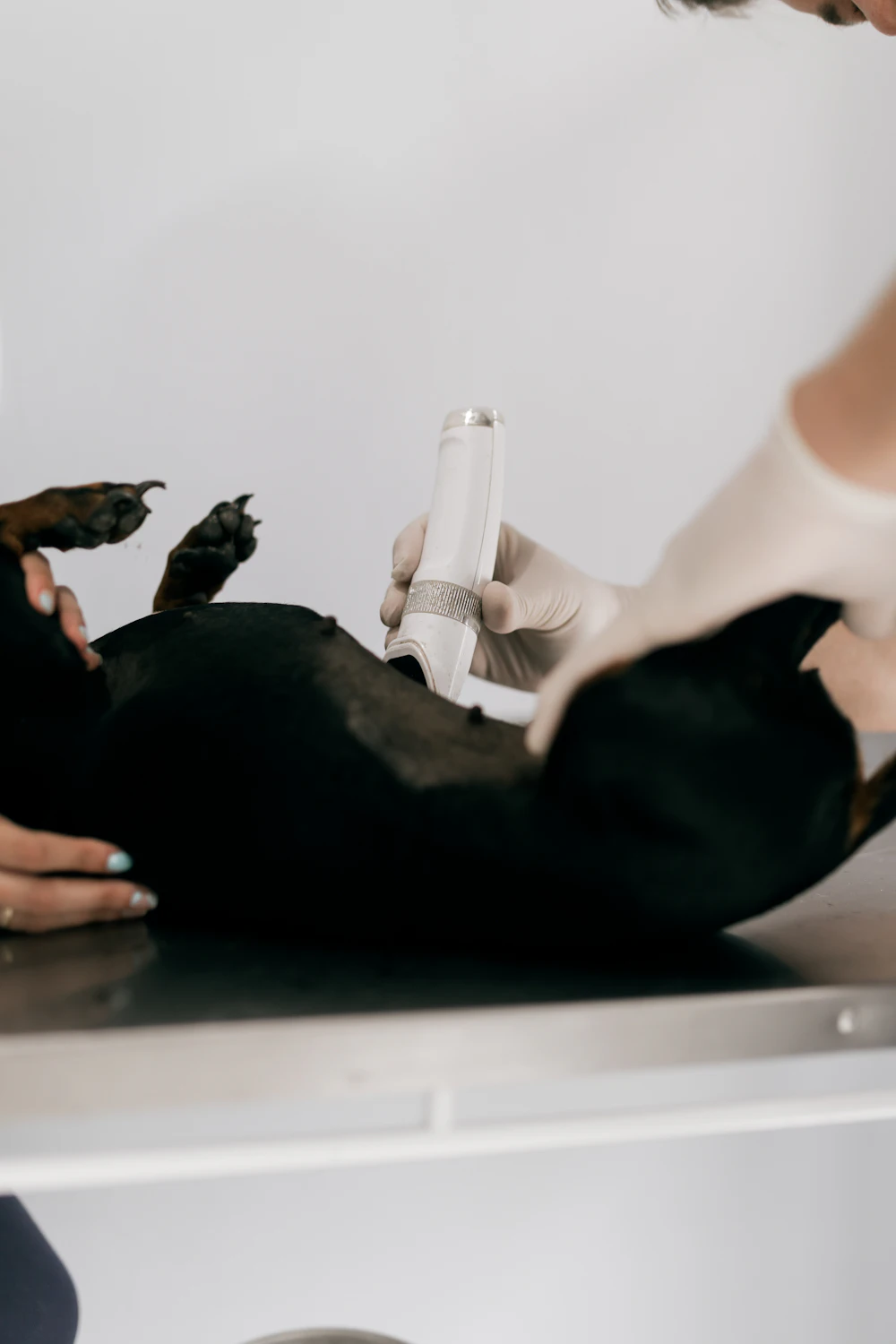
- X-rays and ultrasound: These can reveal stones, masses, or kidney and prostate changes. Some stones do not show on plain X-rays, which is one reason a dog ultrasound or contrast study may be used.
- Specialized testing: A urine genetic test may be used for suspected bladder cancer, and scope exams or biopsy can confirm a diagnosis.
6How Blood in Urine Is Treated
Treatment targets the cause, and your vet decides on medicine and dose:
- Infection: Antibiotics, ideally guided by culture results. Finish the full course unless told otherwise.
- Stones: Depending on stone type, options include a special diet, more dilute urine, and surgical or other removal. A blockage needs emergency relief.
- Prostate disease: Castration, medication or infection treatment, depending on the cause and your breeding plans.
- Cancer: Pain control and treatment plans vary, so ask for a referral to an oncologist if that would help.
- Poisoning or clotting disorders: Vitamin K1 is the antidote for anticoagulant bait. Fluids or transfusions may also be needed.
- Discomfort: Your vet can prescribe suitable anti-inflammatory or pain medication.
Once your dog has recovered, ask your vet whether a follow-up urine test is needed. Wet food and prescribed diets can help with some recurring stone problems by changing the urine.
Sources
- Merck Veterinary Manual: Obstructive Uropathy in Dogs and Cats
- Merck Veterinary Manual: Benign Prostatic Hyperplasia in Dogs
- Merck Veterinary Manual: Neoplasia of the Urinary System in Dogs and Cats
- Merck Veterinary Manual: Anticoagulant Rodenticide Poisoning in Animals
- Hill's Pet Nutrition: Blood in Dog Urine
Frequently Asked Questions
?Is blood in a dog's urine an emergency?
It can be. Treat it as an emergency if your dog cannot pee, is weak or has pale gums, may have eaten rat bait or has been injured. Otherwise, have a first episode seen within 24 hours.
?Can a UTI cause a dog to pee blood?
Yes, this is the most common cause. It is still worth testing, since stones and bladder tumors can cause the same signs. A urine test helps your vet choose the right approach.
?Can a dog's peeing blood go away on its own?
Bleeding can stop for a while, especially with stones or prostate problems, but the cause may still be there. Get it checked even if the next pee looks clear.
?Why is my male dog peeing blood but acting normal?
Prostate enlargement is a leading possibility in an intact male. Infection, stones and tumors can also cause it. A male who starts straining needs urgent attention, because stones can block his urethra.
?Can stress make a dog pee blood?
We could not confirm stress as an established cause in the veterinary references we used. Do not assume it explains blood in your dog's urine. Let your vet rule out a medical cause first.
?What home remedy can I give a dog with blood in the urine?
No home remedy is a safe substitute for an exam, because treatment depends on the cause. Keep water available and call your vet. Avoid human medicines and supplements unless your vet approves them.
?How much will testing involve?
Many dogs start with an exam and urinalysis. Blood work, culture and imaging get added based on those results and how sick your dog seems. Ask for an estimate and a staged plan if cost is a concern.
Help us do better!
Was this article helpful and relevant?
Thanks for your feedback!
About Dr. Tomas Ellery
Dr. Tomas Ellery is an emergency and general-practice veterinarian who has spent fifteen years treating dogs in busy city clinics. He writes the health and symptom guides on VetsExplained and is a firm believer that owners who know what normal looks like catch disease earlier.
View all posts by Dr. Tomas Ellery →More from Dog Health



You Might Like
 Dog BreedsLabradoodle Dog Breed Guide: Temperament, Size, Grooming, Health and Care
 Dog BehaviorWhy Does My Dog Eat Grass? A Vet Separates Myth From Evidence
 Dog BreedsBernedoodle Dog Breed Guide: Temperament, Size, Coat, Health and Cost
 Dog BreedsCavapoo Dog Breed Guide: Size, Temperament, Health, Grooming and Cost