Paraphimosis in Dogs: When the Penis Is Stuck Out and What To Do
 Written by Dr. Tomas Ellery, DVM
 Fact checked by Dr. Hannah Reyes, BVSc MRCVS
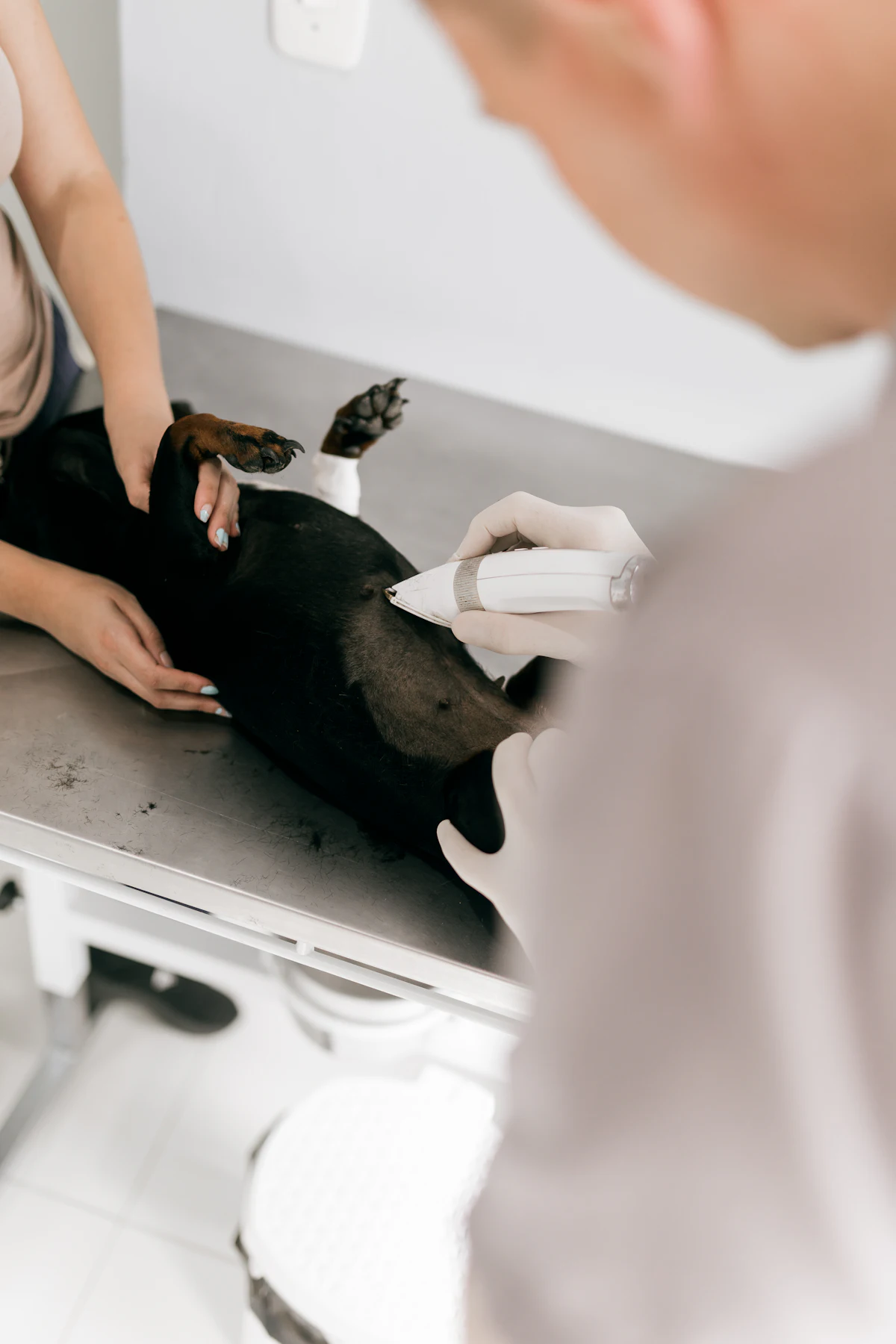
Paraphimosis in dogs means the penis cannot return to its sheath, which traps blood and causes swelling. Keep the tissue moist with water-based lubricant and call a vet right away. You can try one gentle attempt if swelling is minimal, but never force it. Dark tissue or trouble urinating is an emergency.
The information is current and up-to-date in accordance with the latest veterinary research. Learn more »
Seeing your dog's penis stuck out, swollen and refusing to go back in is alarming, and it can be awkward to ask about. It is also worth acting on quickly. Paraphimosis in dogs is a condition in which the penis cannot slide back into its sheath, and the longer it stays trapped, the harder it is to fix.
A brief moment of exposure during excitement is not the worry here. The concern is a penis that stays out, swells or changes color. Below, you will find how to tell the difference, what first aid is safe, and what to expect at the clinic.
Key Takeaways
- This is time-sensitive. Early cases are far easier to correct, so call a vet as soon as you notice the problem.
- Thirty to 60 minutes is a useful limit. One veterinary hospital group advises treating exposure beyond that window as an emergency, and sooner if there is swelling.
- Moisture matters. Exposed tissue dries out quickly, so keep it covered in water-based lubricant.
- Never force it. Rough handling can cause further damage to swollen tissue.
- Color and urination are red flags. Purple or black tissue, or an inability to pee, means emergency care now.
1What Is Paraphimosis?
The sheath, or prepuce, is the skin that normally covers a dog's penis. In paraphimosis, the skin at the sheath opening rolls inward and acts like a tight ring around the exposed shaft. Blood can flow in but struggles to drain out.
The result is a cycle. Poor drainage causes swelling, and swelling makes the ring tighter still. The exposed surface then dries out and becomes sore, which prompts licking and more injury.
Paraphimosis, phimosis or priapism?
These similar words describe different problems, and only your vet can reliably separate them:
- Paraphimosis: The penis cannot go back in.
- Phimosis: The sheath opening is too narrow for the penis to come out.
- Priapism: A persistent erection. Merck advises checking for this when a stuck penis does not respond to standard treatment, ideally with an ultrasound.
2What Causes a Dog's Penis To Get Stuck Out?
According to the Merck Veterinary Manual, the condition most often follows manual semen collection and, less often, mating. That helps explain why it is seen more in intact males, although a neutered dog can still be affected.
Other causes include:
- A sheath opening that is unusually small, whether present from birth or from an earlier injury
- Injury to the penis or sheath
- Hair or a foreign object wrapped around the penis or caught at the opening
- Priapism
Sometimes no clear reason is found, particularly in dogs with repeat episodes.
3Signs To Look For
The visible penis is the obvious clue, but early changes can be subtle in a dog with a long coat. Watch for:
- Pink or red tissue that remains visible after the excitement has passed
- Swelling that grows over time
- A dry, cracked or shiny surface
- Constant licking, which can be the first thing owners notice
- Crying, restlessness or pain when the area is touched
- Dribbling urine, straining or producing none at all
4How Urgent Is It?
Call a vet as soon as you realize the penis is not going back. Use the following guide to decide how quickly you need to travel.
Go to the nearest emergency clinic now if you see:
- Dark red, purple, gray or black tissue
- Marked swelling
- Inability to urinate
- Severe pain, an open wound or heavy bleeding
- Exposure lasting more than about an hour
See your regular vet today if:
- The tissue is a normal pink with very little swelling, and your clinic can see your dog promptly
- You managed to get the penis back in, but your dog keeps licking or seems sore
- This has happened before, even if it resolved
Waiting carries real risk. Without treatment, trapped tissue can die, and that can lead to infection, a blocked urethra and surgery to remove damaged tissue.
5How To Fix Paraphimosis in Dogs at Home: What Is Safe
Many people search for a home fix, and a very early case can sometimes be corrected this way. Think of it as first aid while you contact a vet, not a replacement for one. Stop right away if your dog is in pain, as even a gentle pet can bite when hurting.
1. Call the clinic first. Tell them when you first noticed it and describe the color. 2. Keep your dog calm. Ask a second person to steady him. 3. Look for a constriction. Check gently for hair, string or debris around the shaft or at the sheath opening. If something is embedded, leave it for the vet. 4. Rinse the area. Use clean, lukewarm water to remove dirt. 5. Apply plenty of water-based lubricant. Sterile lubricant is ideal. It protects the tissue even if the next step fails. 6. Try once, gently. Only if swelling is minimal, ease the sheath back toward the body to open up the rolled-in skin, then slide it forward over the penis. 7. Stop if it does not move easily. Do not squeeze hard or push repeatedly. Go to the clinic.
Protecting the tissue on the way
Cover the exposed area with a clean cloth dampened with water and lubricant, if your dog tolerates it. A protective cone can stop licking during the trip. Keep him on a leash or in a crate so he does not rub against anything.
What to avoid
- Pulling on the penis or sheath
- Cutting hair close to swollen tissue
- Tying anything around the shaft
- Human pain relievers, unless a vet directs you to use them
- Waiting overnight to see whether it improves
Do you still need a vet if it goes back in?
Yes, book a check. Your vet can look for injury, an underlying sheath problem or a remaining constriction. Recheck at home as well, because the penis can slip out again.
6How Vets Treat Paraphimosis
Treatment escalates with the severity and length of the episode. Merck describes a stepwise approach, summarized here so you know what your dog may need. Your vet decides on the plan and any medication.
- Cleaning and lubrication: This is the first step and often works when the case is caught early. The vet everts the opening and guides the sheath over the penis.
- Cool compresses and gentle pressure: These help reduce swelling so the sheath can pass over.
- Sedation or anesthesia: These are used for pain or for longer-standing cases, and sedation can also make swelling easier to manage.
- A temporary stitch: A purse-string suture may hold the penis inside the sheath while things settle.
- Surgery to release the ring: A small incision relieves the obstruction and allows the vet to examine the cavity and remove restricting material.
- A urinary catheter: This may be placed temporarily if the urethra has been damaged, to lower the risk of scarring and narrowing.
Dogs with repeat or long-term problems may need surgery to widen or reposition the sheath opening. Tissue that has already died may also need to be removed.
7Recovery and Outlook
Once normal blood flow returns, swelling generally settles quickly. The outlook is best with prompt treatment and depends on how badly the tissue was injured.
At home, your vet may ask you to:
- Keep a cone on your dog so he cannot lick the area
- Give prescribed medicines exactly as directed
- Watch that he pees normally
If your dog cannot pee, or if the tissue swells or darkens again, call straight away. A dog that seems to strain could also have a urinary problem, so mention any changes in urine to your vet. Our guide to UTIs in dogs covers the other common culprit.
8Can You Prevent It?
Not every case can be avoided, particularly if anatomy is responsible, but these habits may reduce the risk:
- Keep the hair around the sheath opening trimmed and free of debris, or ask a groomer to do it
- Check your dog after mating or semen collection to confirm that the penis has fully gone back in
- Clean and lubricate the area around breeding or collection
- Inspect the sheath during grooming and bath time
- Ask your vet about surgical correction if episodes keep returning
Sources
- Merck Veterinary Manual: Paraphimosis in Dogs and Cats
- Garden State Veterinary Specialists: Paraphimosis in Dogs: Is It a Pet Emergency?
Frequently Asked Questions
?How long can a dog's penis be out?
A few minutes during excitement is usually harmless. If it is still out after about 30 minutes, call a vet. Do not wait at all if you see marked swelling, color changes or trouble urinating.
?Can paraphimosis heal on its own?
A mild episode sometimes resolves on its own, but you cannot count on this. Because swelling tends to tighten the trap, a persistent case generally gets worse without treatment. Even when it resolves, a checkup is sensible.
?Why is my dog's penis stuck out after mating?
Mating and semen collection are recognized triggers, since the sheath skin can roll inward as the penis is exposed. Lubricate the tissue, try one gentle reduction if there is little swelling, and call your vet.
?Is paraphimosis in dogs an emergency?
It can quickly become one. Treat it as urgent as soon as you notice it, and as an emergency when it has lasted around 30 to 60 minutes or more, or when the tissue is dark or your dog cannot pee.
?Which lubricant can I use on my dog?
Use a sterile or water-based lubricant. It keeps the delicate tissue moist and helps it slide. If you have none on hand, keep the tissue moist with clean water on the way to the clinic, and avoid anything that stings or irritates.
?Can a neutered dog get paraphimosis?
Yes. It is more often linked to breeding and semen collection in intact males, but injury, hair rings and anatomy problems can affect neutered dogs too.
Help us do better!
Was this article helpful and relevant?
Thanks for your feedback!
About Dr. Tomas Ellery
Dr. Tomas Ellery is an emergency and general-practice veterinarian who has spent fifteen years treating dogs in busy city clinics. He writes the health and symptom guides on VetsExplained and is a firm believer that owners who know what normal looks like catch disease earlier.
View all posts by Dr. Tomas Ellery →More from Dog Diseases And Medical Conditions



You Might Like
 Dog BreedsLabradoodle Dog Breed Guide: Temperament, Size, Grooming, Health and Care
 Dog BehaviorWhy Does My Dog Eat Grass? A Vet Separates Myth From Evidence
 Dog BreedsBernedoodle Dog Breed Guide: Temperament, Size, Coat, Health and Cost
 Dog BreedsCavapoo Dog Breed Guide: Size, Temperament, Health, Grooming and Cost