Shorkie Dog Guide: Yorkie Shih Tzu Mix Size, Lifespan, Care and Health
 Written by Sofia Marin
 Fact checked by Dr. Tomas Ellery, DVM
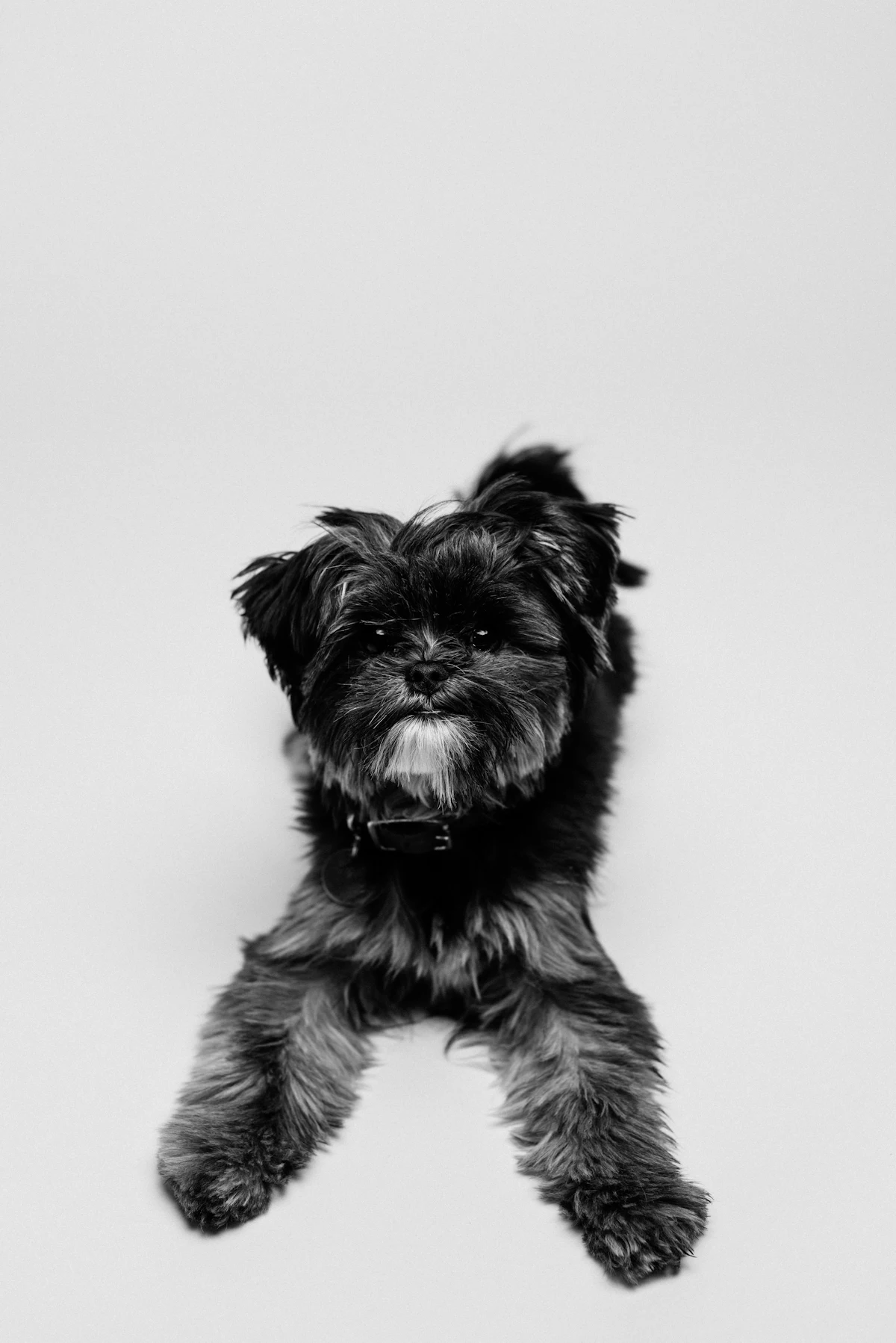
A Shorkie is a cross between a Shih Tzu and a Yorkshire Terrier. Full-grown dogs commonly weigh about 7 to 16 pounds and stand roughly 7 to 10 inches tall, with a lifespan often estimated at 10 to 18 years. No breed standard exists, so looks, size and temperament can vary considerably.
The information is current and up-to-date in accordance with the latest veterinary research. Learn more »
Few small dogs pack quite so much personality into so little space. The Shorkie, also sold as the Shih Tzu Yorkie mix or Yorkie Shih Tzu, pairs a companion breed known for friendliness with a terrier known for spirit.
It is also a dog that is hard to predict. A Shorkie is a crossbreed and has no standard, which means two puppies from the same litter may grow up looking and acting quite differently.
The best guide is therefore to learn what each parent breed brings. This article covers size, temperament, grooming, health and lifespan, as well as what to ask before you bring a Shorkie puppy home.
Key Takeaways
- A Shorkie is a mix, not a recognized breed. It is a cross of the Shih Tzu and the Yorkshire Terrier.
- Size is an estimate. Commonly quoted adult figures are 7 to 16 pounds and 7 to 10 inches.
- The coat takes real work. Expect frequent brushing and regular trims.
- Health risks come from both sides. Teeth, kneecaps, windpipe, airway, eyes and liver shunts are key topics.
- Heat can be a concern. Shorter-faced individuals may overheat more easily.
- Be wary of "teacup" claims. A smaller dog is not a better dog, and tiny puppies can be vulnerable.
1What Is a Shorkie?
A Shorkie is the offspring of a Shih Tzu and a Yorkshire Terrier. Some are first-generation crosses, while others come from two Shorkie parents or a further cross back to a parent breed. The American Kennel Club does not recognize the mix, so no official standard defines how it should look or behave.
That matters when you see breeders making specific promises about size, color or coat. Without a standard, these are predictions.
2Parent Breeds at a Glance
Shih Tzu. The AKC standard describes a toy dog with an ideal height of 9 to 10.5 inches and a mature weight of 9 to 16 pounds. Companionship is the breed's stated purpose, and the temperament should be outgoing, affectionate and trusting.
Yorkshire Terrier. The AKC standard caps the show weight at 7 pounds, and the AKC describes the average dog as about 8 inches tall. Yorkies once worked as ratters before becoming lapdogs. They are often feisty and affectionate, can be stubborn, and tend to be vocal.
3How Big Does a Full-Grown Shorkie Get?
Most guides put a full-grown Shih Tzu Yorkie mix at around 7 to 10 inches tall and 7 to 16 pounds. These numbers are reasonable given the parents, but they are not guarantees. Individual dogs can land outside the range.
To get a better idea of your puppy's adult size-get):
- Ask for the actual weight of both parents.
- Ask the weights of any adult dogs from earlier litters.
- Track your puppy's weight at vet visits.
- Ask your vet whether your puppy's body condition is healthy, rather than focusing on a number.
Growth estimates differ between sources, and there is no reliable chart for this mix, so ask your vet if you are unsure about your puppy's development.
4What Does a Shorkie Look Like?
Expect a small, sturdy dog with a soft, long coat and a face somewhere between the two parents. Some have a short Shih Tzu-like muzzle, while others have a longer Yorkie-style nose. Colors vary, and the coat may change as a puppy matures.
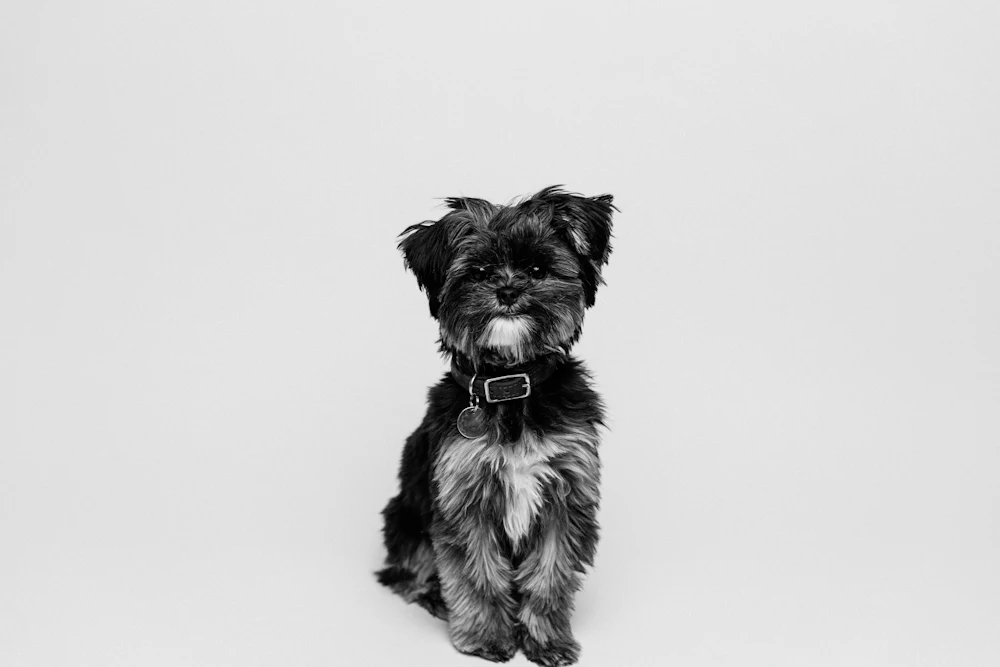
The muzzle deserves attention, since it can affect health as well as looks. A very flat face is cute, but it can also bring breathing problems, as explained below.
5Shorkie Temperament
No one can promise a personality from a pedigree. Still, you can expect a mixture of the Shih Tzu's friendly devotion and the Yorkie's alert, lively streak. Many dogs of this type:
- Are strongly attached to their people
- Enjoy lap time as well as short bursts of play
- Bark at sounds or visitors, a trait the Yorkie side may add to
- Show some stubbornness during training
- Do not realize how small they are
Early, gentle socialization is important. AKC notes that Yorkies can be protective of their people, and a small dog that is carried everywhere may miss the chance to learn the world is safe.
Are Shorkies Good With Children?
They can be with respectful older children. Any tiny dog can be hurt by rough handling or a fall from someone's arms, and a frightened dog may snap. Supervise all interactions and teach children to sit on the floor to hold the dog.
6Training a Shorkie
Both parent breeds tend to have an independent side. VCA Animal Hospitals notes that Shih Tzus respond well to reward-based training with food or games, and poorly to force. AKC says the same of Yorkies in terms of patience and positive reinforcement.
Focus on these basics:
- Housetraining. VCA says Shih Tzus can be harder than average to housetrain, so keep to a routine and supervise. Some owners use an indoor potty system.
- Barking. Teach a quiet cue early, and avoid rewarding noisy demands.
- Handling. Practice gentle brushing and looking at teeth, ears and paws from day one.
- Being put down. Let your Shorkie walk and explore, rather than carrying them everywhere.
7Exercise Needs
This is not a marathon partner, but it does need daily activity. A walk or two around the block, with plenty of time to sniff, along with indoor games and trick training, suits many small dogs of this type. Yorkies also enjoy mental challenges, so scent games and puzzle toys are useful.
Use common sense in hot weather. Walk during the coolest part of the day, and keep outings short if your dog has a flatter face. A harness rather than a neck collar is usually the better choice, for reasons explained below.
8Grooming a Shorkie
Grooming is the main ongoing commitment. Both parents have long hair rather than a low-maintenance coat, so mats develop if it is neglected. Based on parent breed care, plan on:
- Brushing and combing. VCA suggests every other day for Shih Tzus, and more often may help a long coat.
- Trims. A short trim is much easier to maintain. Many owners book regular professional grooming.
- Eyes. Keep stray hair and eyelashes from irritating the eyes.
- Ears. Check them weekly, as poor airflow can be an issue in Shih Tzus.
- Rear end hygiene. Keep the hair around the anus clean and tidy.
- Teeth. Brush as often as you can, ideally daily. This is one of the most valuable jobs you can do for a small dog.
- Nails. Keep them trimmed regularly.
Do not assume the mix is hypoallergenic. Low shedding is possible, but no one can promise it will suit someone with allergies, so spend time with the dog first.
9Feeding a Shorkie
Choose a complete diet suited to your dog's life stage and size, and ask your vet about portions. Our guide to food for small dogs covers what to look for. Small dogs can gain weight quickly with few extra calories, and VCA notes that Shih Tzus can run heavy.
Very small puppies need extra care. VCA warns that tiny Shih Tzu puppies are prone to hypoglycemia, or low blood sugar, and should be fed often. Treat weakness, wobbling or collapse in a small puppy as an emergency.
10Shorkie Health Problems
Mixing breeds does not cancel out inherited problems. Your dog could inherit risks from either parent:
- Dental disease. VCA identifies periodontal disease as a problem in Shih Tzus, and crowded teeth in a tiny jaw can make matters worse. Regular brushing helps greatly, and your vet can advise you on professional cleanings.
- Tracheal collapse. Cornell says toy and small breeds such as Yorkies are most affected, usually in middle age or later. The classic sign is a dry cough that sounds like a goose honking. See our dog coughing guide for context.
- Kneecap problems. The American College of Veterinary Surgeons includes Yorkies among small breeds affected by patellar luxation. A dog may suddenly hold up a back leg for a few steps, then carry on.
- Airway disease. Cornell lists the Shih Tzu among breeds affected by brachycephalic obstructive airway syndrome. Snoring, gagging and tiring easily should be discussed with your vet.
- Liver shunt. The Merck Veterinary Manual names Yorkies among breeds at higher risk of portosystemic shunt. Signs may include poor growth and nervous system disturbances.
- Eye problems. Prominent eyes and stray hair can lead to irritation. Red, squinting or cloudy eyes deserve prompt attention, and our eye infection guide explains why.
When to Call the Vet Urgently
Go to a vet immediately if your dog has:
- Labored or open-mouth breathing, or blue-tinged gums
- Fainting or collapse
- Overheating that does not settle quickly after cooling
- Weakness or wobbling in a puppy, or a seizure
11How Long Do Shorkies Live?
The Shorkie lifespan is often estimated at 10 to 18 years, based on the parent breeds. That range is wide, and we could not find strong data on the mix itself. The AKC gives Yorkies an average of 11 to 15 years.
A healthy weight, dental care, parasite prevention and regular vet visits are things you can influence. Genetics and luck also play their part.
12Is a Shorkie Right for You?
A Shorkie may suit you if you:
- Want a small companion who wants to be close
- Can commit to frequent grooming or professional trims
- Are home a fair amount
- Can be consistent and patient with training
Consider a different dog if you:
- Want a low-maintenance coat
- Need a quiet dog for thin apartment walls
- Want a rugged hiking partner
- Have very young children who cannot yet handle a tiny dog gently
If you like the look of small mixes and are comparing, our Maltipoo guide can help.
13Finding a Shorkie Puppy
Designer mixes attract careless breeders, so ask plenty of questions:
- Can I meet the mother, and see where the puppies live?
- What vet records and health checks do both parents have?
- Have the parents had their knees and eyes examined?
- How much do the adult dogs in this line weigh?
- What is your plan if the puppy does not work out?
Avoid anyone who pushes "teacup" labels, refuses a visit, or wants to sell a very young puppy without records. Also check local rescues and small-dog rescue groups, where Yorkie and Shih Tzu mixes can sometimes be found.
Sources
- American Kennel Club: Official Standard of the Shih Tzu
- American Kennel Club: Official Standard of the Yorkshire Terrier
- American Kennel Club: Is the Yorkshire Terrier the Right Breed for Your Lifestyle?
- VCA Animal Hospitals: Shih Tzu breed information
- Cornell Riney Canine Health Center: Tracheal Collapse
- Cornell Riney Canine Health Center: Brachycephalic Obstructive Airway Syndrome
- American College of Veterinary Surgeons: Patellar Luxation in Dogs
- Merck Veterinary Manual: Congenital and Inherited Disorders of the Digestive System of Dogs
Frequently Asked Questions
?What is a Shorkie dog?
It is a crossbreed of a Shih Tzu and a Yorkshire Terrier. It is a companion dog with a long coat and a lively personality, though no formal breed standard exists.
?How big is a full-grown Shorkie?
Most adults are said to be about 7 to 16 pounds and 7 to 10 inches at the shoulder. The size of the parents is a helpful clue, but it cannot guarantee a result.
?What is the Shorkie lifespan?
It is commonly estimated at 10 to 18 years. That figure comes from the parent breeds rather than from long-term studies of the mix.
?Do Shorkies bark a lot?
Many are alert and vocal, particularly if they take after the Yorkie side. Early training and enough activity can help, though you should not expect a silent dog.
?Do Shorkies shed?
Shedding is often light, as Shih Tzus are rated below average for shedding, but no dog is completely allergen-free. Loose hair can also be trapped in the coat and form mats, which is why brushing is essential.
?Are Shorkies easy to train?
They are often bright but can be headstrong, and housetraining may take extra patience. Short, reward-based sessions tend to work best.
?Are there other Yorkie mixes like this?
Yes. Yorkies are crossed with several other small breeds. As with the Shorkie, look closely at the parents and ask for health records, whatever the mix is called.
Help us do better!
Was this article helpful and relevant?
Thanks for your feedback!
About Sofia Marin
Sofia Marin is VetsExplained's senior editor. She has edited pet and consumer titles for fifteen years and is responsible for the site's editorial standards and breed coverage.
View all posts by Sofia Marin →More from Dog Breeds



You Might Like
 Dog BreedsLabradoodle Dog Breed Guide: Temperament, Size, Grooming, Health and Care
 Dog BehaviorWhy Does My Dog Eat Grass? A Vet Separates Myth From Evidence
 Dog BreedsBernedoodle Dog Breed Guide: Temperament, Size, Coat, Health and Cost
 Dog BreedsCavapoo Dog Breed Guide: Size, Temperament, Health, Grooming and Cost