Shih Poo Dog Guide: Size, Lifespan, Care and Puppies
 Written by Sofia Marin
 Fact checked by Dr. Tomas Ellery, DVM
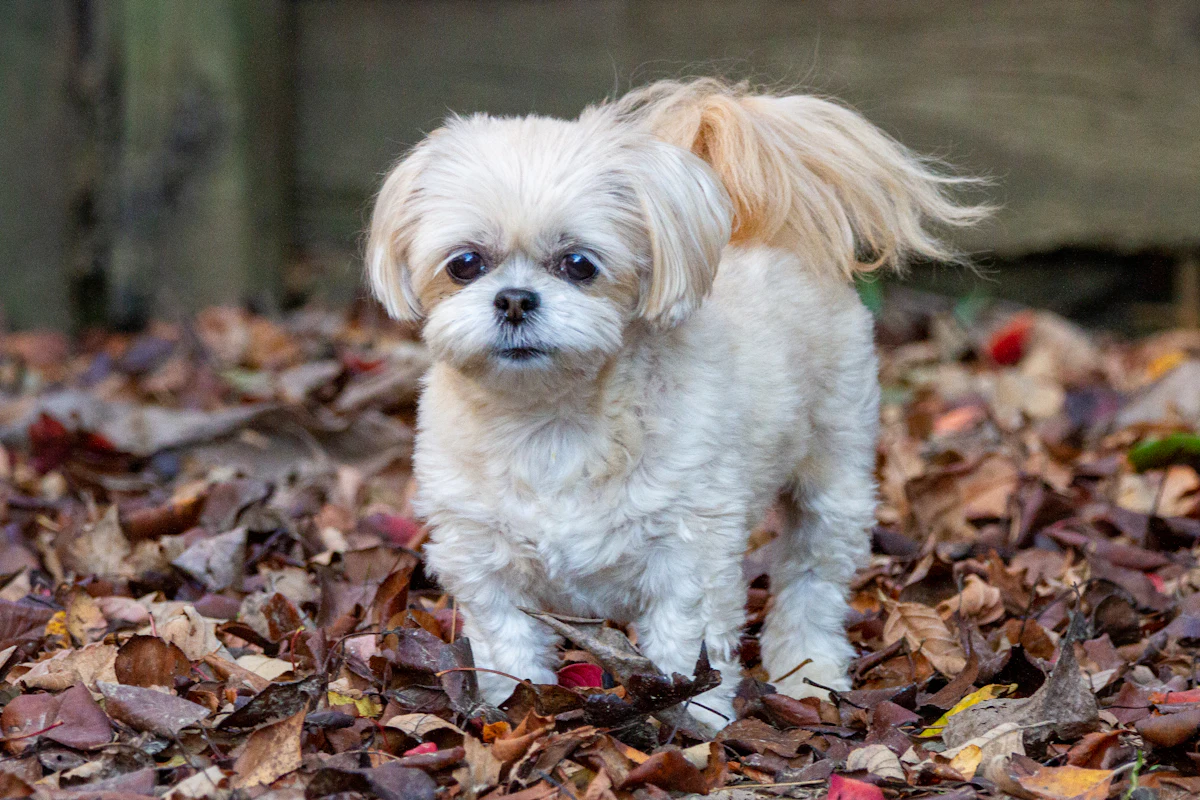
A Shih Poo is a cross between a Shih Tzu and a Toy or Miniature Poodle. Most are small, affectionate companions with low-shedding coats that need frequent grooming. Size and looks vary because this is a mix, not a standardized breed, and lifespan estimates commonly fall around 10 to 18 years.
The information is current and up-to-date in accordance with the latest veterinary research. Learn more »
Few small companions look as much like a living plush toy as the Shih Poo. This Shih Tzu and Poodle mix, also spelled shipoo, shi poo or shih-poo, and sometimes called a shepoo or Shoodle, appeals to people who want a small dog with a soft coat and a people-focused personality.
That teddy bear look comes with real work. A Shih Poo often needs more coat care than a first-time owner expects, and two parent breeds mean two sets of possible traits and health risks. This guide helps you decide if the mix suits your home and how to buy or adopt carefully.
Key Takeaways
- It is a mix, not a recognized breed. The American Kennel Club (AKC) does not register Shih Poos, so no official standard defines them.
- Expect a small dog. Many fall within or near the parent breeds' range of about 4 to 16 pounds, but individuals vary.
- Grooming is the major commitment. Plan on frequent brushing and regular professional trims.
- Companionship matters. This is a poor choice for a home where a dog will spend long days alone.
- Health checks matter. Dental disease, kneecap problems and short-muzzle breathing issues are worth discussing.
1What Is a Shih Poo?
A Shih Poo is a Poodle and Shih Tzu mix, typically with a Toy or Miniature Poodle parent. You will also see the pairing described as a Shih Tzu mixed with Poodle, a Poodle Shih Tzu or a "shitzu poodle" mix. All of these refer to the same kind of dog.
Because a litter inherits unpredictable combinations from each parent, no breeder can promise a specific look. A pup may have a longer Poodle muzzle or a shorter Shih Tzu face, and a coat that ranges from wavy to tightly curled.
Generations also vary. A first-cross puppy has one parent from each breed, while later generations can be less predictable. Our explanation of F1, F1b and F2 crosses covers the same terminology, as breeders use it for many Poodle mixes.
2Shih Poo Size
There is no official size chart, so the parents are your best guide. AKC gives these figures:
- Shih Tzu: 9 to 16 pounds, 8 to 11 inches tall
- Toy Poodle: 4 to 6 pounds, under 10 inches tall
- Miniature Poodle: 10 to 15 pounds, 10 to 15 inches tall
A Toy Poodle cross generally points toward a smaller adult, and a Miniature cross may be somewhat taller. Ask to see both parents, or at least their recorded weights, for a better estimate.
3Shih Poo Temperament
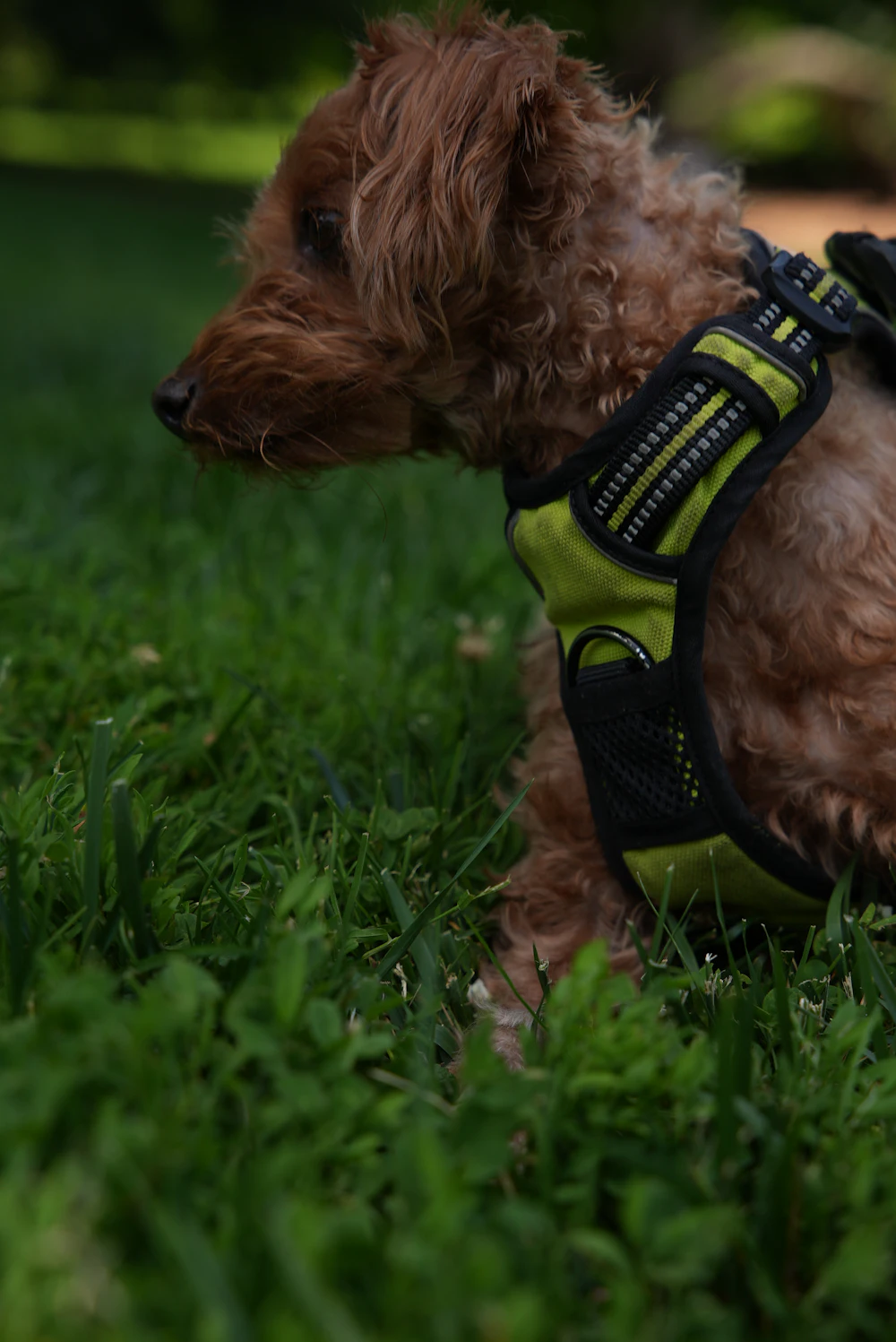
Personality also varies, but the parents offer useful hints. AKC describes the Shih Tzu as playful, outgoing and attached to its people, and notes that the breed does not cope well with long periods alone. Poodles are known for intelligence and quick learning, are watchful and may bark more than some breeds.
A Shih Poo could reasonably take after either side, so you may see:
- A strong attachment to family and a wish to be nearby
- A quick mind that enjoys short training games
- Alert barking at sounds or visitors
- A playful streak in short bursts, followed by happily resting close by
Small size makes them adaptable to apartments, as long as barking is managed and they get daily outings. They can do well with considerate older children, though a tiny dog can be hurt by rough handling or a fall. Supervise any time with young kids.
4Training and Exercise
Reward-based methods suit both parent breeds. AKC notes that Poodles respond best to consistent, positive training, while Shih Tzus respond to praise and rewards but can be charmingly stubborn. Use short sessions and start socialization early.
A good starting point is around 30 minutes a day of combined walks, play and brain work. Young, Poodle-leaning dogs may want more. Food puzzles and trick training help burn mental energy, especially in bad weather.
If your dog has a short muzzle, exercise needs extra thought. AKC warns that Shih Tzus do not tolerate heat well, and VCA Animal Hospitals advises avoiding hot, humid conditions for dogs with breathing problems related to a short face. Walk during cooler parts of the day and use a harness rather than a neck collar, as VCA recommends for affected dogs.
5Grooming a Shih Poo
This is where many owners underestimate the job. Both parent breeds have coats that require substantial care, and AKC notes that long Poodle coats can mat without daily brushing.
Plan on:
- Brushing: daily, or most days, going right down to the skin
- Professional grooming: about every four to eight weeks, depending on length and coat type
- Face care: gentle daily wipes around the eyes, as AKC recommends for Shih Tzus, with hair kept out of the eyes
- Bathing: every few weeks or as needed, with thorough drying and brushing
- Short trims: a practical choice if daily brushing is unrealistic
Our Doodle grooming guide covers line combing and mat prevention, techniques that also apply to many curly Poodle crosses.
Are Shih Poos hypoallergenic?
No dog is guaranteed to be allergy-free. AKC notes that the Poodle's low-shedding coat can suit some people with allergies, and a Shih Poo may inherit a similar coat. However, this is not certain for any individual. Spend time with the dog you plan to bring home before committing. Our article on whether Doodles are hypoallergenic explains why shedding is only part of the story.
6Shih Poo Health Concerns
There is little published health research on the mix itself, so planning relies on what is known about small and short-muzzled dogs. A mixed background does not guarantee good health, because puppies can inherit problems from either side.
Dental disease
VCA calls periodontal disease the most common disease in pet dogs and notes that small and short-faced dogs are more prone because of crowded teeth. Daily brushing with dog toothpaste is the best home care. Professional cleaning under anesthesia is needed once tartar has formed.
Luxating kneecaps
Toy and small breeds are prone to a kneecap that slips out of position. Watch for a skipped step or a few strides on three legs, then ask your vet to examine any recurring limp. VCA lists Poodles among the affected types.
Breathing problems
Shih Tzus have a short muzzle, and some Shih Poos inherit it. Noisy breathing during exercise, snorting, tiring quickly and overheating can point to brachycephalic airway syndrome, which VCA says worsens with excess weight.
Seek urgent care for labored breathing, blue or very pale gums, fainting or collapse, or for signs of overheating.
Eye irritation
A prominent eye and long facial hair can invite irritation. See your vet quickly if your dog is squinting, pawing at an eye or has redness or unusual discharge, because some eye problems worsen rapidly.
7Shih Poo Lifespan
Poodles have a life expectancy of 10 to 18 years, according to AKC, and commonly quoted Shih Poo estimates cover a similar range. No large study has established a figure for this mix, so treat those numbers as a general guide and not a prediction.
Plan for a commitment of well over a decade. Many of the factors you can influence are simple: a healthy weight, consistent dental care, regular vet visits and protection from falls. You can also read how long Doodles live for a broader look at lifespan in Poodle crosses.
8Finding Shih Poo Puppies Responsibly
Shih Poo puppies are widely advertised, and quality varies. Because there is no breed club standard for the mix, you have to do more checking yourself.
Look for a seller who will:
- Let you meet the puppy with its mother, in the place it was raised
- Share health test results for both parents and explain what they mean
- Provide veterinary records for the puppy
- Ask about your home, and discuss the dog's lifelong needs
- Agree in writing to discuss returning the dog if things do not work out
Walk away from anyone offering to meet in a parking lot, refusing to show the parents, pressing for a quick deposit or marketing a dog as guaranteed non-allergenic. Terms such as "teacup" are also a red flag, as they promise size without any standard behind it.
Rescue is another path. Search small-dog and Poodle-mix rescues, and ask about adult dogs, whose size, coat and personality are already known.
9Is a Shih Poo Right for You?
This mix may suit you if you are home often, like a dog that stays close, are happy to brush regularly and can budget for professional grooming.
Consider another choice if you are away for long hours, want a rugged hiking partner, dislike coat care or need a guaranteed allergy-friendly dog. Comparing other small mixes, such as the Maltipoo or Cavapoo, may help you decide.
Sources
- American Kennel Club. Is the Shih Tzu the Right Breed for Your Lifestyle?
- American Kennel Club. Is the Poodle the Right Dog Breed for You?
- American Kennel Club. Official Standard of the Poodle.
- VCA Animal Hospitals. Dental Disease in Dogs.
- VCA Animal Hospitals. Luxating Patella in Dogs.
- VCA Animal Hospitals. Brachycephalic Airway Syndrome in Dogs.
Frequently Asked Questions
?How big does a Shih Poo get?
Most stay small, with the parent breeds ranging from about 4 to 16 pounds and up to 15 inches tall. The Poodle parent's size and the puppy's genetics both influence the adult result.
?What is the average Shih Poo lifespan?
Common estimates fall around 10 to 18 years, though there is no large study of this specific mix. Weight, dental care, genetics and veterinary care will influence how long an individual dog lives.
?Do Shih Poos bark a lot?
Some do. Poodles tend to be watchful and can bark more than some breeds. Early training and rewarding calm behavior help, especially in shared buildings.
?Do Shih Poos shed?
They tend to shed lightly, but coats vary. Low shedding does not mean low maintenance, because loose hair may tangle in the coat and form mats without regular brushing.
?Are Shih Poos good family dogs?
They can be affectionate family companions, especially with gentle, older children. Their small size makes them more vulnerable to rough handling, so any play with young kids should be supervised.
?Can a Shih Poo be left alone?
Short absences can be taught, but this mix may struggle with long days alone. AKC says the Shih Tzu thrives on attention, so plan on company, a dog walker or daycare if you work away from home.
?Is a Shih Poo the same as a Shih Tzu Poodle mix?
Yes. Shih Poo, shipoo, shi poo and shihpoo are all names for a Shih Tzu and Poodle cross. Spellings differ, but they describe the same type of dog.
Help us do better!
Was this article helpful and relevant?
Thanks for your feedback!
About Sofia Marin
Sofia Marin is VetsExplained's senior editor. She has edited pet and consumer titles for fifteen years and is responsible for the site's editorial standards and breed coverage.
View all posts by Sofia Marin →More from Dog Breeds



You Might Like
 Dog BreedsLabradoodle Dog Breed Guide: Temperament, Size, Grooming, Health and Care
 Dog BehaviorWhy Does My Dog Eat Grass? A Vet Separates Myth From Evidence
 Dog BreedsBernedoodle Dog Breed Guide: Temperament, Size, Coat, Health and Cost
 Dog BreedsCavapoo Dog Breed Guide: Size, Temperament, Health, Grooming and Cost